
Russian condo purchases surge 75.9% while wider foreign market slows
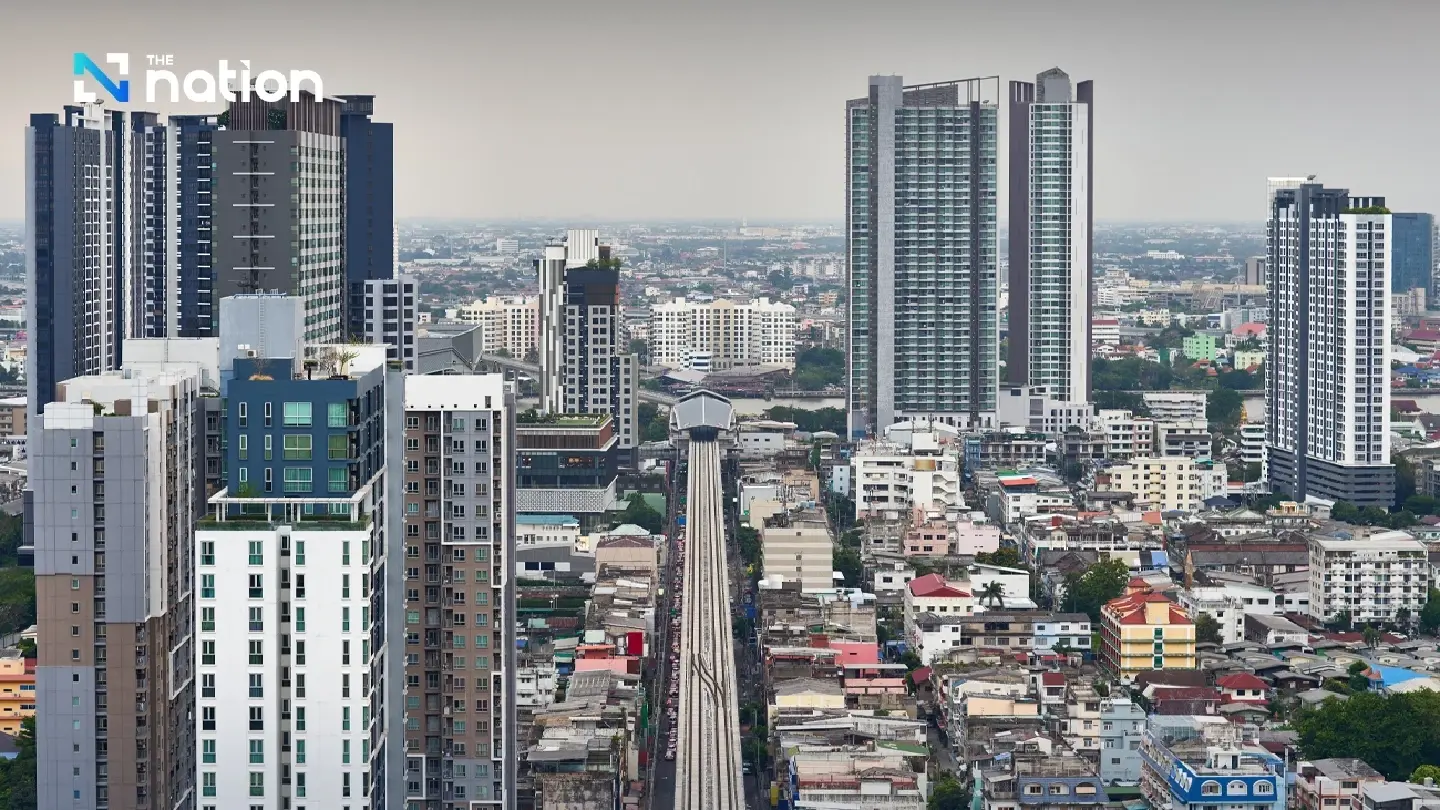


Foreign condominium transfers in Thailand fell 8.8% in the first half of 2026, while Russian transfer value rose 75.9%, led by Phuket and Chonburi.
- Russian condominium transfer value in Thailand surged by 75.9% year-on-year, reaching 3.603 billion baht.
- This increase occurred while the wider foreign condo market slowed, with the total value of transfers to all foreign nationals declining by 1.5%.
- The overall market slowdown was influenced by decreased demand from other key buyers, including a 27.7% drop in transfer value from Chinese nationals, the largest foreign group.
- The surge in Russian investment was heavily concentrated in tourism-linked locations such as Phuket and Chonburi.
Foreign condominium demand in Thailand weakened during the first half of 2026, but a sharp rise in purchases by Russian nationals suggests that the market is shifting rather than experiencing a uniform decline.
Data from the Real Estate Information Center (REIC) showed that condominium ownership transfers to foreign nationals totalled 6,533 units, down 8.8% from the same period last year.
The combined transfer value stood at 28.267 billion baht, a smaller year-on-year decline of 1.5%. Although the headline figures point to a slowdown, trends varied significantly among nationalities and locations.
China remains largest market but demand weakens
Chinese nationals remained the largest foreign buyer group by transfer value, recording condominium transfers worth 6.874 billion baht in the first six months of the year.
However, the figure fell 27.7% from the same period in 2025, showing that Chinese purchasing power had lost momentum despite China retaining its leading position.
Bangkok and Chonburi remained the principal destinations for Chinese buyers, supported by their residential, business and tourism markets.
Projects and locations that rely heavily on Chinese demand could face greater pressure if the slowdown continues. The key question for the market is therefore not whether Chinese buyers remain interested in Thailand, but when their purchasing activity might recover to previous levels.
Russian transfer value surges 75.9%
Russian demand moved firmly against the wider trend, with condominium transfer value climbing 75.9% year on year to 3.603 billion baht.
The increase was particularly notable against the 1.5% decline in the overall value of foreign condominium transfers.
Russian purchases were concentrated in Phuket and Chonburi, two markets with strong links to tourism. Phuket is a major international destination, while Chonburi includes Pattaya and areas connected to the Eastern Economic Corridor.
The surge indicates that Russian buyers are emerging as an increasingly important source of foreign demand, while also shifting more investment towards resort and tourism-led locations outside Bangkok.
Myanmar demand remains focused on Bangkok
Myanmar nationals recorded condominium transfers worth 2.457 billion baht during the first half of 2026, down 16.2% from the previous year.
Despite the decline, Myanmar remained one of the leading foreign markets by transfer value. Unlike Russian demand, which was concentrated in Phuket and Chonburi, purchases by Myanmar nationals remained focused largely on Bangkok.
The differing location patterns show that foreign buyers cannot be treated as a single market. Some groups are drawn mainly to tourism destinations, while others concentrate on Bangkok for residential, business or lifestyle purposes.
Foreign market shifts by nationality and location
Taken together, the figures suggest that Thailand is not simply losing foreign condominium buyers. Instead, the market is being reshaped by changes in nationality, purchasing power and preferred locations.
China remains the largest foreign market, but its transfer value has fallen sharply. Myanmar demand has also declined, while Russian transfer value has risen by almost 76%.
Bangkok and Chonburi continue to play central roles in the foreign-buyer market, but growing Russian demand in Phuket and Chonburi is making the geographical distribution of foreign investment more diverse.
For property developers, marketing condominiums broadly to “foreign buyers” may therefore no longer be sufficient. Nationality, purchasing purpose and preferred destination are becoming increasingly important when designing projects and sales strategies.
The first-half figures show that China continues to dominate the market, but Russia is emerging as one of its fastest-growing segments. Thailand’s foreign condominium market may therefore be entering a new period marked by changing buyers, shifting locations and a more fragmented pattern of demand.
