
Beyond Land Sales: How Amata Uses 'City Logic' to Defend Industrial Capital
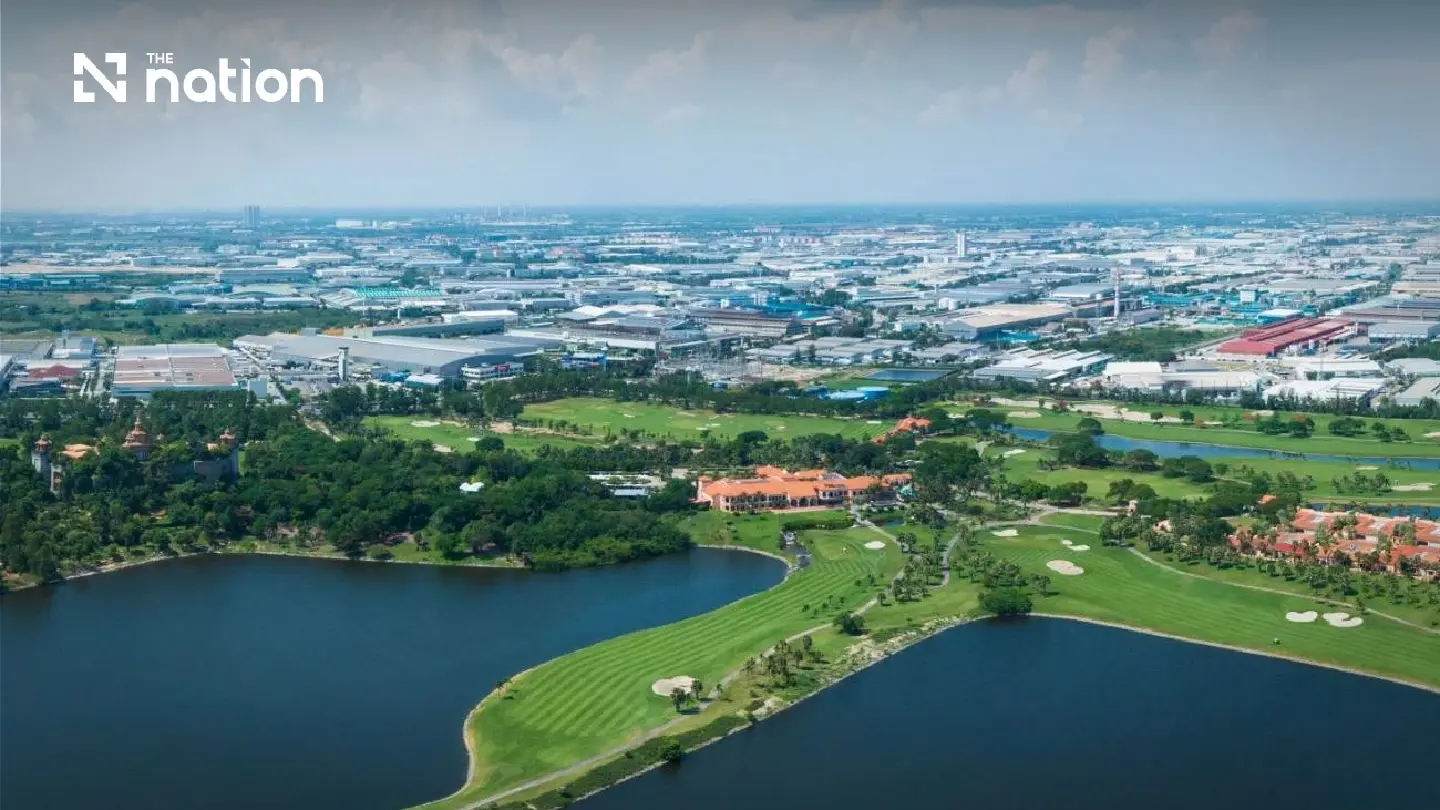


For Amata Corporation, sustainability isn't a department bolted onto industrial land — it's the founding logic of a self-sustaining city and the reason the company now measures success in decades, not deals
- Amata has shifted its business model from selling industrial land to developing and governing self-sustaining "cities," making sustainability its core operating logic rather than a corporate add-on.
- This "city logic" serves as a competitive strategy to attract and retain global investment by providing verifiable data on environmental performance, governance, and climate resilience, which tenants now demand.
- The company implements this strategy by investing in renewable energy, using IoT sensors for real-time infrastructure management like flood control, and leveraging AI to operate its large-scale estates more efficiently.
- Amata's approach also includes securing a "social licence to operate" from local communities and adapting to the values of a younger, climate-conscious workforce to ensure long-term viability.
For Amata Corporation, sustainability isn't a department bolted onto industrial land — it's the founding logic of a self-sustaining city and the reason the company now measures success in decades, not deals.
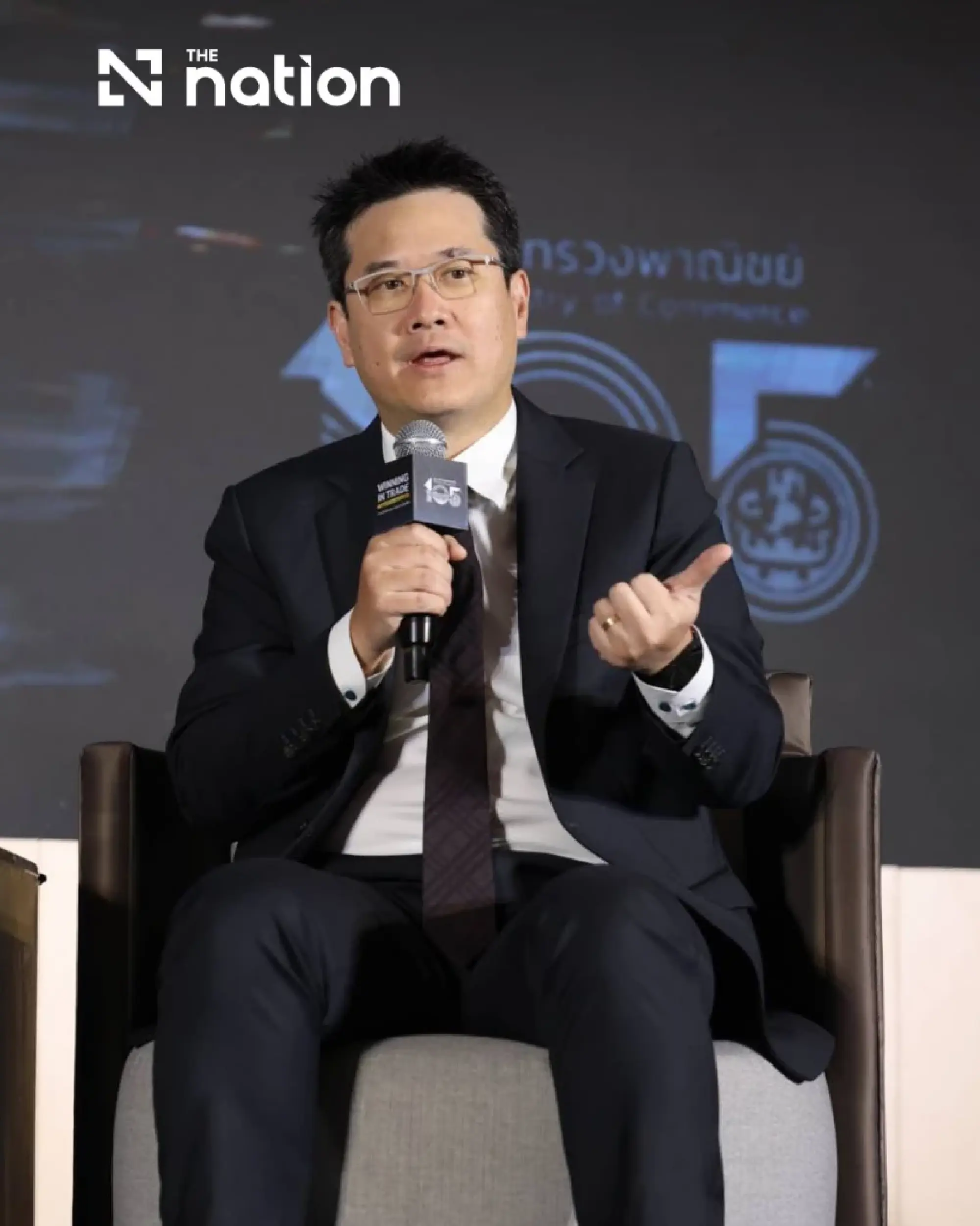
Satha Vanalabh-patana does not talk about sustainability the way most corporate executives do. There is no talk of "giving back", no glossy pledges, no earnest language borrowed from a CSR handbook.
Instead, the Chief Strategy Officer and Head of Sustainability at Amata Corporation PCL reaches for a blunter metaphor: the annual health check-up nobody wants to book.
"An organisation is like someone who feels fine and skips the doctor," he said. "You assume you're still strong because you've always been strong. Then one day the numbers come back, and you realise the risk was already there — you just weren't measuring it."

That analogy sits at the centre of how Amata, one of Southeast Asia's largest industrial estate developers, is repositioning sustainability – not as a compliance exercise bolted onto the balance sheet, but as the operating logic of the entire company. It is a distinction that matters more than it sounds.
As Thailand's industrial estates compete for footloose global capital against Vietnam, Indonesia and increasingly aggressive regional rivals, the ability to prove — in real time, with hard data — that a site is clean, resilient and well-governed is fast becoming the difference between winning an investment and losing one.
From Land Dealer to City Manager
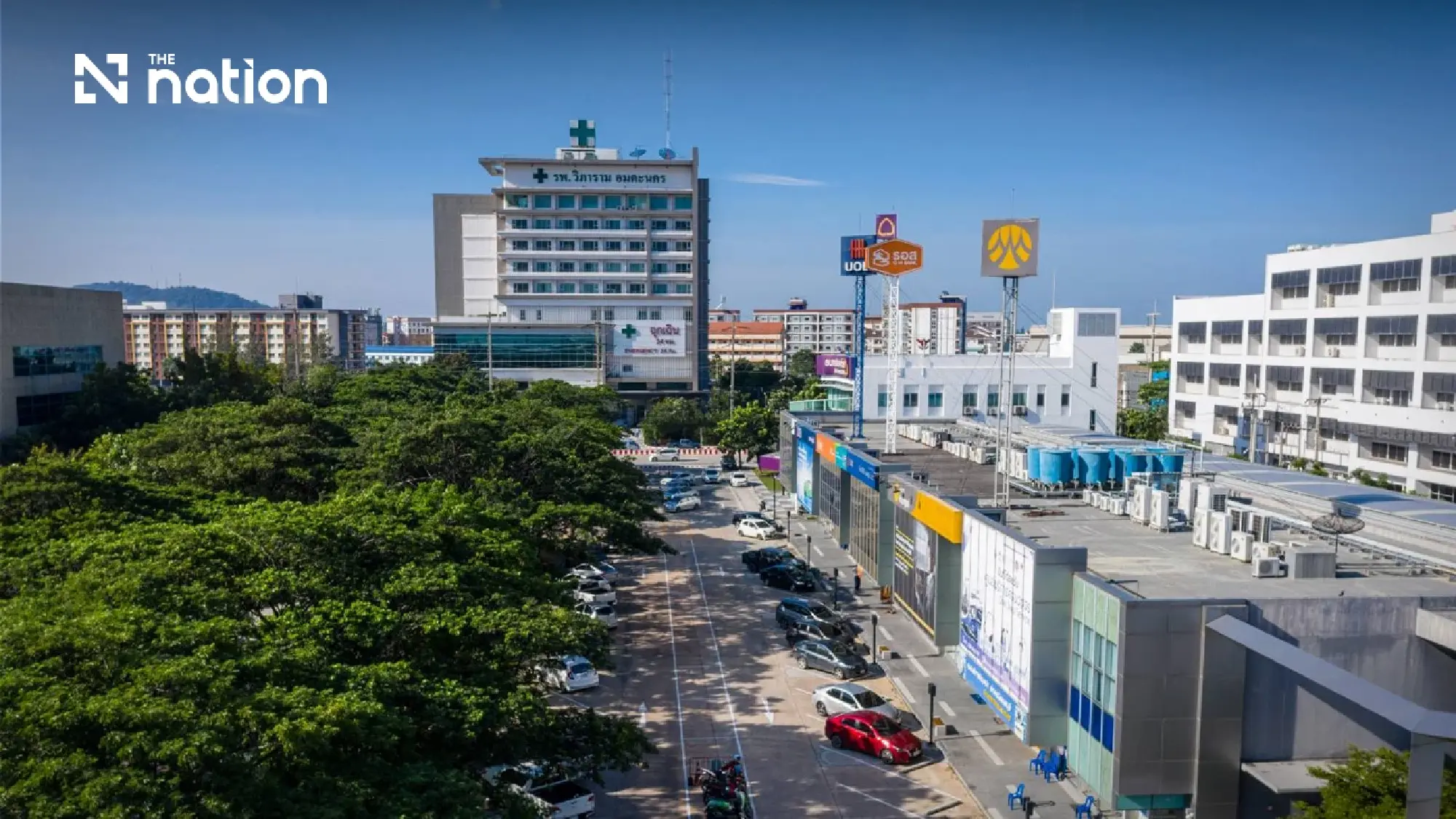
Thailand's industrial estate sector has always operated inside a regulatory scaffold built by the Industrial Estate Authority of Thailand (IEAT) and sweetened by incentives from the Board of Investment (BOI).
For decades, the pitch to investors was straightforward: serviced land, tax breaks, and proximity to ports. Sustainability, where it featured at all, was an add-on.
Satha argues that framing has quietly become obsolete. Amata's own account of its history — detailed in an internal strategic review — describes an evolution from what it calls a "Survival Phase" of organic, customer-driven problem-solving through the formalisation of an ESG framework between 2017 and 2018 to the creation of an independent Sustainability Department in 2019.
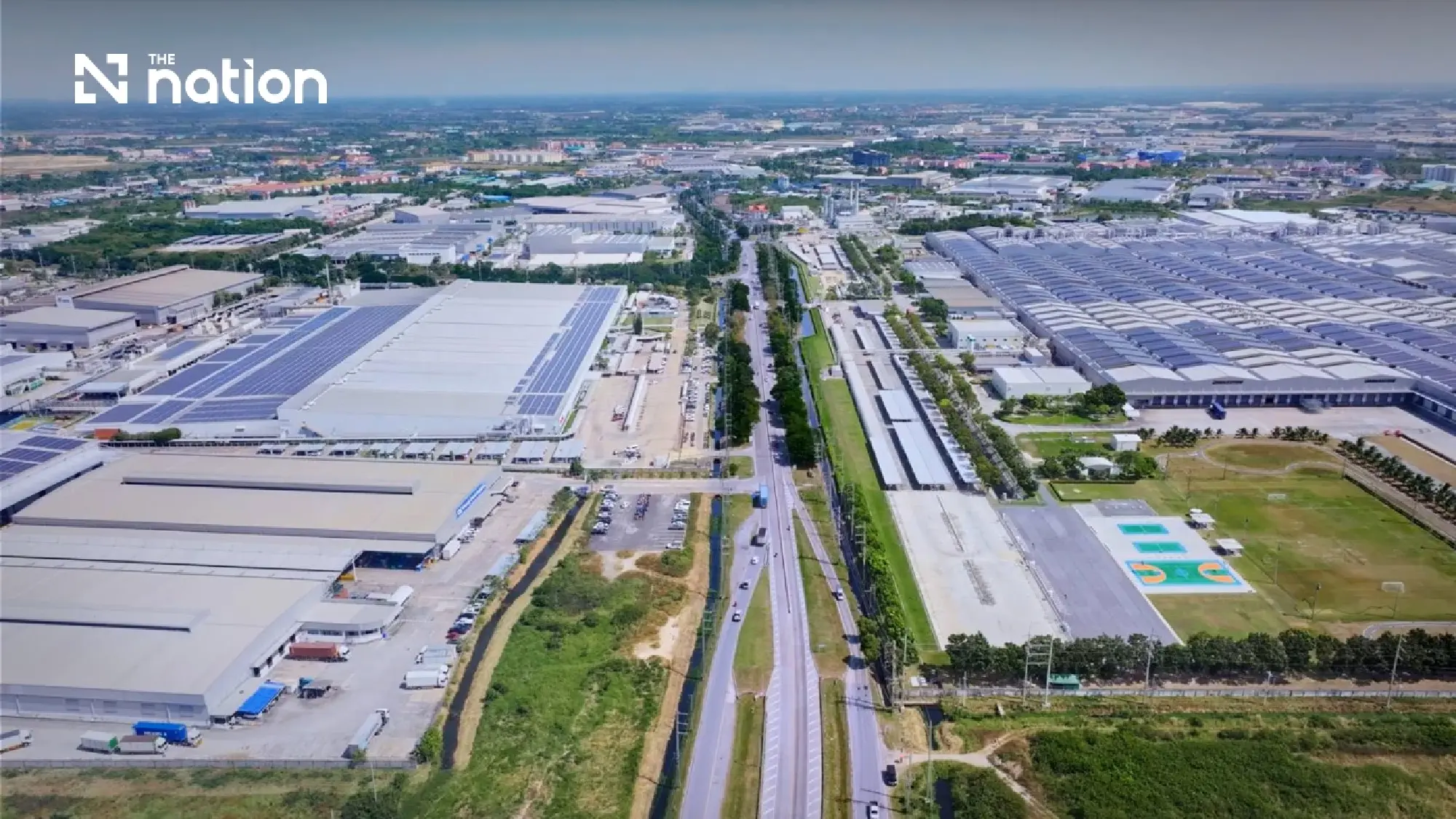
The shift, he says, reflects something structural: Amata no longer sees itself as selling plots of industrial land. It sees itself as governing cities.
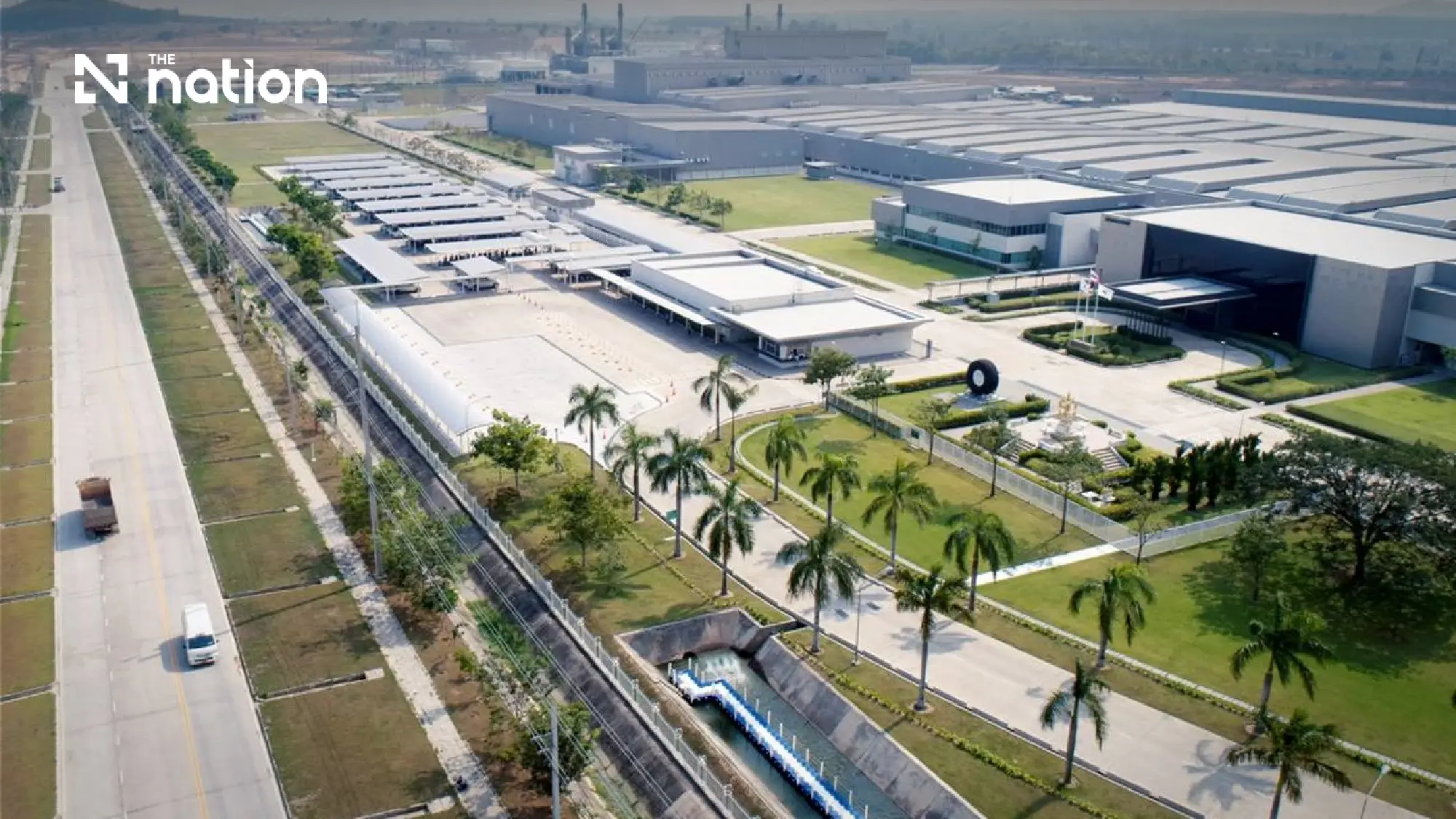
"We're not developing an industrial estate or an industrial park in the sense of selling land," he said. "We're building a city. And a city has to be able to sustain itself."
That city, in Amata's own reckoning, now has roughly 800,000 residents living around its Chonburi site alone, alongside factory tenants, international investors, workers and their families.
Satha calls the company a "new friend" moving into communities that were there long before the industrial estate arrived – a framing that recasts community consent not as philanthropy but as what he terms a "social licence to operate": a permit as consequential as anything issued by the IEAT.
The Investability Crisis
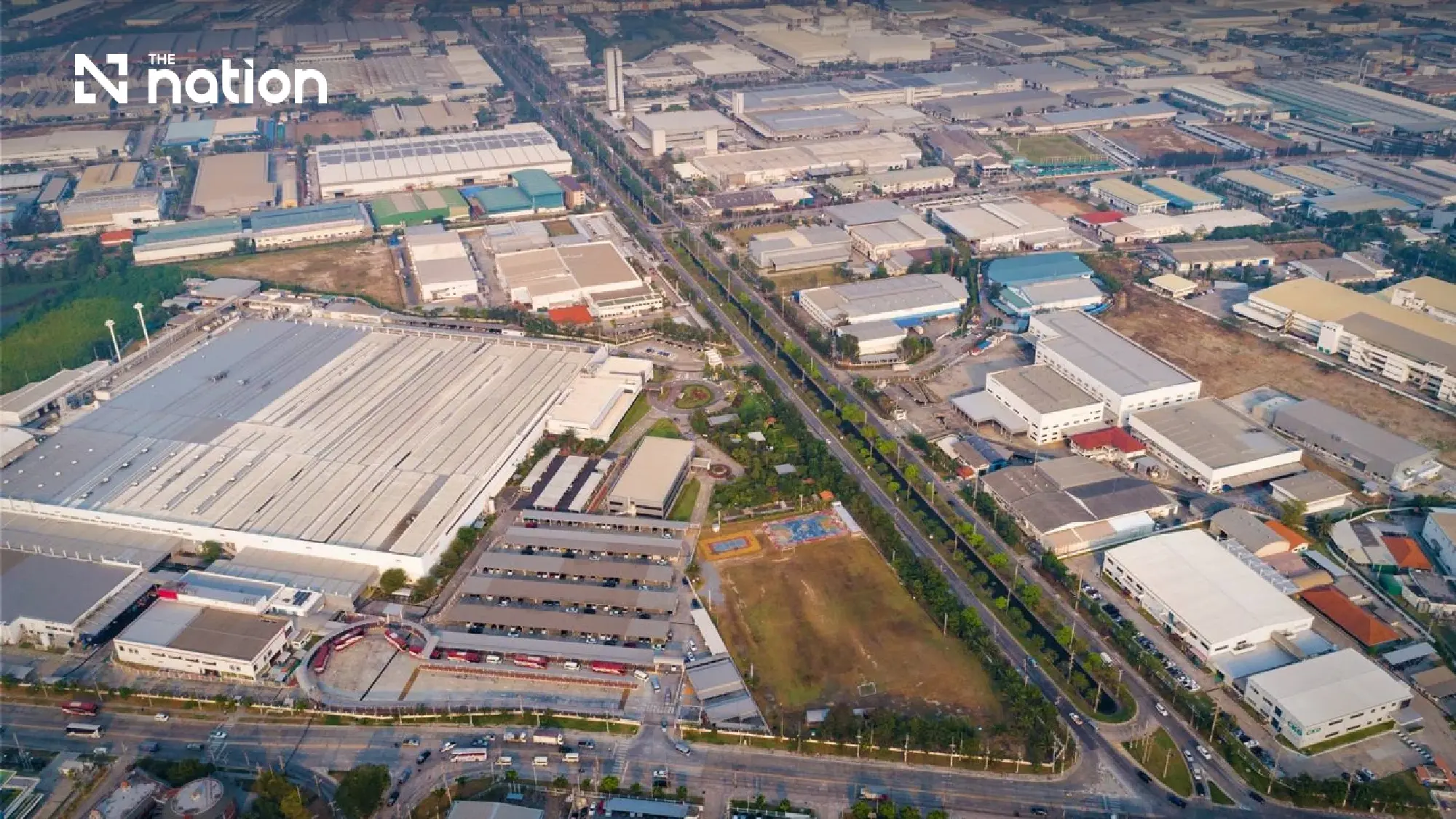
The sharpest strategic argument Satha makes is about data — and about what happens to companies that cannot supply it. He points to Apple, whose global suppliers face mounting pressure to prove carbon-neutral operations.
If a tenant on Amata's land cannot furnish verifiable figures on energy, water and waste, that tenant's supply chain becomes, in his words, "unsustainable" in the eyes of its own headquarters – regardless of how efficiently the factory actually runs.
"If my client's location can't answer that data question, the transaction itself becomes non-sustainable," he explained. "The client has to ask: do we need to move? Do we build our own systems? Either way, there's a cost, and it's a cost that erodes why they chose us in the first place."
This is the mechanism behind what the interview material frames as an "investability crisis" — a scenario in which physical land, however well-located, loses economic value the moment it cannot offer digital transparency.
For estates competing across ASEAN for the same pool of high-value manufacturers and data-centre operators, that transparency is no longer a differentiator. It is table stakes.
Concrete Limits: Solar, Wires and the Regulatory Lag
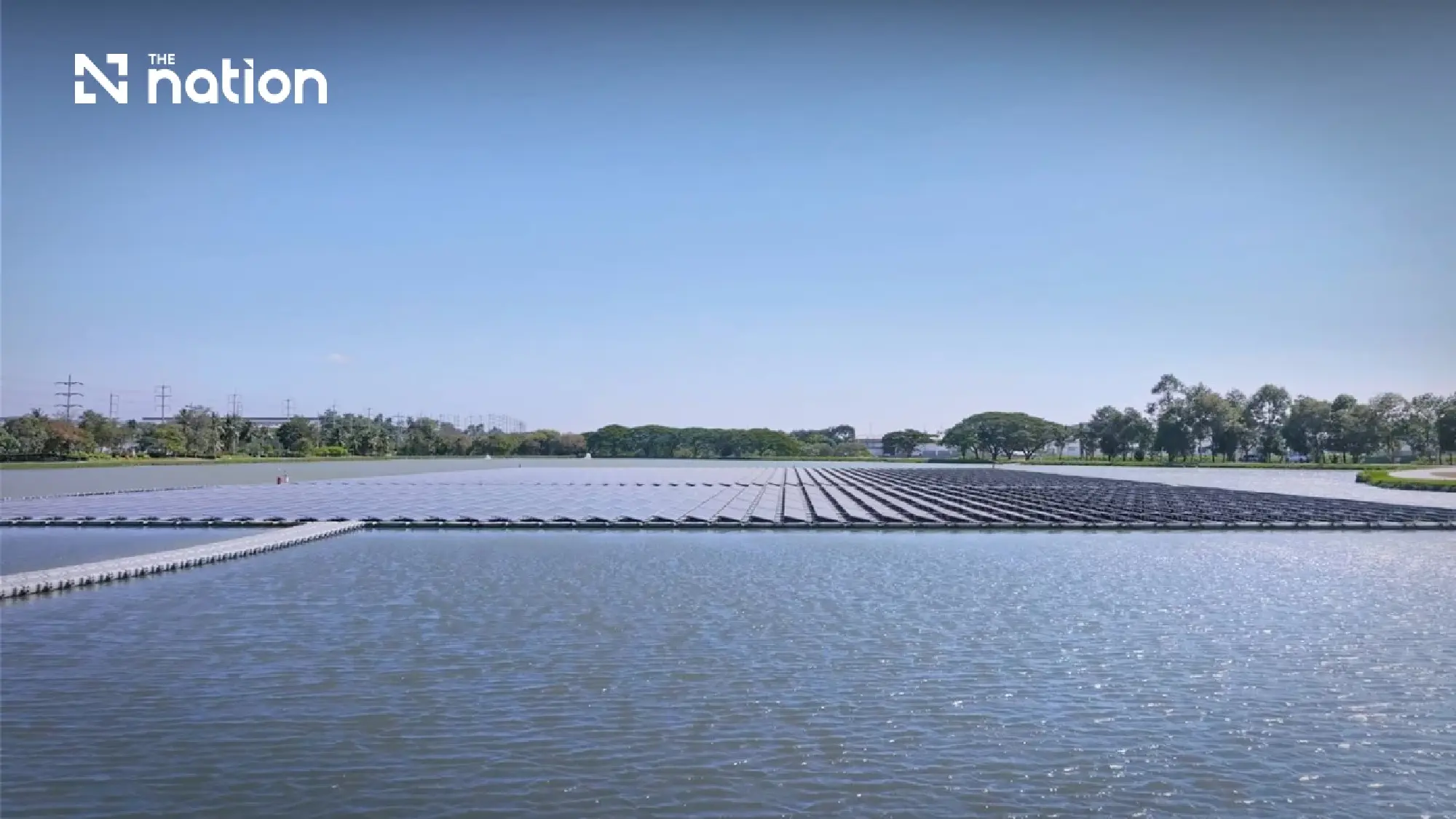
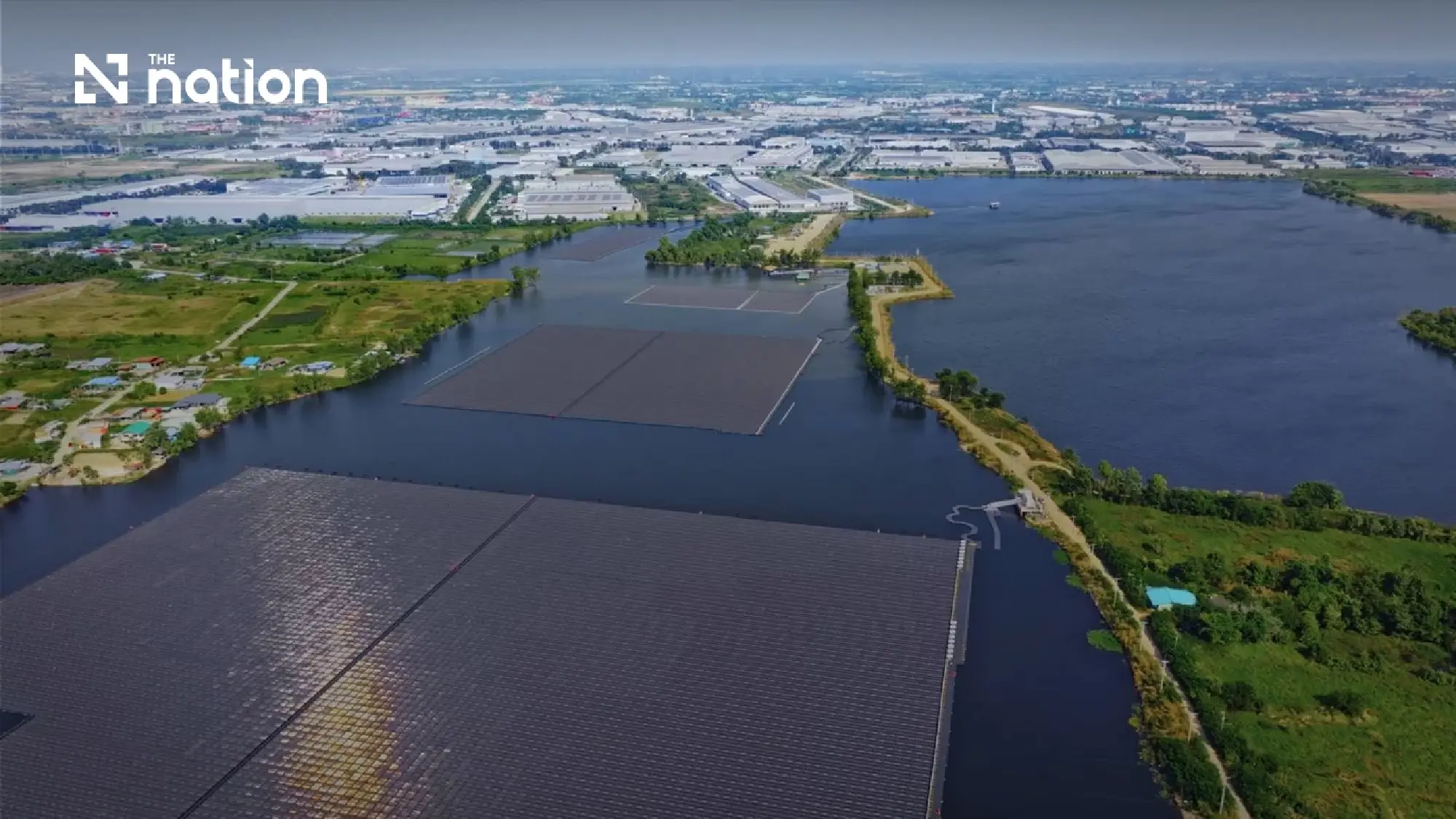
None of this is straightforward to deliver. Amata's renewable energy build-out illustrates the gap between ambition and physics. A rooftop-first solar strategy ran out of roof; the company pivoted to floating solar on its reservoirs instead, commissioning a 19.5-megawatt array feeding the SPP grid and a further 42.5-megawatt project built specifically to serve data centre tenants chasing net-zero targets.
Even so, renewables still supply under 10% of total energy demand across the estates, constrained by a hard geometric limit — roughly six to seven rai of land per megawatt of solar capacity — that leaves little room to scale within existing green space.
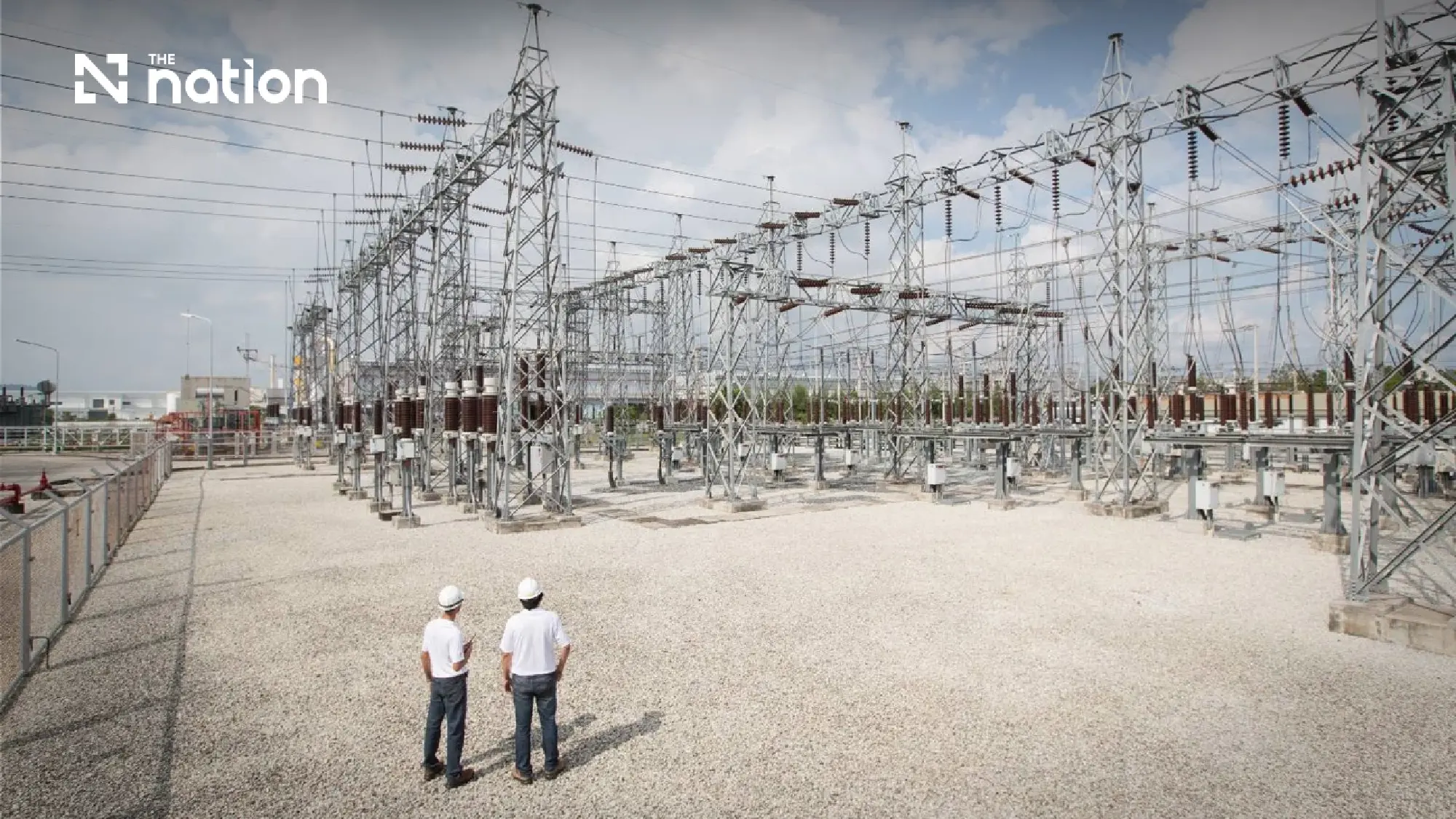
Policy compounds the problem. Amata's tenants often require separate power infrastructure for SPP suppliers and the state provincial electricity authority, duplicating cabling and driving up costs that Satha describes as friction the system shouldn't be generating.
"Technology moves fast; the rules that govern it don't," he said, describing a widening "time gap" between what climate-adapted infrastructure requires and what current licensing frameworks allow.
Infrastructure built decades ago carries its own version of the same problem. Roads engineered 40 years ago in Amata City Chonburi were designed using rainfall data reflecting conditions from 60 years back — a legacy that has held up remarkably well, he notes, but was never built for today's "rain bombs".
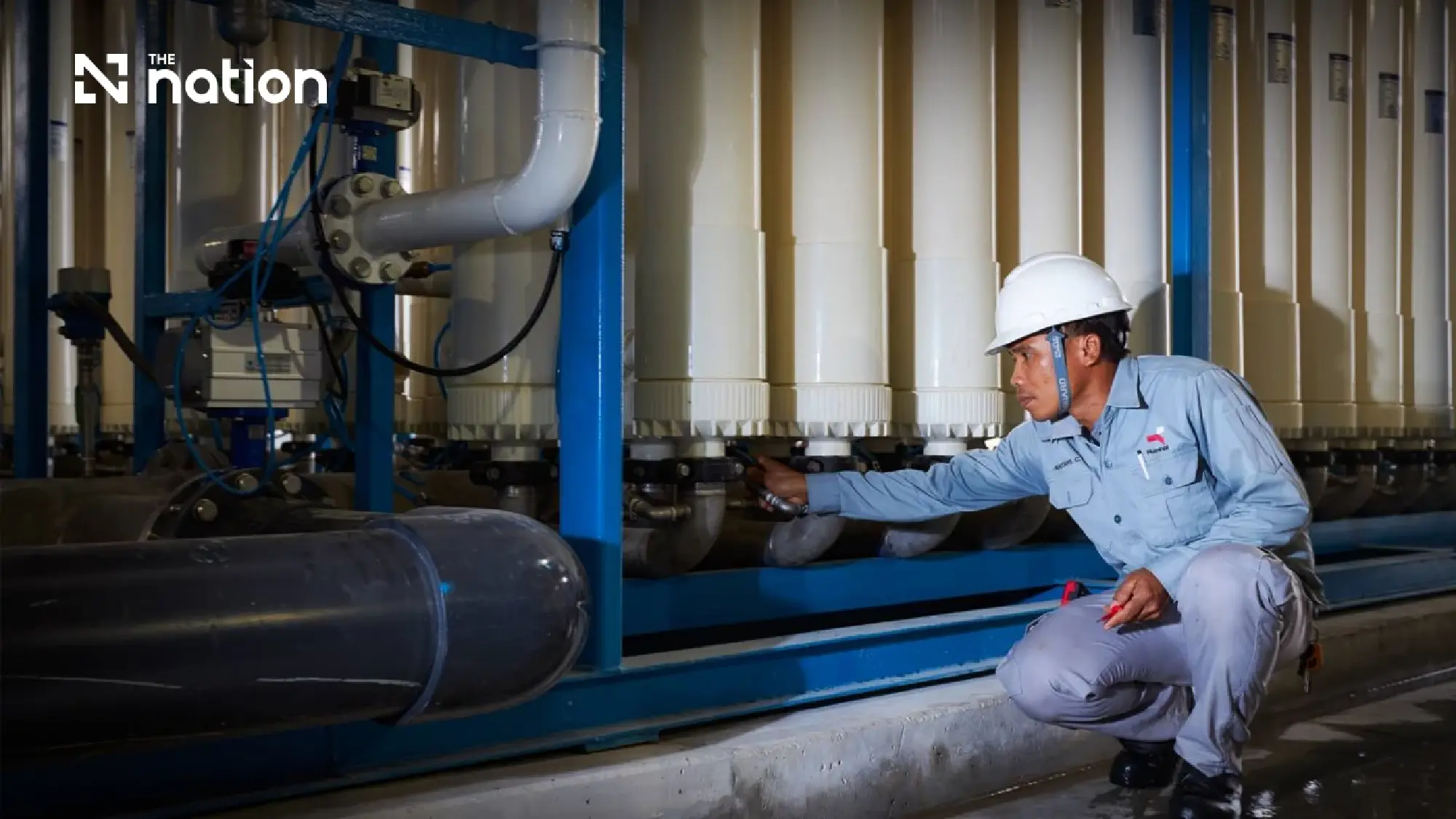
In response, Amata has deployed IoT sensors for hyper-local weather forecasting across Rayong and Chonburi, working to a specific operational threshold: floodwater must not exceed 10 centimetres on road surfaces for more than 20 to 30 minutes. It is a granular, almost unglamorous metric — but it is precisely the kind of real-time proof point that global tenants now expect.
AI as Amplifier, Not Oracle
Satha is careful to draw a line around what artificial intelligence actually does inside Amata's operations. It does not, in his account, replace judgement. It compresses the time between spotting a problem and acting on it.
"AI doesn't think for us," he said. "It helps us think wider and faster – once we've given it the right problem to solve."
That framing matters for an organisation managing fire services, traffic control and round-the-clock tenant consultation across a footprint the size of a small city.
Digital transformation, in his account, functions as connective tissue between departments that would otherwise operate in isolation – translating data from one team's language into another's, surfacing patterns human staff would take too long to find manually.
The Generational Reckoning
The final pressure point is the workforce, not infrastructure. Satha is blunt about the scale of change coming with Gen Z and Gen Alpha employees — cohorts he says process digital information roughly five times faster than their predecessors and have been taught about climate impact "since kindergarten".
Their expectations, he argues, cannot be managed through the top-down structures that built the company.
"You can't hand this generation a directive and expect commitment," he said. "They need to see the purpose and share the value — or the system just won't stick."
His answer is not a new hierarchy but a philosophy Amata borrows from Thai concepts of the "middle ground" — balancing GDP growth against social and environmental cost rather than optimising for either alone.
It is, fittingly, the same logic underpinning the company's name.
Amata means "immortal" — and Satha's argument, stripped of its corporate framing, is essentially this: an industrial city that cannot balance growth against the community and ecosystem sustaining it will not be immortal. It will simply run out of road.
That tension — between scale and restraint, between global capital's appetite for growth and the finite land, water and social patience of the communities hosting it — is, in the end, the whole argument. A city cannot be immortal if it grows faster than it can sustain itself.
This is the fourth article in a series exploring Thailand's sustainability transition ahead of a roundtable of business and policy leaders, convening in late September to discuss how the country can turn climate pressure into competitive advantage.
