
Take Toys Turns Song Wat Into a Launchpad for Tuta's Global Journey
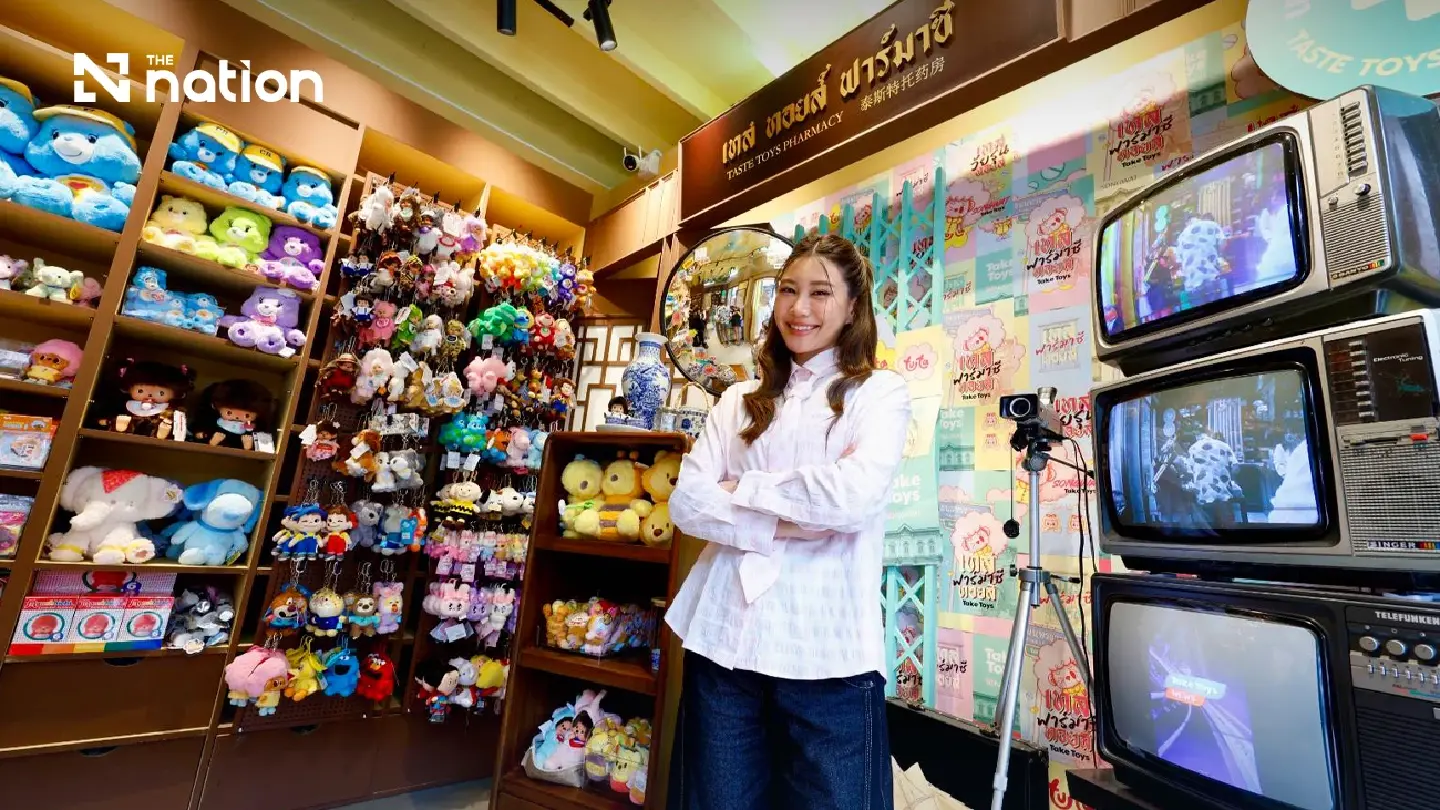


At a Song Wat pop-up styled like an apothecary, Take Toys CEO Aksorn Chantarojvanich unveils Tuta and a roadmap to take Thai IP abroad
- Thai toy distributor Take Toys has launched its first original character, Tuta, through a temporary, themed pop-up store in Bangkok's Song Wat district.
- The initiative marks a strategic shift for the company from primarily distributing international toy brands in Thailand to creating and exporting its own Thai intellectual property globally.
- The Song Wat pop-up serves as a three-month trial to test Tuta's appeal with both local and international audiences before committing to a wider global expansion.
- The long-term global strategy for Tuta includes an animated series planned for 2026, fashion collaborations, and a diverse range of merchandise to build the character's international presence.
At a Song Wat pop-up styled like an apothecary, Take Toys CEO Aksorn Chantarojvanich unveils Tuta and a roadmap to take Thai IP abroad.
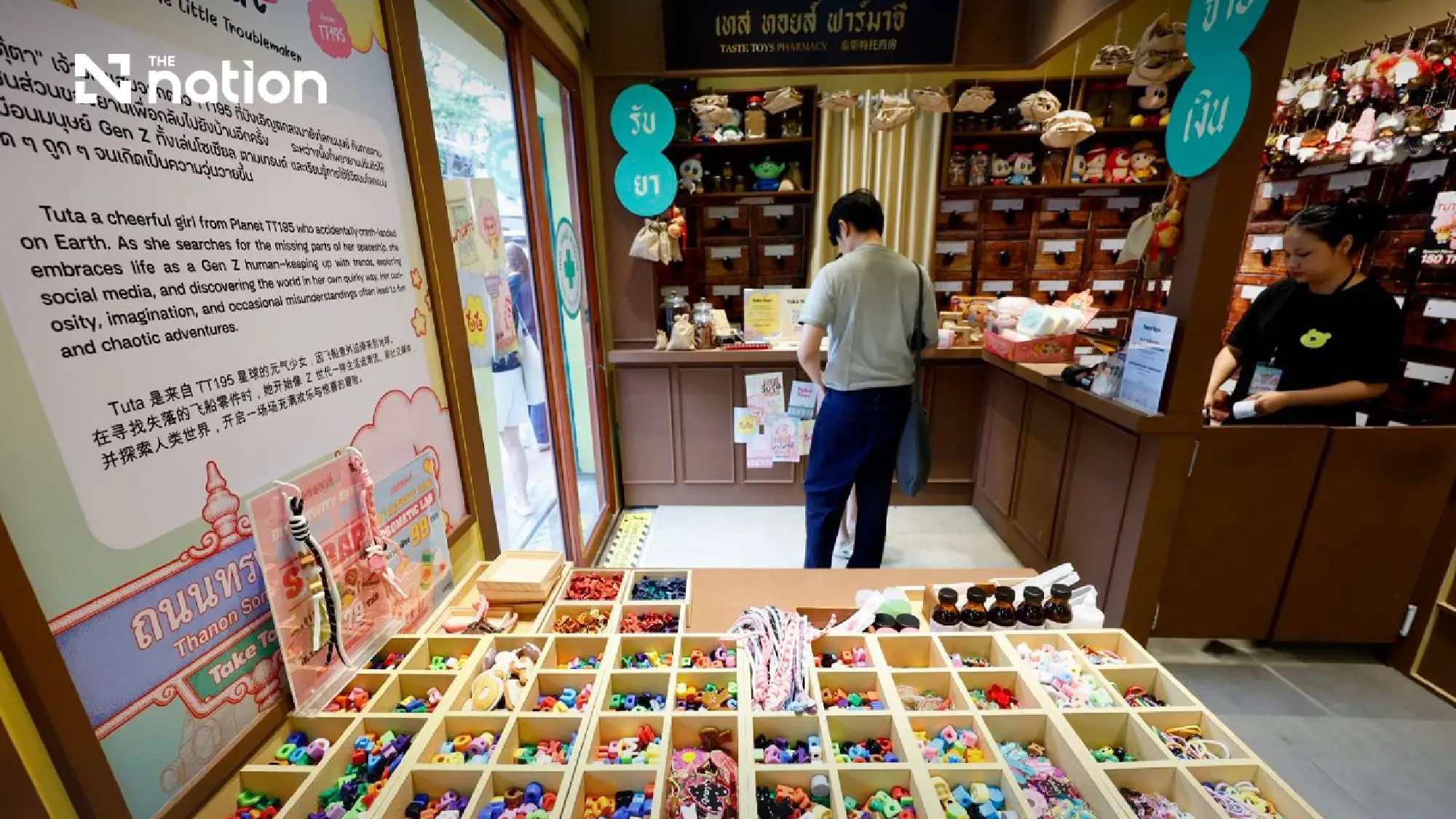
Step through the pastel-wood doorway on Song Wat Road and the first thing that hits you is the smell: aromatic herbs, somewhere between traditional Chinese medicine and Thai-Indian spice, drifting through a shophouse that could pass for a century-old pharmacy.
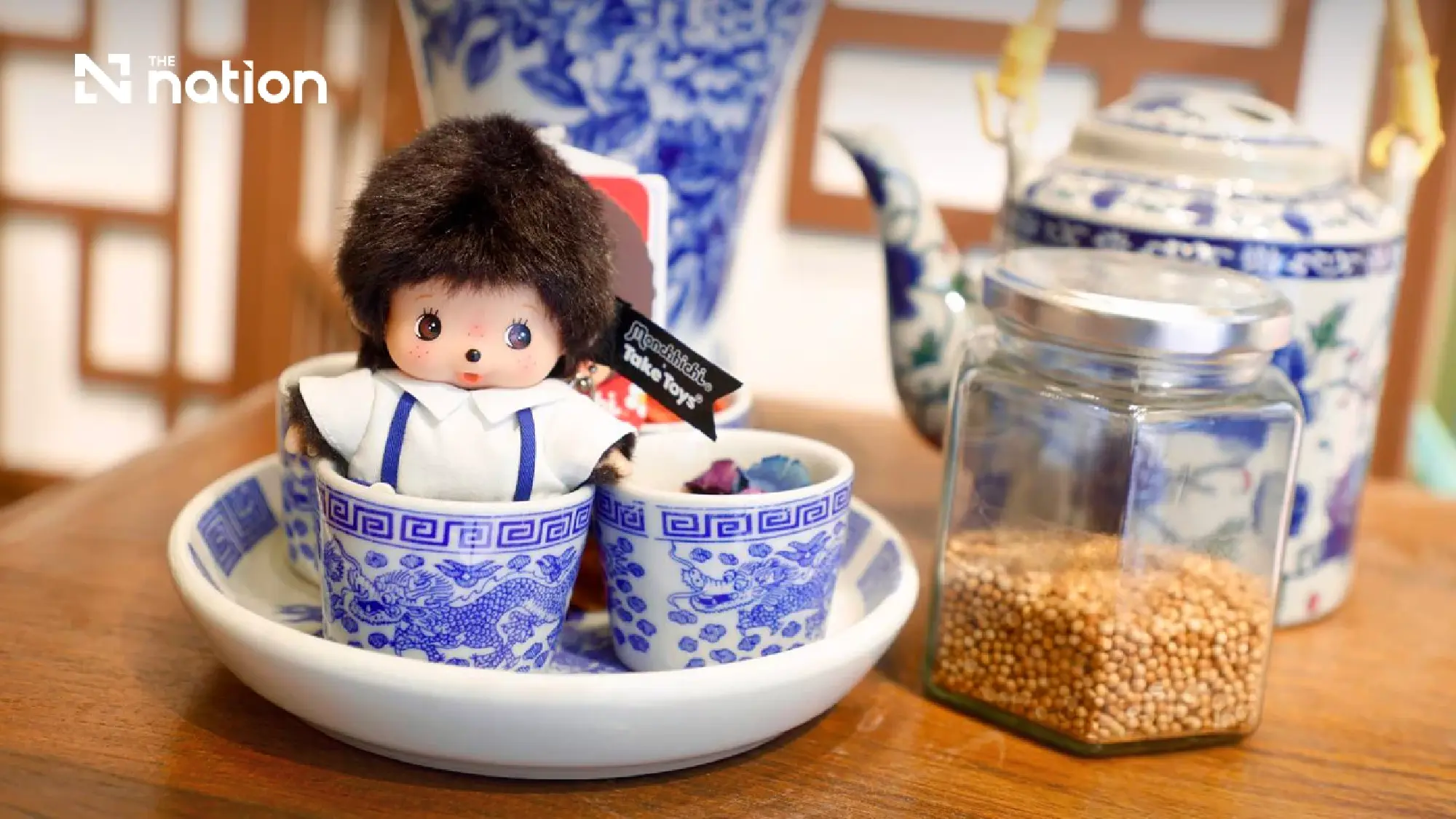
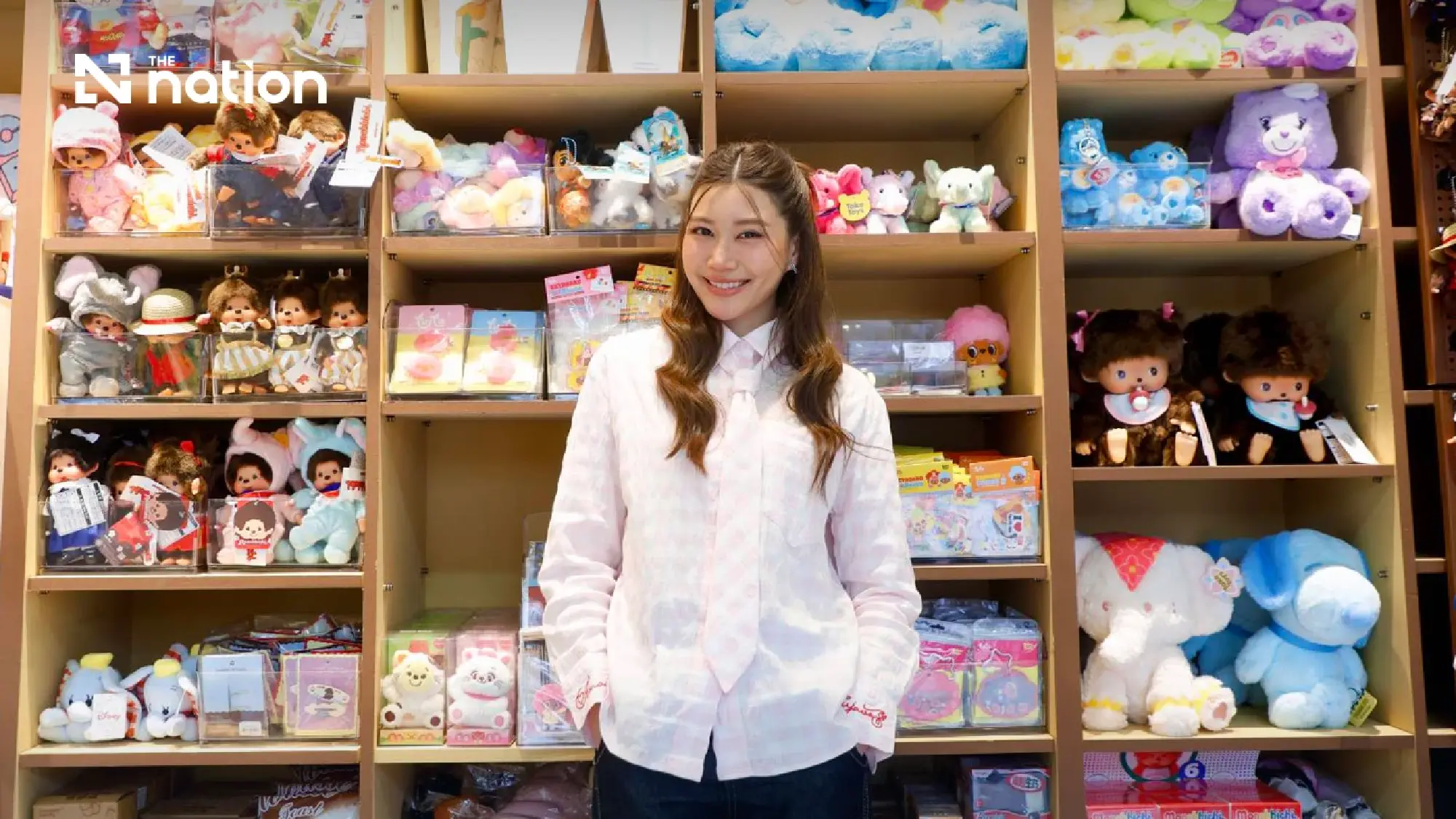
Wooden apothecary drawers line the walls, antique decorations, paper-wrapped medicine packets, and a contemporary abacus rest casually on the counter, and everywhere you look, plush characters peer back — Disney and Pixar favourites, Care Bears, Monchhichi, Peko-chan, Peanuts — jostling for space alongside a newcomer with wide eyes and a mischievous grin.
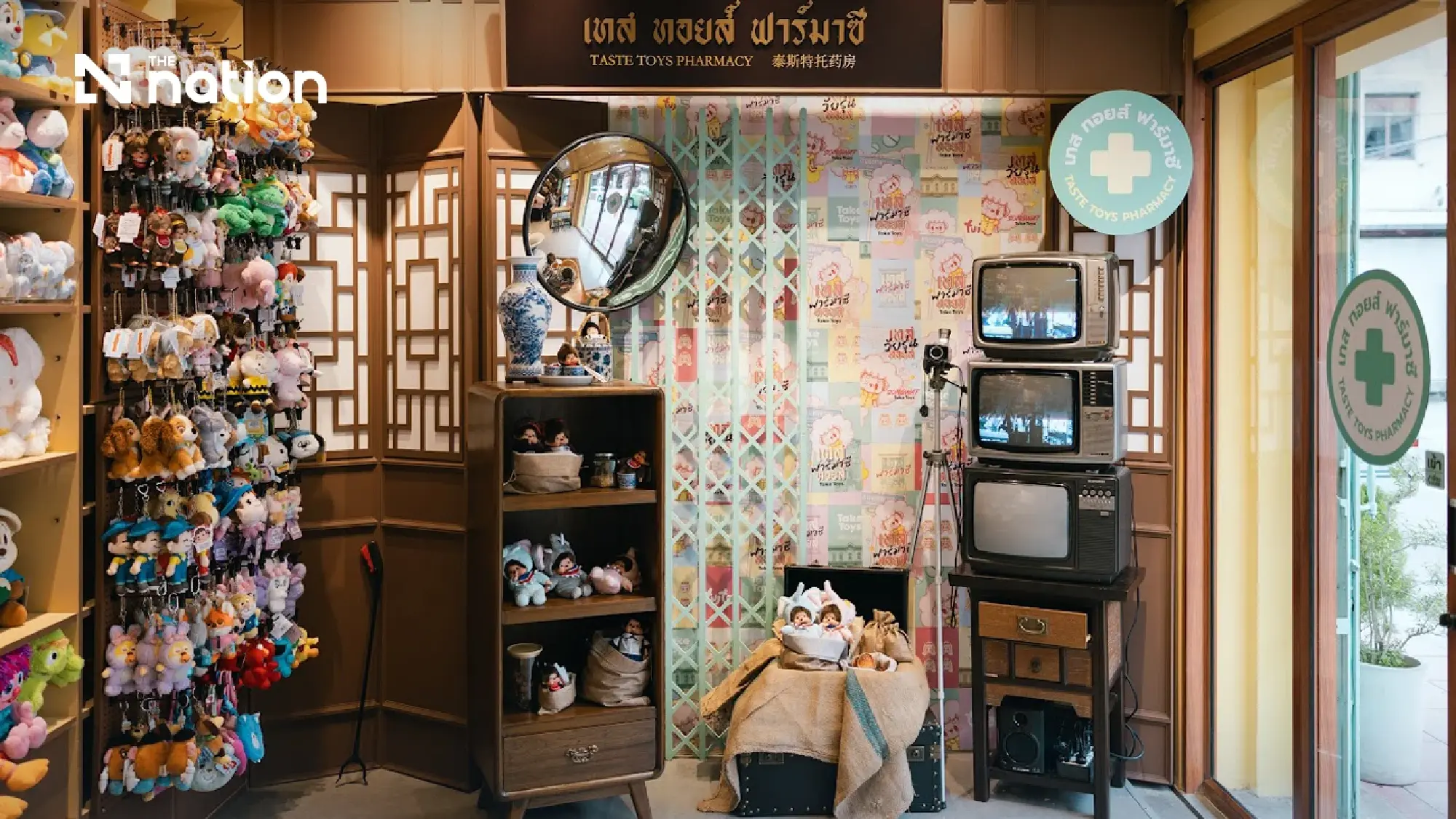
This is Taste Toys Pharmacy, the pop-up store that Thai art toy distributor Take Toys has built to introduce Tuta, its first fully original character, to the world. In this cosy shophouse, the merchandise doesn't just sell a toy – it sells relief. A little joy, prescribed.
"It's like a medicine shop for the soul," is how the brand pitches it, and standing among the shelves, the metaphor is hard to argue with. But behind the whimsical theming lies a far more calculated ambition: to build Thailand's first homegrown character capable of competing on the same shelf as the global names it currently distributes.
From Distributor to Creator
Take Toys has spent years as one of Thailand's leading names in licensed toy distribution, with products sold through major department stores, including Central, The Mall and Robinson, as well as mass retailers such as Big C, Lotus's and 7-Eleven.
Its multi-brand retail arm, Seek 'N Keep, now runs nine branches nationwide, with plans to reach ten or eleven by the end of the year, alongside a new community mall concept in Song Wat dedicated entirely to Thai-owned brands.
That distribution muscle is precisely why Tuta matters. Having spent years bringing international intellectual property into Thailand, Take Toys is now attempting the reverse: exporting a Thai character to the world.
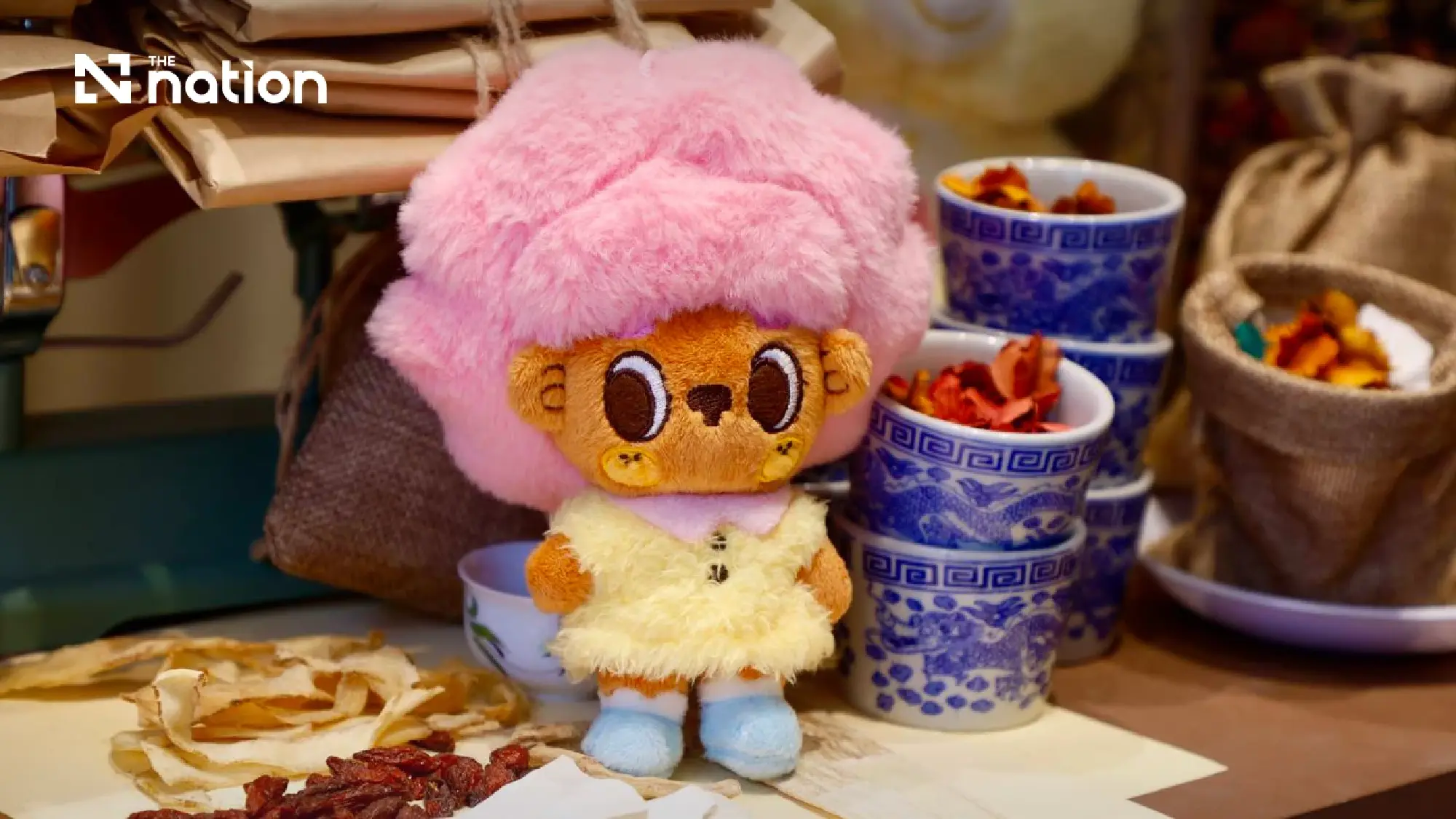
Tuta — a self-described "little trouble-maker" from the fictional planet TT195 — crash-lands on Earth and tries to blend in as a Bangkok Gen Z teenager, picking up slang and internet memes along the way, with mixed and often comic results.
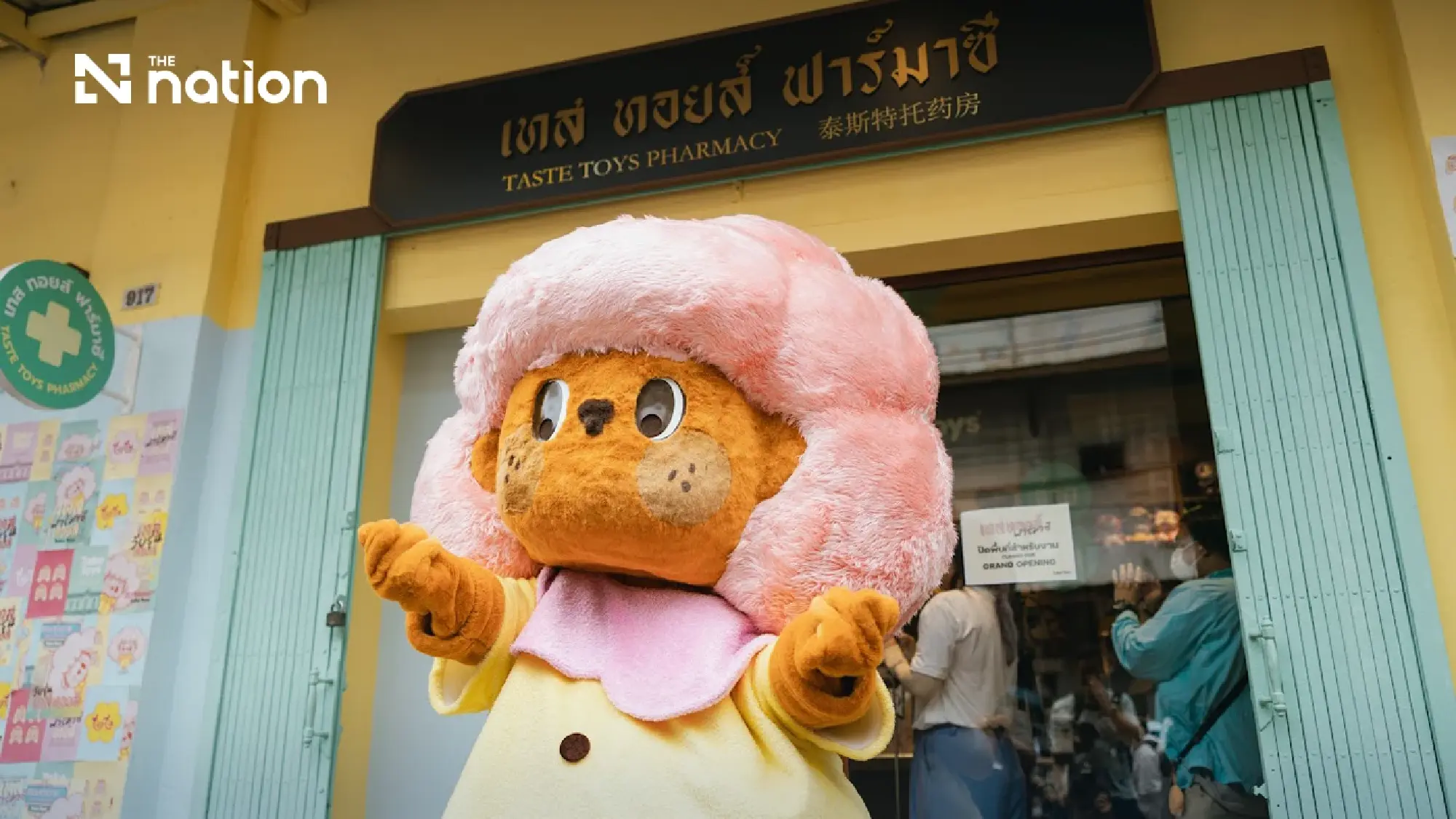
The character took the design team at Take Toys more than a year to develop, and the brand chose Song Wat as her debut stage deliberately.
"Today's young people aren't just looking for products," said Aksorn Chantarojvanich, Take Toys' CEO, in an exclusive interview with The Nation. "They're looking for small things that bring a smile and a little happiness to each day. Tuta was born from our intention to create a character people can genuinely connect with — one that represents the outlook and lifestyle of a generation growing up alongside all of us."
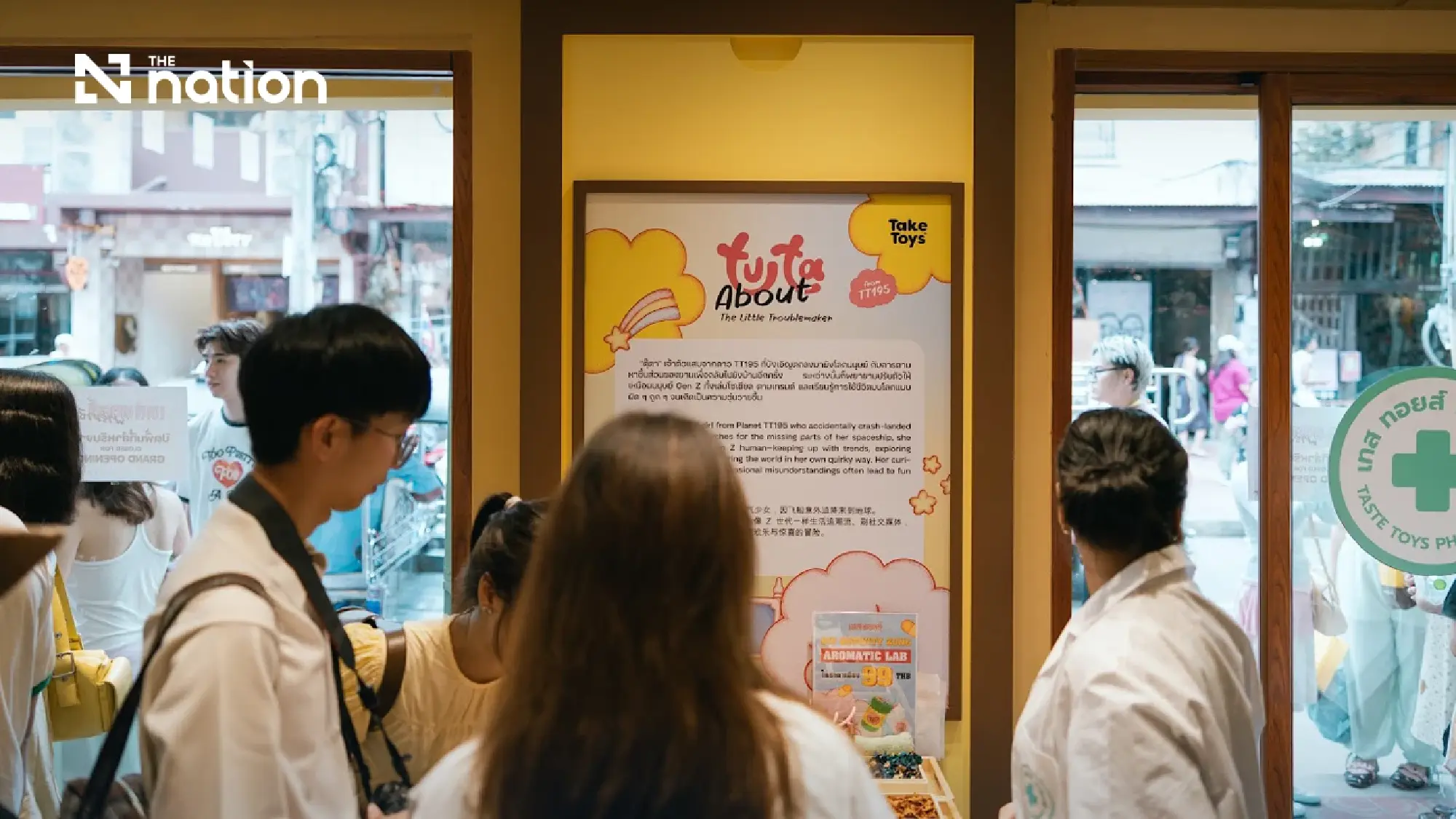
Song Wat itself is doing narrative work here. The historic riverside district — a meeting point of Thai, Chinese and Indian heritage, and increasingly a magnet for Gen Z locals and international visitors drawn to its old shophouse architecture and new wave of independent cafés and stores — mirrors Tuta's own story of a stranger learning to belong.
It is not, Take Toys is at pains to stress, a flagship store. It is a three-month trial, running through September, designed to gather feedback from Thai and overseas customers alike before any bigger commitment is made.
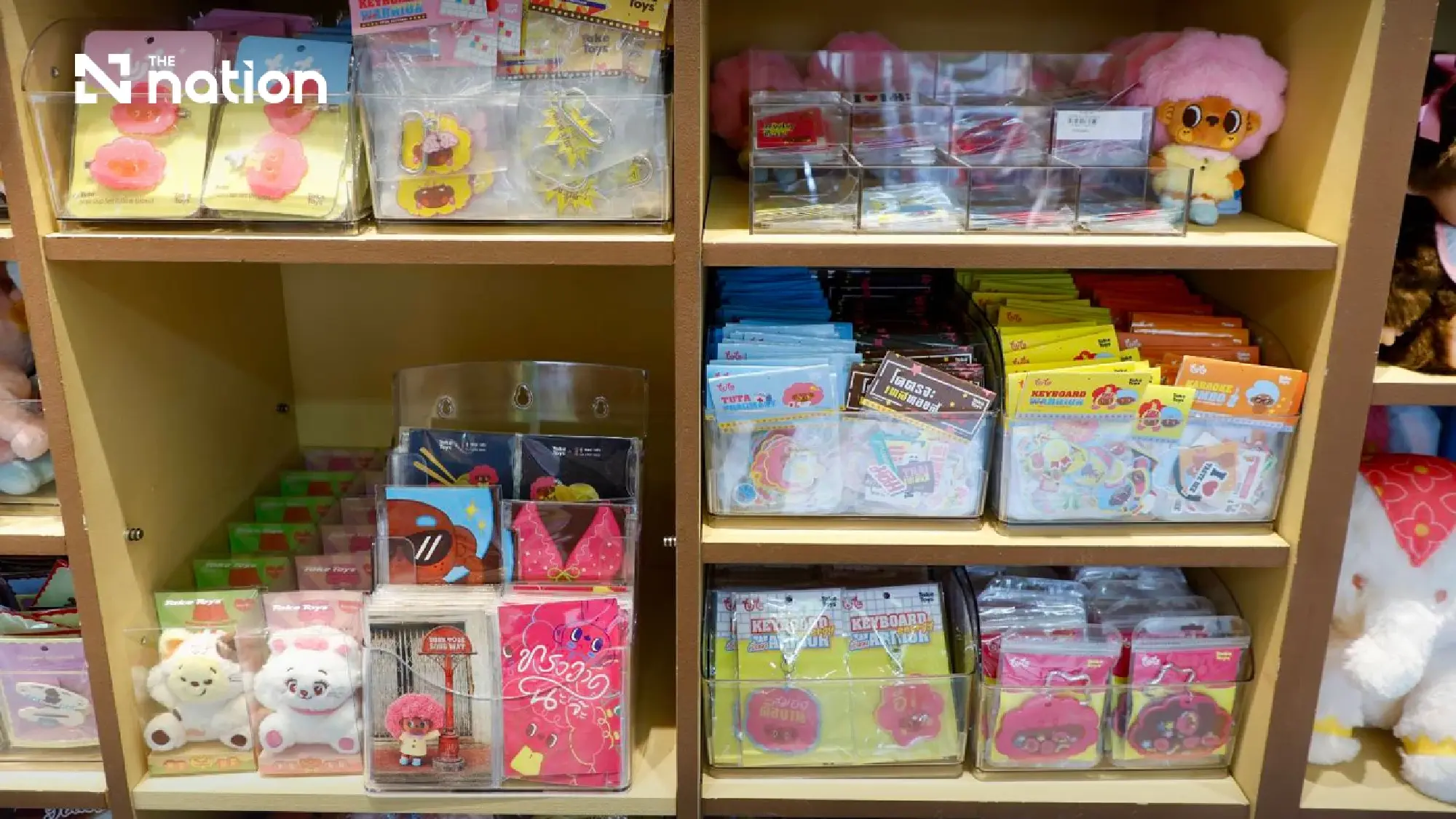
Around the core product line — keychains, gift items, stickers, postcards — Take Toys has layered in soft-power activations, including DIY workshops where visitors decorate their own herbal inhaler cases and keyrings, reinterpreting yaa dom, Thailand's pocket-sized herbal inhaler, for a younger, more design-literate audience.
A tie-up with Bangkok Bank, which lets customers redeem loyalty points for Tuta merchandise, has also helped push the character in front of a wider, more mainstream customer base.
The Numbers Behind the Ambition
The timing is not accidental. Thailand's toy market generated roughly US$456 million in revenue in 2024 and is forecast to climb toward US$780 million by 2033, with art toys and adult collectibles increasingly cited as a growth driver as demand shifts from children's play items toward design-led, adult-orientated collecting.
The country is also a notable regional trading hub for the category: Thailand's art toy imports reached roughly US$128 million in 2023, up nearly 12 per cent on the previous year, while its own art toy exports topped US$250 million in the same year — evidence that Thai-made and Thai-marketed products already travel further than many assume.
Globally, the picture is one of a category maturing fast, even if analysts disagree sharply on its exact size — estimates for 2026 range from roughly US$7 billion to well over US$40 billion, depending on how narrowly "art toy" is defined.
What analysts do agree on is direction: double-digit annual growth is expected through the early 2030s, powered by fan communities, artist collaborations and social media virality.
Asia Pacific, in particular, is tipped to be the fastest-growing region for the category over the next several years, as rising disposable incomes and a booming "kidult" collecting culture push local buyers — and local brands — further onto the global stage.
For a company like Take Toys, that combination of a maturing domestic base and an accelerating regional market is precisely the opening it needs.
Rather than treating Song Wat as an endpoint, Aksorn frames it as market research with a shopfront: a way to test whether Tuta's humour and design language resonate beyond Thai audiences before scaling the concept abroad, potentially with the Taste Toys Pharmacy theme itself reinterpreted for other cities and cultures.
That international instinct also shapes how the brand talks about competition at home.
Take Toys does not see fellow Thai IP such as the buttery-soft bear character Butter Bear as a rival but as a fellow traveller — both brands, the company argues, are ultimately building the same thing: international recognition for Thai-designed characters, with overlapping fan bases likely to support several homegrown IPs at once rather than picking just one.
What Comes Next
The product roadmap suggests Take Toys is thinking well beyond keychains. Plans are already in motion to extend Tuta across hard toys, blind boxes, fashion collaborations and digital merchandise, alongside partnerships with other Thai brands.
An animated series is also in development, expected to debut in early 2026, which would give the character a storytelling vehicle far bigger than any single pop-up.
For overseas trade partners and tourists alike, the pitch is deliberately simple: content built on visuals and universal humour rather than language, so that Tuta's story of an awkward outsider finding her feet travels as easily as the character herself.
Judging by the early reaction on Song Wat — passers-by greeting the mascot by name, trade partners requesting introductions — Take Toys believes it has found a formula worth exporting.
Taste Toys Pharmacy is open at Song Wat through September. Whether Tuta ultimately becomes Thailand's answer to the world's best-loved collectible characters remains to be seen — but for a company built on bringing global IP home, teaching a homegrown one to travel abroad marks a new chapter entirely.
