
Trump restarts Iran hostilities and demands 20% Hormuz fee


Trump has formally notified Congress of renewed hostilities with Iran while announcing a US blockade and a proposed 20% charge on goods crossing the Strait of Hormuz
- President Trump has formally notified Congress that military hostilities with Iran have resumed, accompanied by a renewed blockade of Iranian shipping.
- The administration is demanding a 20% fee on all goods transported through the Strait of Hormuz as compensation for the U.S. providing security for the waterway.
- The announcement has caused an immediate 5% rise in oil prices due to concerns about shipping disruptions and has raised legal questions over the fee's implementation.
- By notifying Congress of "renewed" hostilities, the administration is potentially resetting the 60-day clock for military action without congressional approval under the War Powers Resolution.
US President Donald Trump has formally notified Congress that hostilities with Iran have resumed, while announcing a renewed blockade of Iranian shipping and demanding compensation for American protection of the Strait of Hormuz.
The two moves mark a sharp escalation in tensions between Washington and Tehran and could have far-reaching consequences for international shipping, global energy prices and the continuing debate over the US president’s authority to wage war without congressional approval.
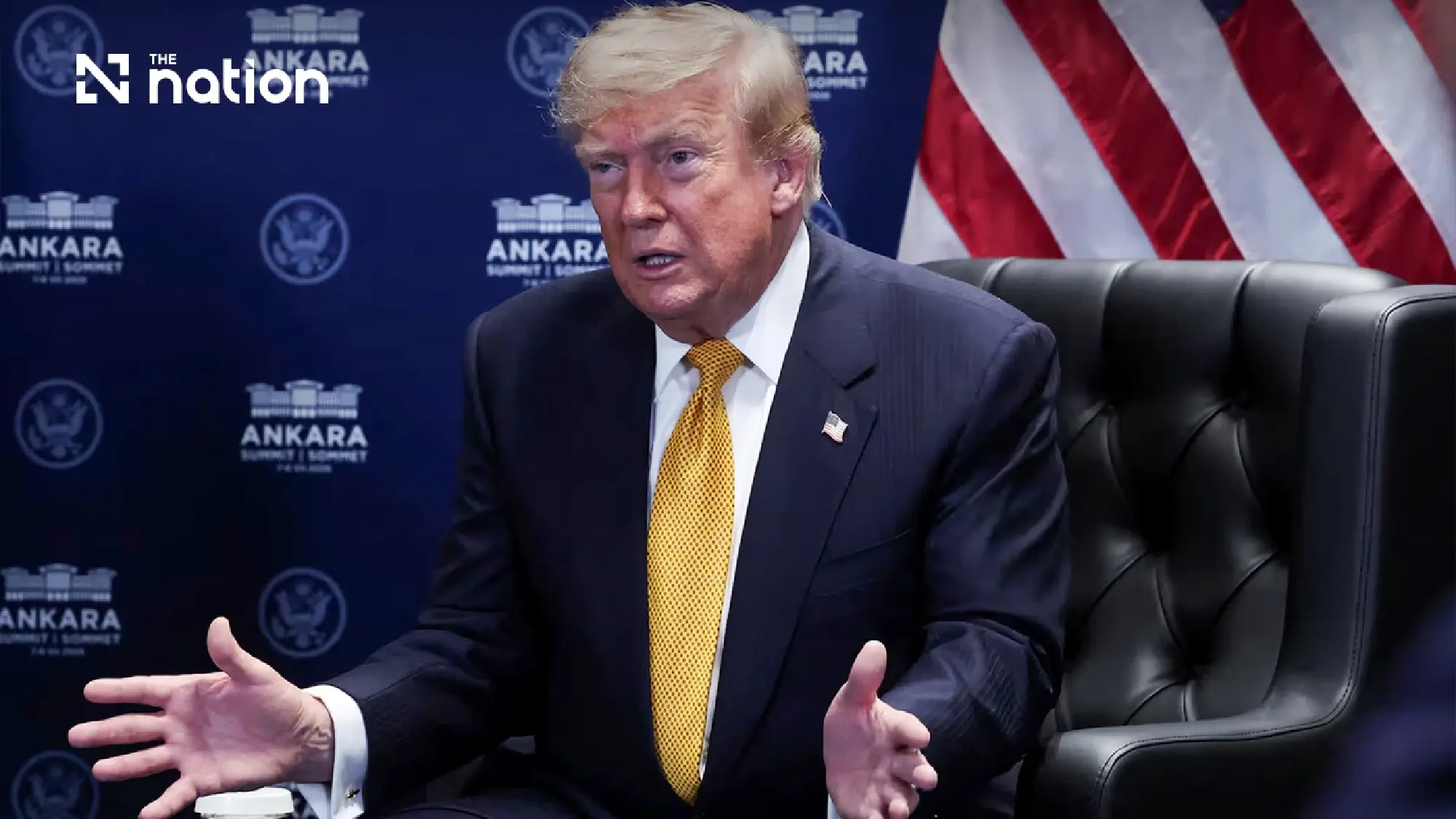
In a formal letter dated July 10, Trump told Congress that renewed hostilities had begun on July 7. The notification could allow US military operations to continue for up to 60 days without explicit authorisation from lawmakers under the War Powers Resolution.
“I directed this military action pursuant to my responsibility to protect American citizens, the national security of the United States and its foreign policy interests,” Trump wrote.
The letter outlined a series of earlier developments, including a two-week ceasefire ordered on April 7 and subsequently extended, as well as diplomatic efforts by his administration to resolve the conflict.
Trump also referred to a memorandum of understanding he signed with Iran on June 17. He accused Tehran of violating the agreement by attacking commercial vessels travelling through the Strait of Hormuz, prompting him to authorise another round of strikes against Iran.
Renewed blockade announced
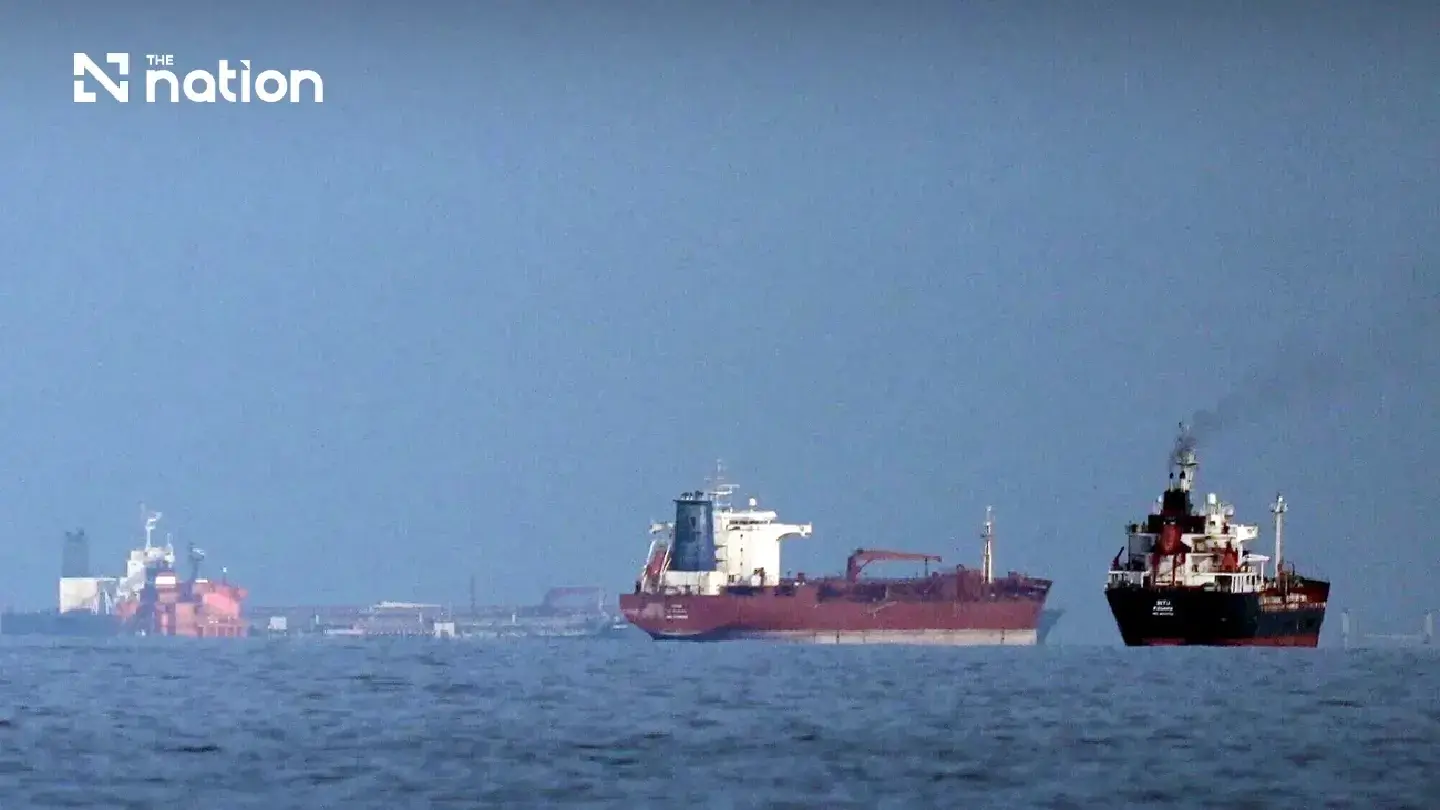
As tensions intensified, Trump announced on Monday that the United States would again block Iranian shipping in the Persian Gulf while seeking to keep the Strait of Hormuz open to other commercial traffic.
He declared that the United States would become the “guardian of the Strait of Hormuz” and should receive compensation equal to 20% of all goods transported through the waterway in return for the costs and risks involved in maintaining security.
“From this point forward, the United States of America will be known as ‘The Guardian of the Hormuz Strait’,” Trump wrote on social media.
He said the United States should receive 20% of all goods transported through the route to cover “any and all expenses” associated with protecting and securing what he described as one of the world’s most volatile regions.
Trump said the process of establishing and implementing the proposal would begin immediately. However, the White House did not initially provide details on how the charge would be collected, who would administer the system or whether Gulf allies had been consulted.
The proposal represents a significant shift from Washington’s previous position that the strait should remain freely accessible to international shipping.
Trump and US Secretary of State Marco Rubio had earlier argued that vessels from all countries should be able to use the waterway without restrictions. Other governments and industries dependent on the route have also maintained that passage should remain free of tolls or additional maritime charges.
Trump defended the proposed payment system in an interview with Fox News, arguing that other countries had previously benefited from US protection without contributing to its cost.
“We used to protect it for nothing, and now we are going to protect it and we are going to get paid for protecting it, a lot of money,” Trump said.
“We just want to be compensated for doing all of this and for putting our people in harm’s way.”
Oil prices rise after Trump’s announcement
Oil prices climbed after Trump’s remarks increased concerns about another disruption to shipping through the Strait of Hormuz.
Brent crude and West Texas Intermediate rose by about 5% to their highest levels of the day, with Brent returning to approximately US$80 a barrel.
The narrow waterway is one of the world’s most important energy corridors, carrying around one-fifth of global oil flows as well as other commodities.
Iran had restricted passage through the strait during the conflict to maximise its negotiating leverage. A temporary peace arrangement later provided for commercial shipping to pass without charge during a 60-day negotiating period.
The latest US announcement has revived uncertainty over whether that arrangement will continue and whether commercial vessels could become caught between Iranian restrictions and a new American payment demand.
Any prolonged disruption would risk raising energy and transport costs worldwide, while potentially increasing political pressure on Trump as higher oil prices feed through to fuel and consumer prices.
Legal questions over proposed fee
The demand for a 20% payment could also face questions under international maritime law.
Ships generally have a protected right of transit passage through waterways used for international navigation. Coastal states are normally not permitted to charge vessels merely for passing through such routes.
Charges may, however, be imposed for specific services provided directly to individual vessels. It remains unclear whether the Trump administration would characterise American military protection as such a service or how it would seek to enforce payment from ships, cargo owners or exporting countries.
The proposal may also cause concern among US partners in the Gulf, whose economies rely heavily on exporting oil and other goods through the strait.
A charge based on 20% of the value of transported goods would be far more extensive than an ordinary maritime service fee and could impose substantial additional costs on regional exporters and international buyers.
New 60-day war powers dispute
Trump’s notice to Congress has also reignited a domestic constitutional dispute over who has the authority to continue US military operations against Iran.
The US Constitution gives Congress the power to declare war. Presidents have nevertheless repeatedly argued that they may order limited military action without advance legislative approval when national security or American lives are at risk.
Under the War Powers Resolution, a president must notify Congress within 48 hours of introducing US forces into hostilities. Military operations launched without congressional authorisation must normally end within 60 days unless lawmakers approve their continuation.
The first 60-day deadline for US operations against Iran fell on May 1. Trump argued that the deadline no longer applied because a ceasefire had brought the previous period of hostilities to an end.
Critics have challenged that interpretation, pointing to continued attacks and the US military blockade of Iranian ports.
By formally identifying July 7 as the beginning of renewed hostilities, the administration appears to be treating the latest operations as the start of a separate conflict period, potentially resetting the 60-day clock.
Anti-war Democrats and Republicans have accused the administration of misinterpreting the law.
“The president cannot ignore the fact that the war has dragged on for months, even though he said it would last only four or six weeks,” an unnamed senior Democratic official in the House of Representatives told Reuters.
Congress pushes back against Iran campaign
Opposition to the conflict has grown across party lines.
During the previous month, both the Senate and the House of Representatives passed resolutions directing Trump to withdraw US forces from the conflict with Iran, despite Republicans holding narrow majorities in both chambers.
The votes reflected increasing concern among lawmakers over the duration and scope of American military involvement.
Trump reacted angrily, accusing those who supported the resolutions of giving Iran an easier path and making his administration’s work more difficult.
The renewed notification to Congress is likely to intensify that confrontation, particularly if military operations expand or the administration attempts to impose the proposed Hormuz charge without legislative approval.
Strait becomes central to renewed confrontation
The Strait of Hormuz has now emerged as the central point of both the military and economic confrontation.
Trump says US action is necessary to prevent Iran from threatening commercial vessels and to guarantee continued passage through the waterway. Tehran has used its ability to obstruct shipping as leverage in the conflict and in negotiations with Washington.
The administration’s latest position combines those security objectives with a demand for financial compensation, effectively linking freedom of navigation to payment for US protection.
However, essential questions remain unanswered, including whether Washington can legally impose such a charge, how it would collect the money, whether Gulf allies would accept the arrangement and how Iran might respond.
The combination of renewed military operations, a revived blockade and uncertainty over commercial access to the strait has raised the risk of further confrontation while placing renewed pressure on global oil markets.
