
Thailand steps up quantum push with Chula system and degree



Chulalongkorn University will install Thailand’s first trapped-ion quantum computer in 2027 and launch a master’s programme to build its quantum workforce.
- Chulalongkorn University will install Thailand's first trapped-ion quantum computer by 2027 through a partnership with Chinese institutions.
- The university is launching a new Master of Science programme in Quantum Technology to develop a specialized workforce.
- The initiative aims to establish a domestic quantum research base and position Thailand as a technology developer rather than just an adopter.
- Key application areas for this quantum push include enhancing cybersecurity, financial modeling, and solving complex logistics problems.
Thailand is moving to strengthen its position in the emerging quantum economy, with Chulalongkorn University announcing plans to install the country’s first trapped-ion quantum computer and launch a Master of Science programme in Quantum Technology.
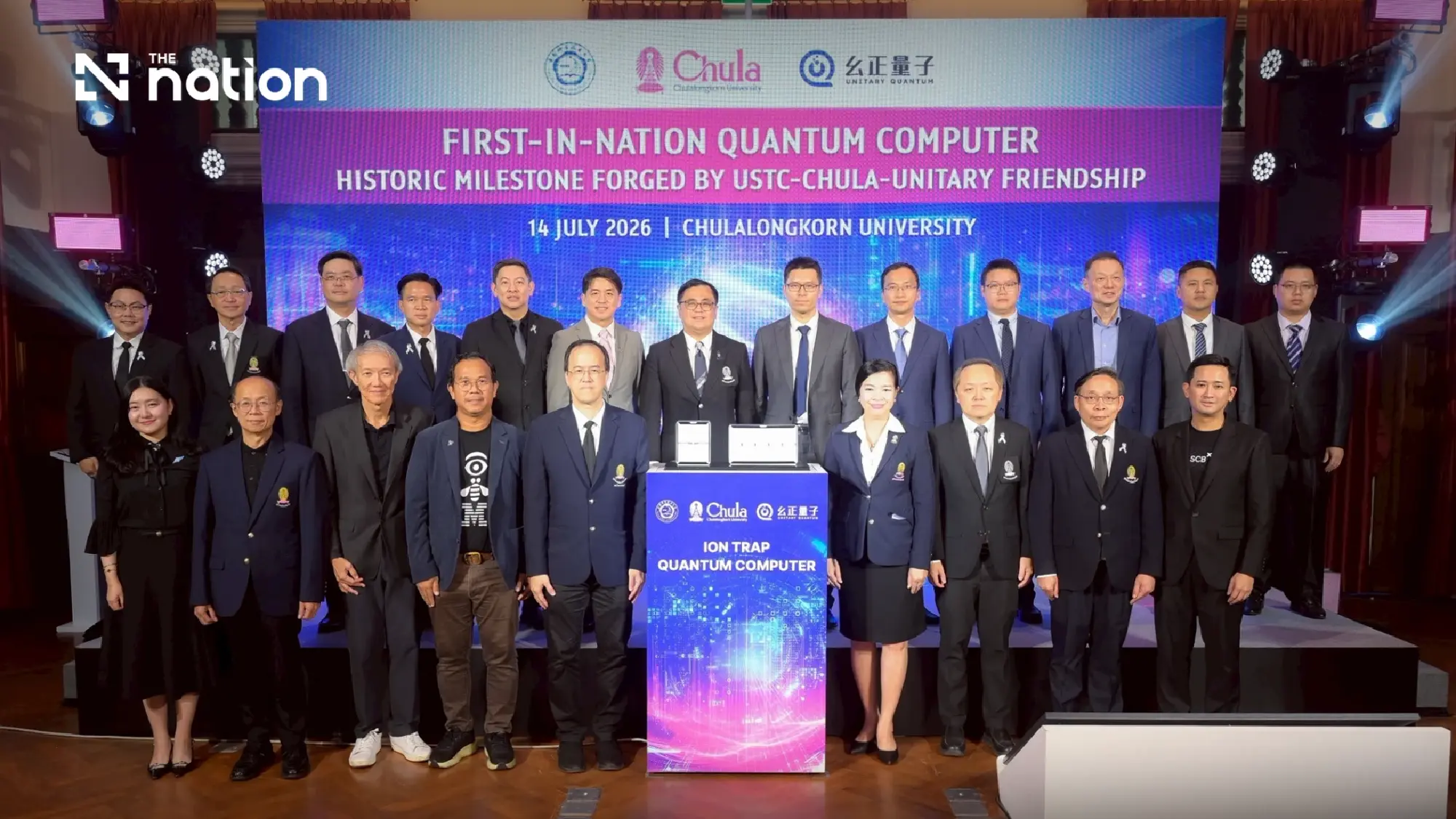
The university described the planned system as the first trapped-ion quantum computer in Southeast Asia. It is expected to be installed at Chulalongkorn University in 2027 through a partnership with the University of Science and Technology of China (USTC) and Hefei Unitary Quantum Technology.
The wider initiative is intended to establish a domestic base for quantum research while producing specialists capable of applying the technology across industry, finance, communications, security and the broader digital economy.
Quantum computing is designed to address highly complex problems that conventional computers struggle to solve efficiently. Potential applications include molecular simulations for drug discovery and advanced materials, financial risk modelling, logistics optimisation and energy management.
At the same time, advances in quantum computing could weaken some encryption systems currently used to protect digital information. Governments, banks and other organisations therefore face growing pressure to prepare post-quantum security measures before sufficiently powerful machines become available.
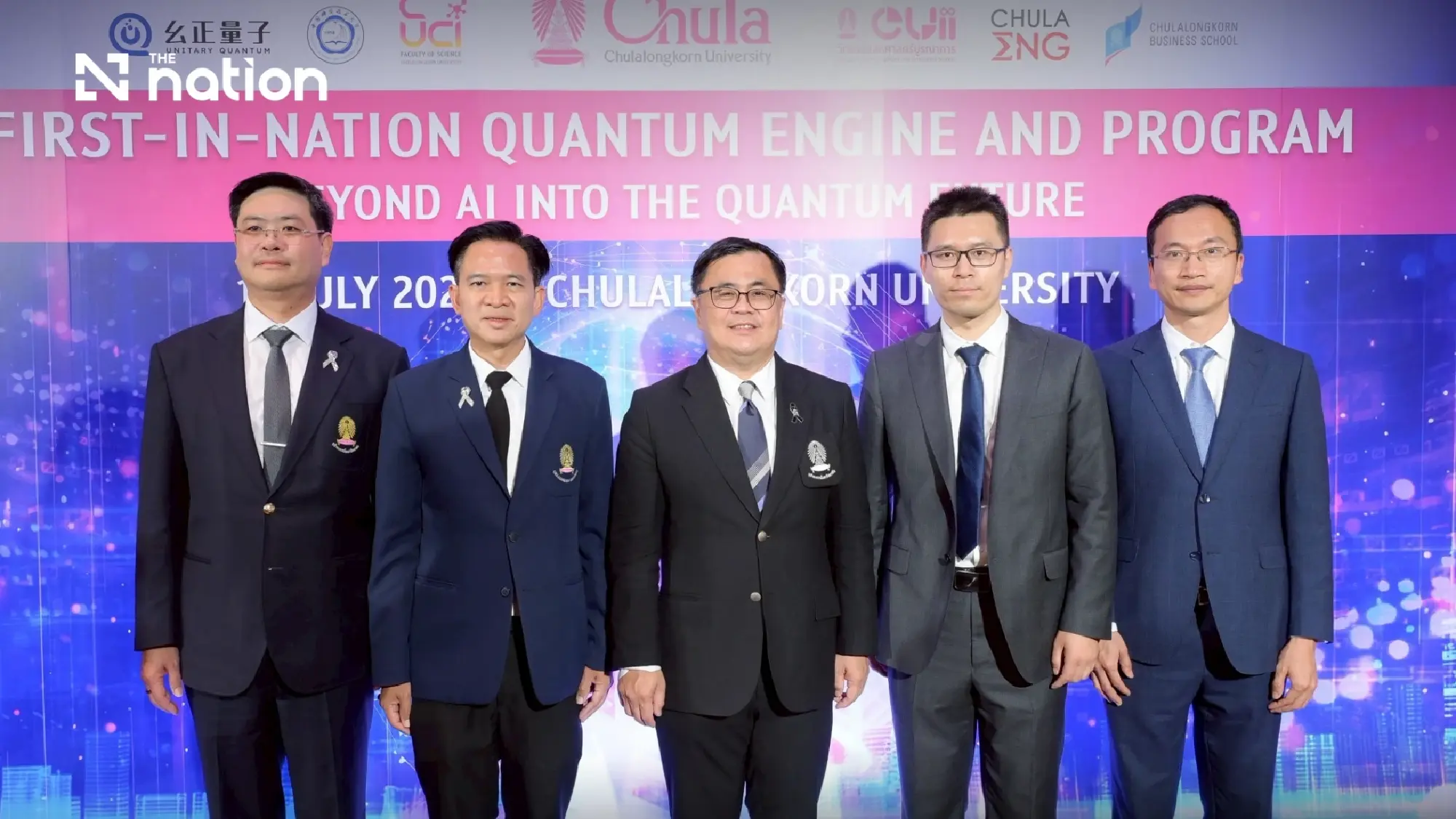
Chula plans Thailand’s first trapped-ion quantum computer
The announcement was made during a ceremony at the university on Tuesday (July 14, 2026), marking what Chulalongkorn described as an important step in the development of Thailand’s quantum infrastructure.
The new system will support teaching, research and technology development in quantum computing. It is also expected to provide a platform for developing quantum algorithms, advancing quantum information research and training students, researchers and engineers.
Chulalongkorn plans to use the facility to deepen cooperation among universities, private-sector partners and overseas institutions. The aim is to move research beyond the laboratory and towards applications capable of addressing industrial and economic challenges.
Prof Wilert Puriwat, president of Chulalongkorn University, presented the initiative as an opportunity for Thailand to become a technology developer rather than merely an adopter.
He recalled that the university had helped introduce major computing infrastructure in Thailand several decades ago and was now seeking to create another national milestone through both a quantum system and a specialist academic programme.
The project draws on expertise from the university’s Faculty of Science, Faculty of Engineering and other academic units, while the partnership with USTC provides access to additional quantum research capabilities.
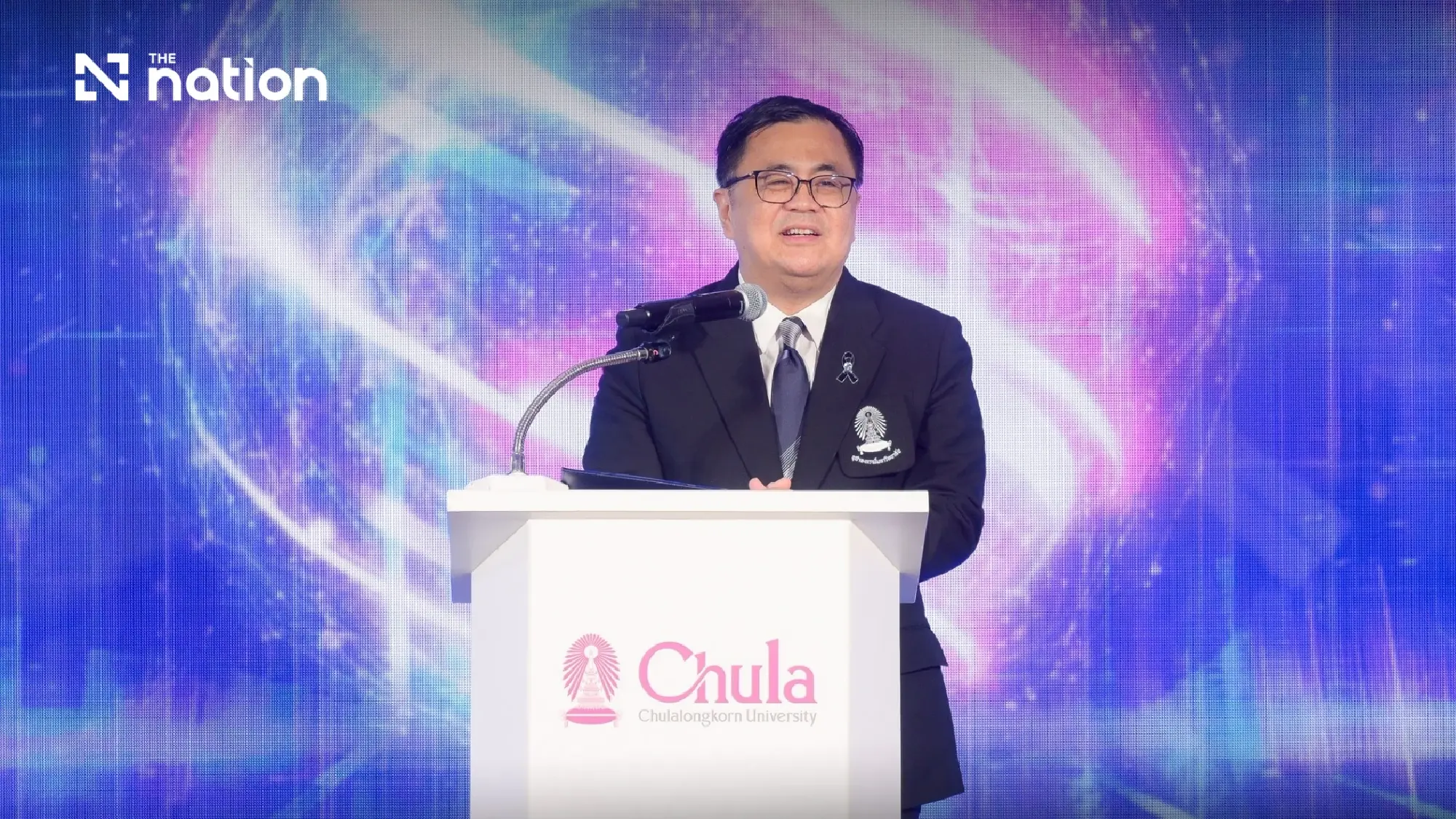
Wilert argued that Thailand should not simply attempt to catch up with global technological change, but should build the knowledge and capabilities needed to help shape its future direction.
The university’s role, he added, extended beyond improving education and quality of life to developing innovations capable of strengthening Thailand’s long-term competitiveness.
New master’s programme targets practical quantum skills
Alongside the planned computer installation, Chulalongkorn University has unveiled a Master of Science programme in Quantum Technology through its College of Interdisciplinary and Integrative Studies.
The course has been designed as an interdisciplinary programme combining physics, mathematics, computer engineering, computer science, artificial intelligence, business and finance.
Students will study common core subjects before selecting areas aligned with their interests. They will also undertake integrated projects with researchers, specialists and industry partners, linking academic knowledge with practical problem-solving and innovation.
The programme is intended to prepare graduates to apply quantum technology in sectors including industry, financial services, communications, national security, medicine, advanced materials, energy and transport.
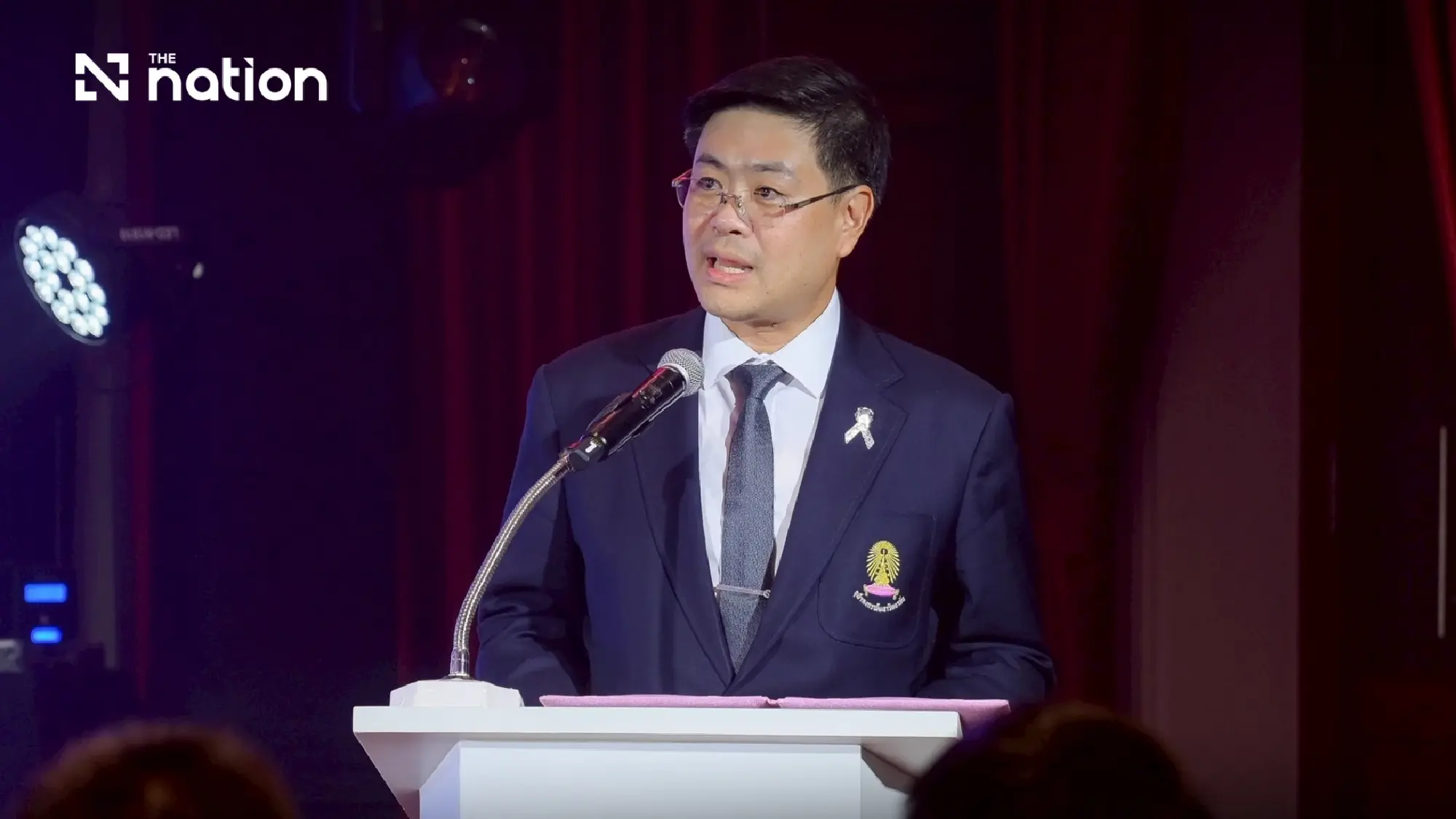
Assoc Prof Thiti Bovornratanaraks, dean of the College of Interdisciplinary and Integrative Studies, stressed that workforce development must begin before the quantum computer arrives.
The university expects to begin accepting applications by the end of 2026 and is targeting about 50 students for its first intake. The professionally oriented programme will focus on knowledge and skills that can be applied directly in the workplace.
A cross-level study pathway is also planned, allowing eligible final-year undergraduate students to begin taking courses before completing their bachelor’s degrees. The approach is intended to shorten the route into postgraduate study and enable qualified graduates to enter the labour market more quickly.
Thiti observed that Thailand had not always participated in the earliest stages of previous technological waves, including semiconductors and solar energy.
Quantum technology, however, presents an opportunity for the country to participate nearer the forefront of development rather than remaining a downstream user.
Although Thailand already has specialists in physics and engineering, he identified an urgent need for more people capable of translating fundamental knowledge into practical applications, particularly in finance, cybersecurity and other data-intensive sectors.
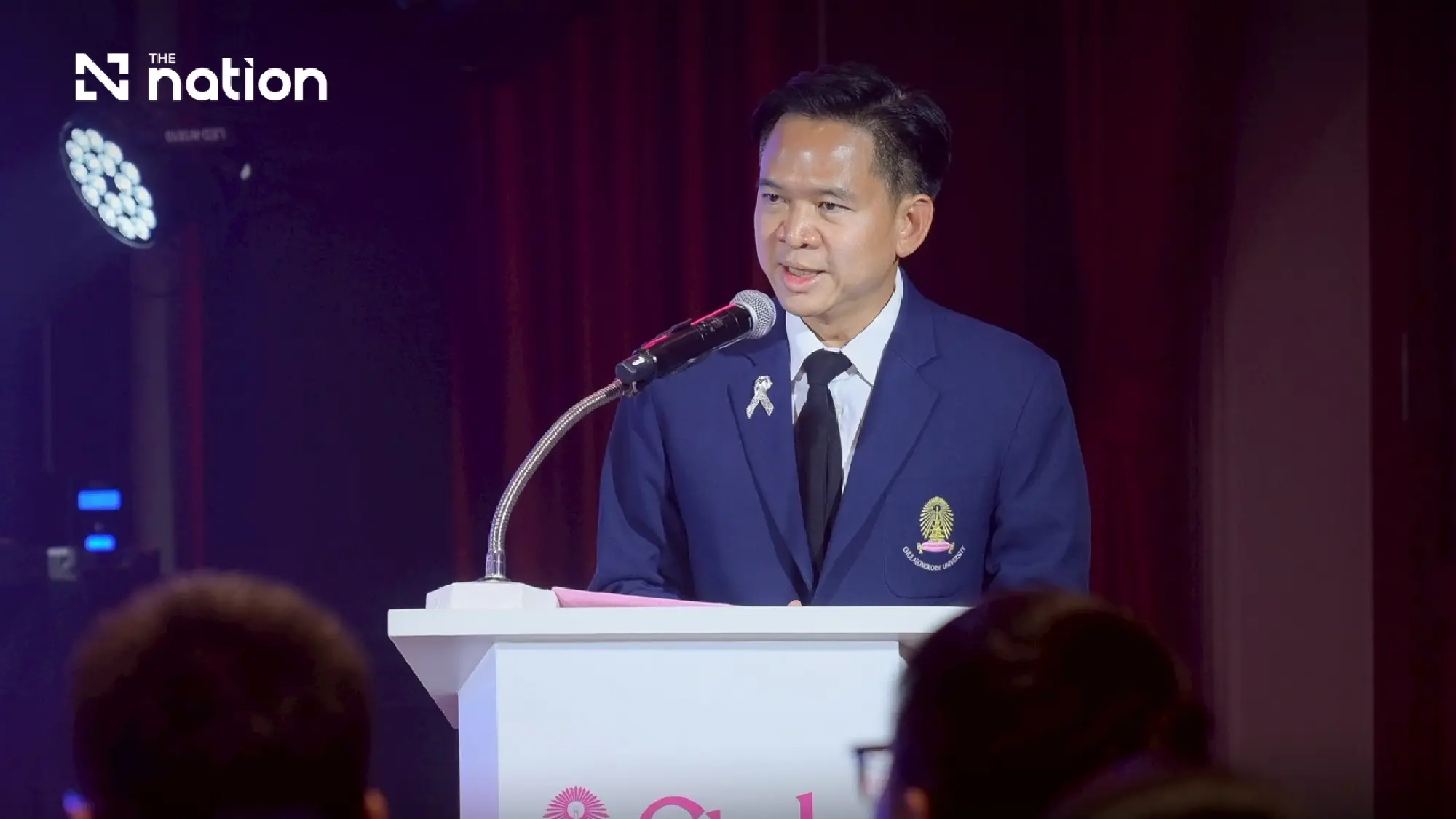
Quantum security and logistics among key applications
Prof Pranut Potiyaraj, dean of the Faculty of Science, described quantum technology as a field built on the combined foundations of science, technology, engineering and mathematics.
Its development therefore requires cooperation across disciplines, as well as support from companies and organisations already working in quantum-related fields.
One of the most pressing priorities for Thailand is cybersecurity. Future quantum computers may be able to undermine some forms of encryption used in banking, mobile-banking services and other critical systems, making the development of quantum-resistant security increasingly important.
Thailand must therefore prepare new encryption systems capable of withstanding potential attacks by quantum computers, particularly where national security and sensitive financial data are concerned.
Pranut also highlighted the technology’s ability to tackle optimisation problems involving large volumes of data.
Chulalongkorn researchers have already explored the use of quantum algorithms for logistics challenges, including the efficient delivery of temperature-sensitive products while meeting consumer demand.
Such applications demonstrate how quantum methods could eventually improve everyday commercial operations rather than remaining limited to theoretical physics.
Cybersecurity and complex optimisation are therefore among the most immediate areas in which Thailand could develop practical quantum applications.
Thai-Chinese partnership extends beyond delivering a machine
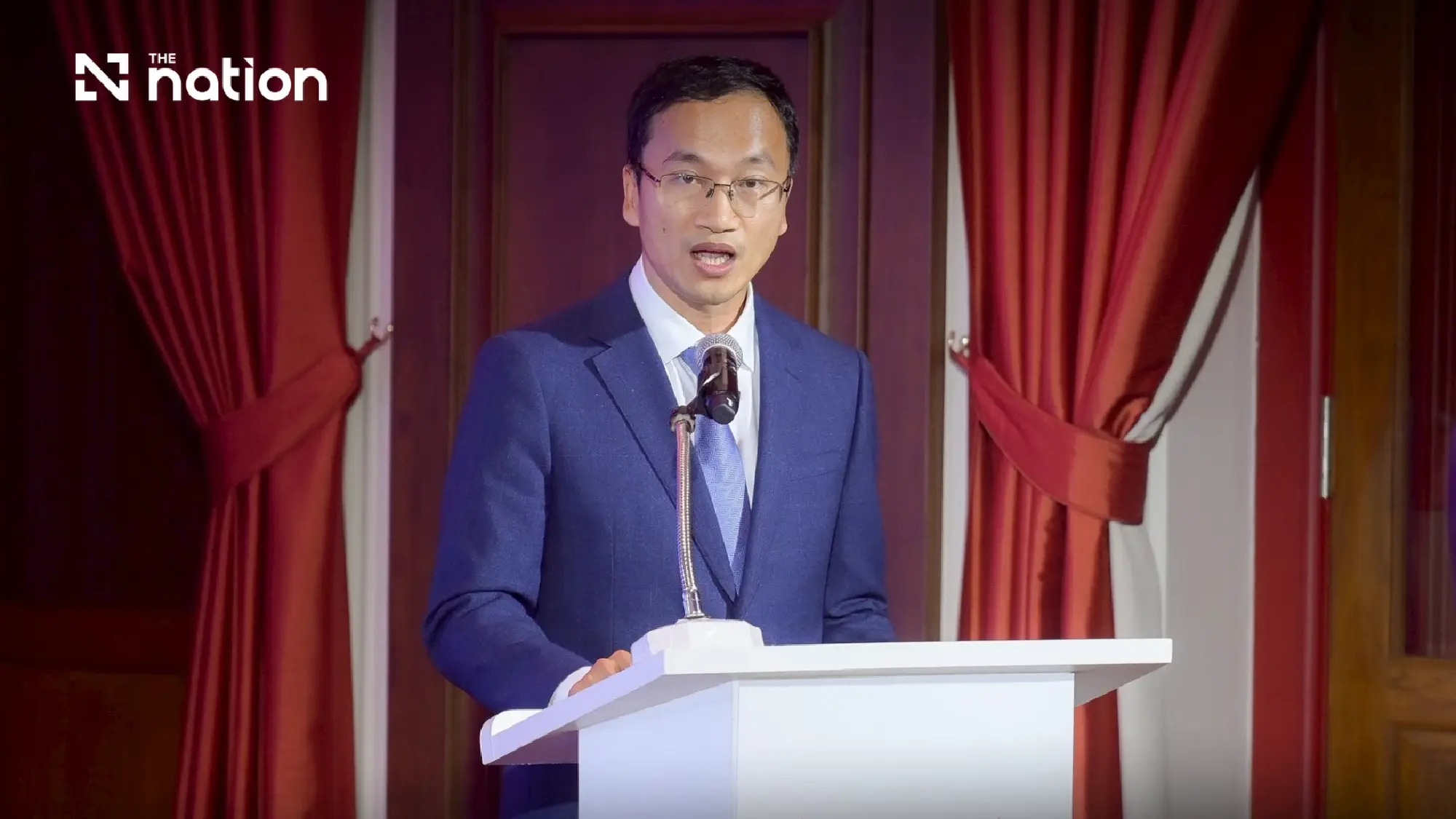
Prof Jin-Shi Xu of USTC described the installation as the foundation of a longer-term partnership rather than a one-off transfer of equipment.
The planned joint laboratory will support collaborative research, exchanges involving students and academic staff, and the joint development of quantum technologies.
He envisaged Thai and Chinese researchers working side by side to advance scientific knowledge and train a new generation of quantum scientists and engineers.
“Our vision goes beyond delivering a machine. We are here to build a lasting partnership,” Xu emphasised.
Quantum talent emerges as the industry’s main challenge
Dr Ran He of Hefei Unitary Quantum Technology characterised the current period as the second quantum revolution. The first gave rise to technologies such as lasers and semiconductors, while the new phase involves directly controlling individual quantum systems for information processing.
Quantum computers are being developed to tackle particular problems that could be impractical or impossible for conventional computers to solve within a useful timeframe.
Despite rapid improvements in hardware, Ran identified talent as one of the industry’s most significant constraints.
Universities need students and researchers to solve scientific problems, while industry requires engineers capable of overcoming practical challenges.
“No country can do this alone, and no company can do this alone,” Ran noted, arguing that cooperation between China and Thailand could help build the necessary skills and research capacity.
The joint laboratory is intended to provide a platform for that cooperation and form part of an open ecosystem involving researchers, businesses and public-sector organisations.
By combining a locally installed quantum system with specialist education and international collaboration, Chulalongkorn University hopes to establish the foundations of a sustainable quantum ecosystem in Thailand.
