
Iran rejects ceasefire as Trump issues stark ultimatum over war
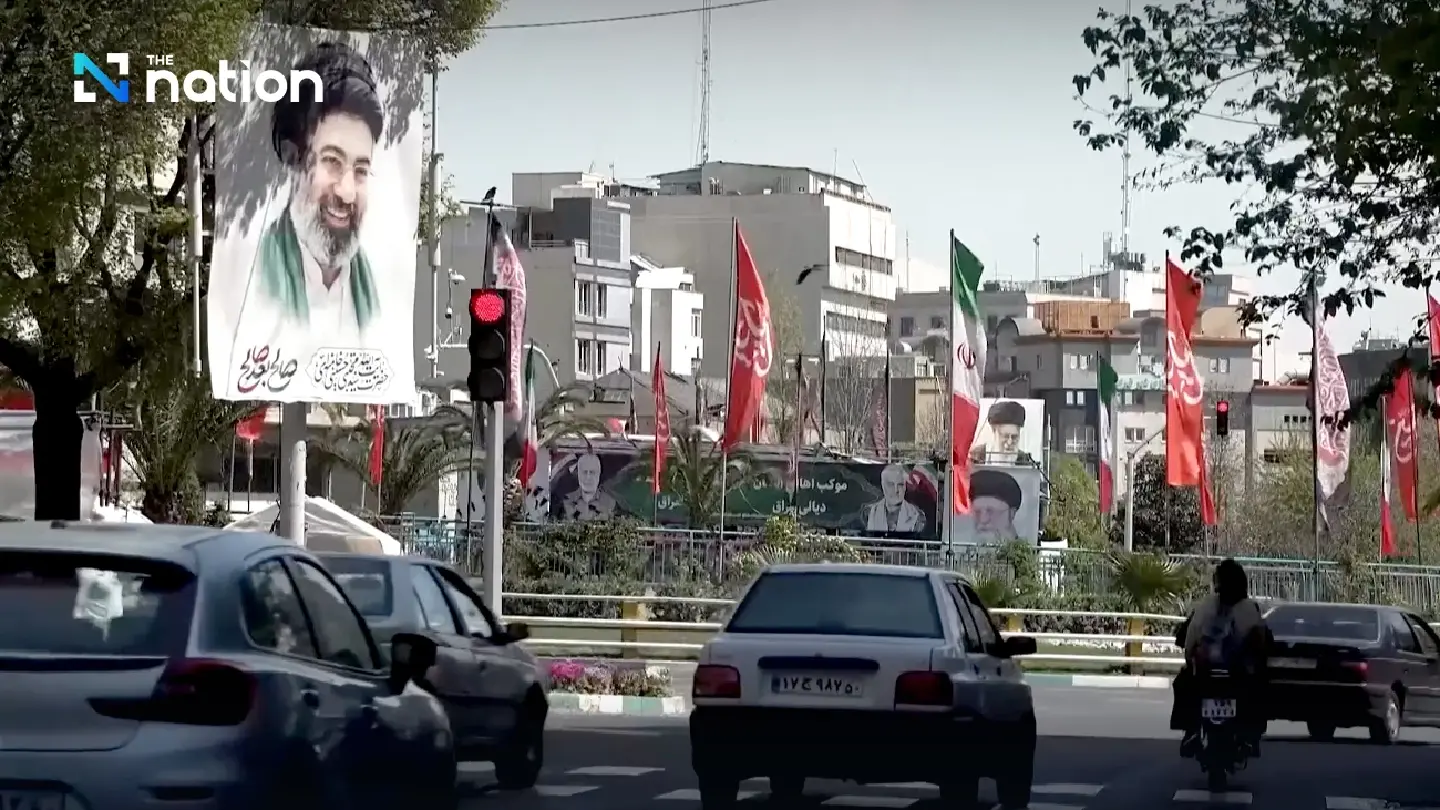


Iran rejects a US-backed ceasefire and defies pressure over Hormuz as Trump threatens sweeping strikes on infrastructure, raising fears of escalation
Iran has rejected a US-backed ceasefire proposal and insisted that any agreement must bring a permanent end to the war, as tensions escalate following a stark ultimatum from US President Donald Trump.
According to Iran’s official IRNA news agency, Tehran responded to a proposal delivered through Pakistan by outlining 10 key conditions. These include a complete end to regional hostilities, guarantees for safe passage through the Strait of Hormuz, the lifting of sanctions and commitments to post-war reconstruction. Iran also pushed back firmly against pressure to reopen the strategic waterway immediately, signalling that it still sees control of Hormuz as a critical source of leverage.
Trump, however, dismissed the response and said his deadline remained unchanged. Speaking at a news conference, he warned that if no deal is reached by 8pm EDT on Tuesday, Iran could face sweeping attacks on civilian infrastructure. He said bridges and power plants across the country would be targeted, brushing aside concerns that such actions could violate international law or alienate the Iranian population.
Tehran reacted angrily. Iran’s top joint military command described Trump’s remarks as “delusional” and condemned them as arrogant and baseless threats. The exchange has heightened fears that the conflict could intensify further, especially as independent experts have warned that deliberate strikes on civilian infrastructure could constitute war crimes.
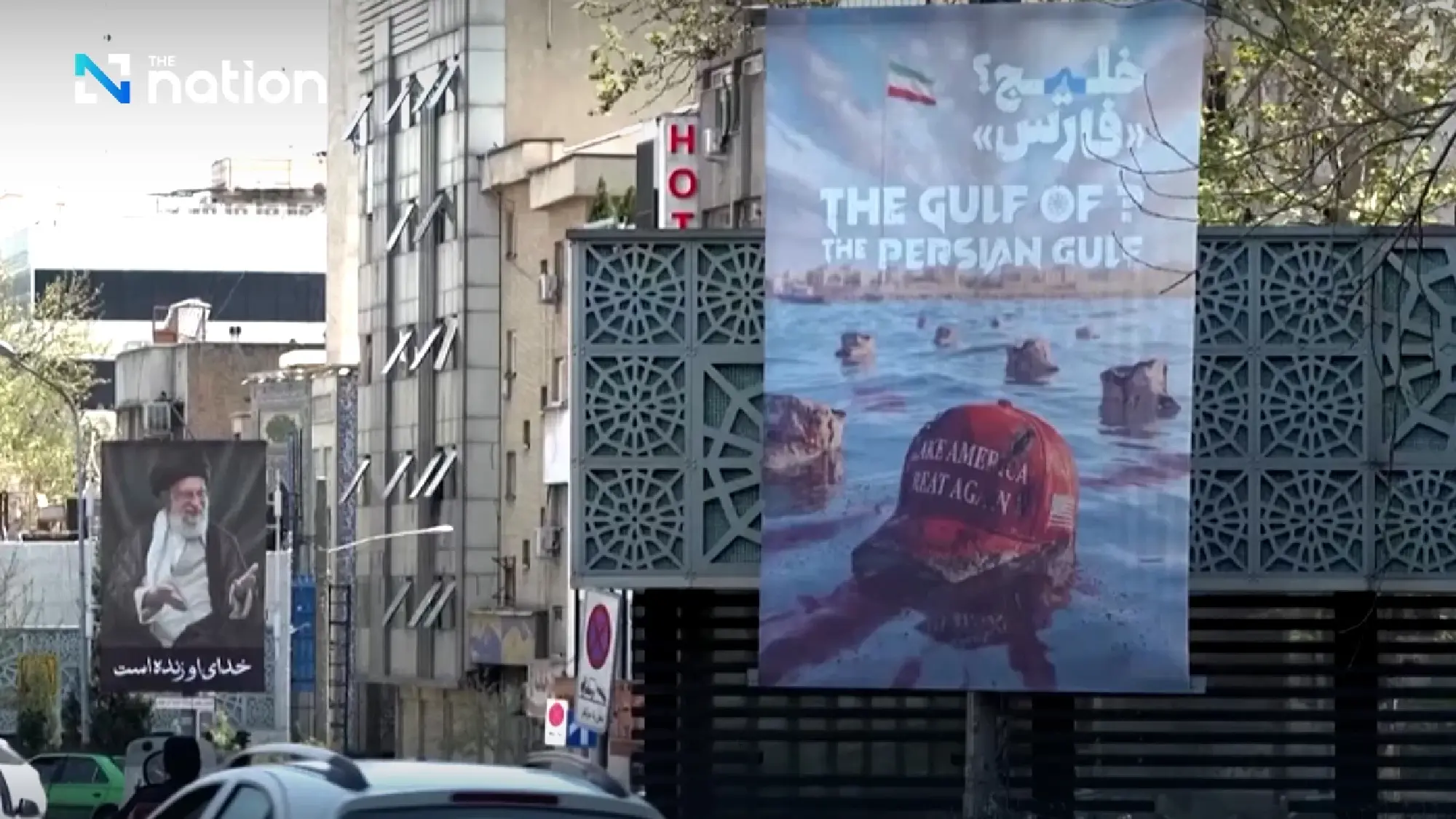
The standoff comes after Iran effectively closed the Strait of Hormuz following US and Israeli strikes on February 28. The narrow waterway carries around one-fifth of global oil and natural gas supplies, making it one of the most strategically important routes in the global energy system. Its closure has already sent shockwaves through energy markets, and Tehran appears reluctant to give up that leverage without major concessions.
A Pakistani-mediated framework aimed at ending the war had proposed an immediate ceasefire, followed by broader negotiations on a long-term settlement within 15 to 20 days. However, Iran’s rejection highlights its position that a temporary pause is insufficient while attacks continue.
Tensions have also intensified on the ground. Iran accused the United States and Israel of striking Sharif University of Technology in Tehran, where an artificial intelligence data centre and other facilities were reportedly damaged. Foreign Minister Abbas Araqchi warned that those responsible would face consequences, declaring that “aggressors will see our might”. Iran’s science minister further claimed that around 30 universities had been targeted during the conflict.
At the same time, Trump and US Defence Secretary Pete Hegseth highlighted the successful rescue of a US airman whose aircraft had been shot down over Iran. But the announcement came amid growing concern about the broader impact of the nearly six-week war, including surging fuel prices, rising casualties and mounting political pressure in the United States ahead of the November midterm elections.
Military activity across the region continues to intensify. Hegseth said Monday would see the heaviest wave of strikes since the war began, with even more expected to follow. Iranian state media reported that Revolutionary Guards intelligence chief Majid Khademi had been killed, while Israel said it had carried out strikes on Iranian air force assets at several airports. Iran also confirmed that two of its petrochemical complexes had been attacked.
Israeli Prime Minister Benjamin Netanyahu said the strike on a petrochemical facility in southern Iran was part of a broader effort to dismantle what he described as the Revolutionary Guards’ “money machine”. Israeli Defence Minister Israel Katz went further, warning that Israel would target Iran’s infrastructure and pursue its leadership “one by one”.
Despite the pressure, Iran has shown it retains the ability to respond. An attack on an Israeli-linked vessel, along with strikes on petrochemical facilities in Kuwait, Bahrain and the United Arab Emirates, has underlined the risk of a wider regional escalation.
Inside Israel, Monday brought another wave of rocket fire from Iran, with sirens and interception blasts heard across the country. The human toll continues to mount. A US-based rights group, HRANA, said 3,546 people had been killed in Iran, while nearly 1,500 deaths were reported in Lebanon. The conflict has also spread into Lebanon, where Israeli forces are engaged in fighting with Iran-backed Hezbollah. Thirteen US service members have also been killed, reflecting the widening scope of the war.
