
Seventeen provinces warned of flash floods and landslides
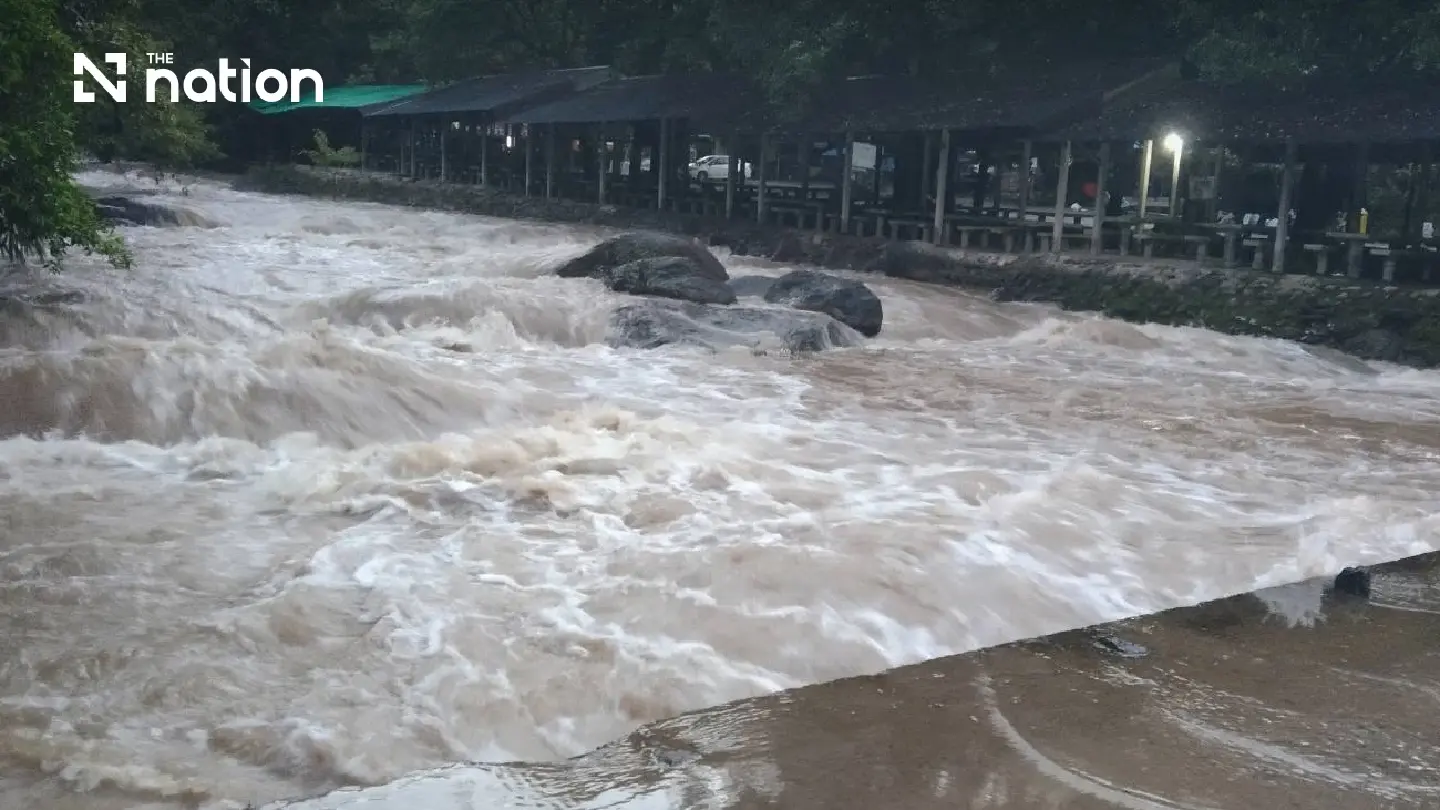


ONWR has placed 17 provinces on alert for flash floods, run-off and landslides from August 29 to September 2 as heavy rain intensifies.
The Office of the National Water Resources (ONWR) has warned 17 provinces to prepare for waterlogging, flash floods, rapid run-off and landslides between August 29 and September 2, 2026.
Weather forecasts indicate that a strong low-pressure cell is covering the coast of northern Vietnam and the Gulf of Tonkin, while a relatively strong southwesterly monsoon is prevailing over the Andaman Sea, Thailand and the Gulf of Thailand.
The conditions are expected to bring increased rainfall, with heavy to very heavy rain in some areas, particularly the upper North, upper Northeast and eastern parts of the northeastern region.
ONWR assessed the water situation using rainfall forecasts from the Thai Meteorological Department and the Hydro-Informatics Institute, together with data on flash-flood and landslide risks in upstream areas from the Department of Water Resources and the Department of Mineral Resources.
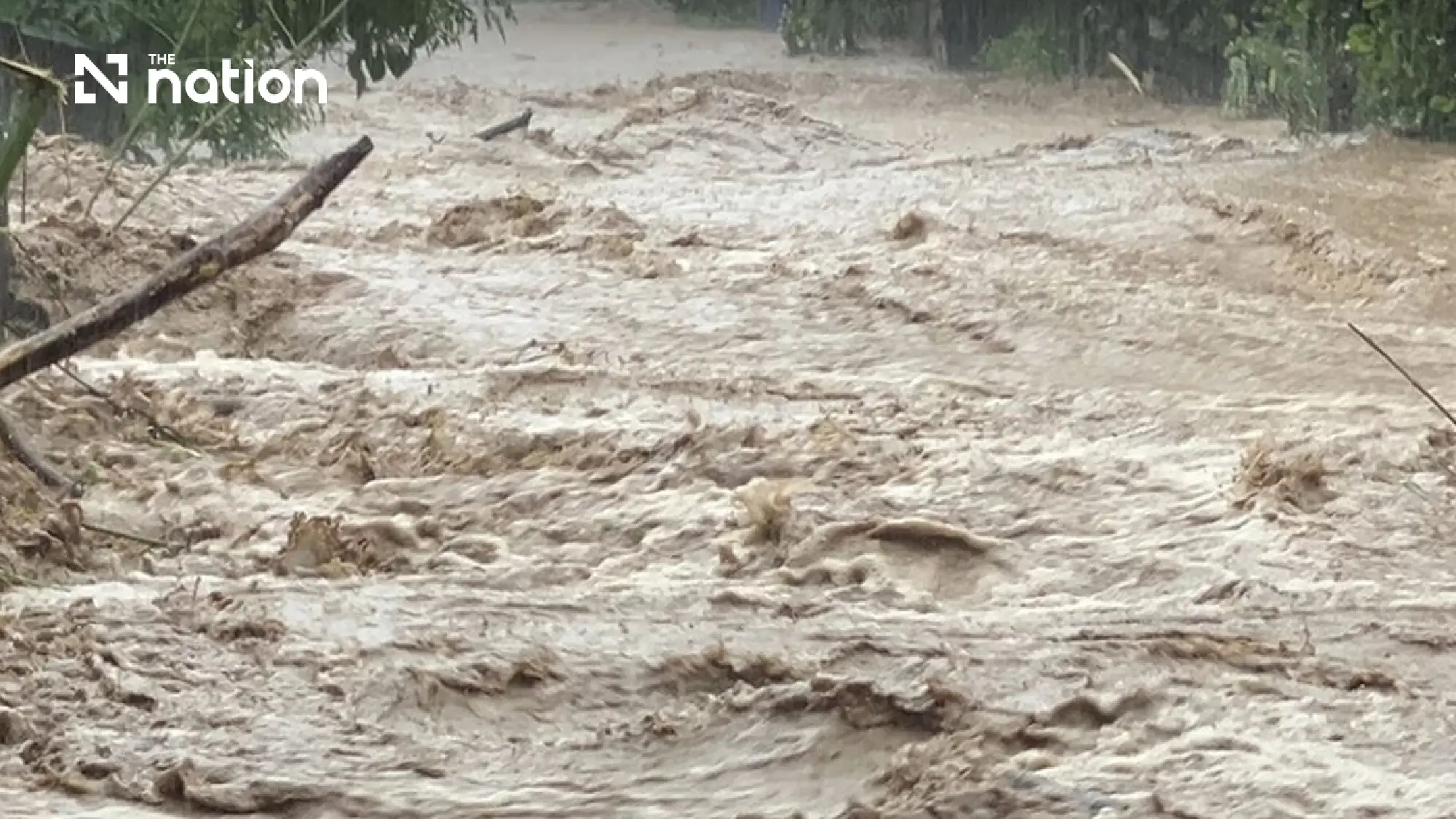
Seventeen provinces identified as high-risk areas
Areas requiring close surveillance include the following:
Northern region
- Mae Hong Son: Khun Yuam, Pai and Sop Moei districts
- Chiang Rai: Chiang Saen, Mae Sai, Phaya Mengrai, Mae Fa Luang, Mae Chan, Doi Luang, Wiang Pa Pao and Chiang Khong districts
- Chiang Mai: Phrao, Chiang Dao, Fang, Mae Ai, Wiang Haeng, Chai Prakan and Omkoi districts
- Nan: Na Noi, Thung Chang, Song Khwae, Wiang Sa, Bo Kluea and Pua districts
- Phrae: Rong Kwang and Song districts
- Phayao: Mae Chai, Chun, Chiang Kham and Pong districts
- Phetchabun: Lom Sak and Khao Kho districts
- Tak: Mae Sot, Umphang and Tha Song Yang districts
- Phitsanulok: Wang Thong and Nakhon Thai districts
Northeastern region
- Nong Khai: Si Chiang Mai, Tha Bo, Rattanawapi and Sakhrai districts
- Bueng Kan: Seka, Bueng Khong Long and Bung Khla districts
- Nakhon Phanom: Mueang Nakhon Phanom, Na Kae, Si Songkhram and Pla Pak districts
- Sakon Nakhon: Kham Ta Kla, Mueang Sakon Nakhon, Wanon Niwat, Waritchaphum, Akat Amnuai and Phang Khon districts
- Roi Et: Phanom Phrai and Selaphum districts
Western region
- Kanchanaburi: Sangkhla Buri, Sai Yok and Thong Pha Phum districts
Eastern region
- Chanthaburi: Mueang Chanthaburi, Khlung, Pong Nam Ron, Khao Khitchakut and Makham districts
- Trat: Mueang Trat, Bo Rai, Khao Saming and Khlong Yai districts
Major rivers and tributaries under surveillance
Authorities must also monitor sudden rises, rivers overflowing their banks and flooding in low-lying areas along major rivers and their tributaries.
Waterways requiring particular attention include the Yuam River in Mae Hong Son, the Kok River in Chiang Rai, the Nan River in Nan and the Moei River in Tak.
Surveillance also covers the Yom River in Phrae, Sukhothai and Phichit; the Kwae Noi River and Nam Fia in Phitsanulok; and Nam Yang in Roi Et.
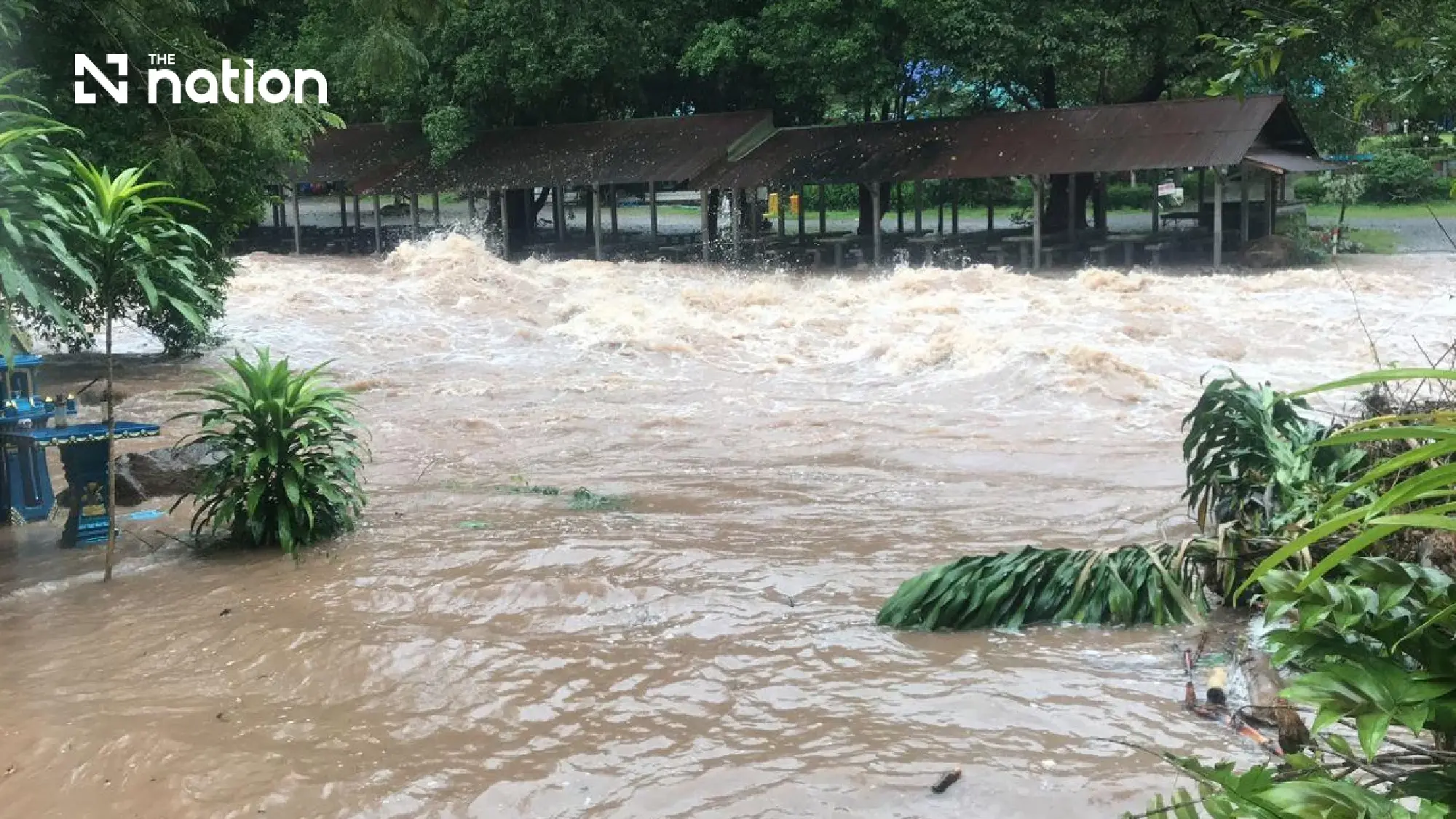
Agencies instructed to prepare personnel and equipment
ONWR has asked relevant agencies to continuously monitor weather and water conditions, particularly in locations receiving more than 90 millimetres of accumulated rainfall within 24 hours and areas repeatedly affected by flooding.
Officials must inspect and repair riverside embankments, remove obstructions from waterways and adjust water management across large, medium-sized and small reservoirs.
Operations involving rivers, diversion dams, weirs and sluice gates must be coordinated from upstream to downstream while taking tidal fluctuations into account. Authorities should accelerate drainage and lower water levels where appropriate to create capacity for the forecast heavy rain.
Agencies have also been instructed to prepare flood-response plans, personnel, machinery and equipment, clear blocked waterways and clean drainage pipes so assistance can be provided immediately.
Water conditions and advance warnings must be communicated to people expected to be affected, allowing residents to prepare their belongings and evacuate promptly should conditions deteriorate.
