
Two new plant species discovered within a Thai national park
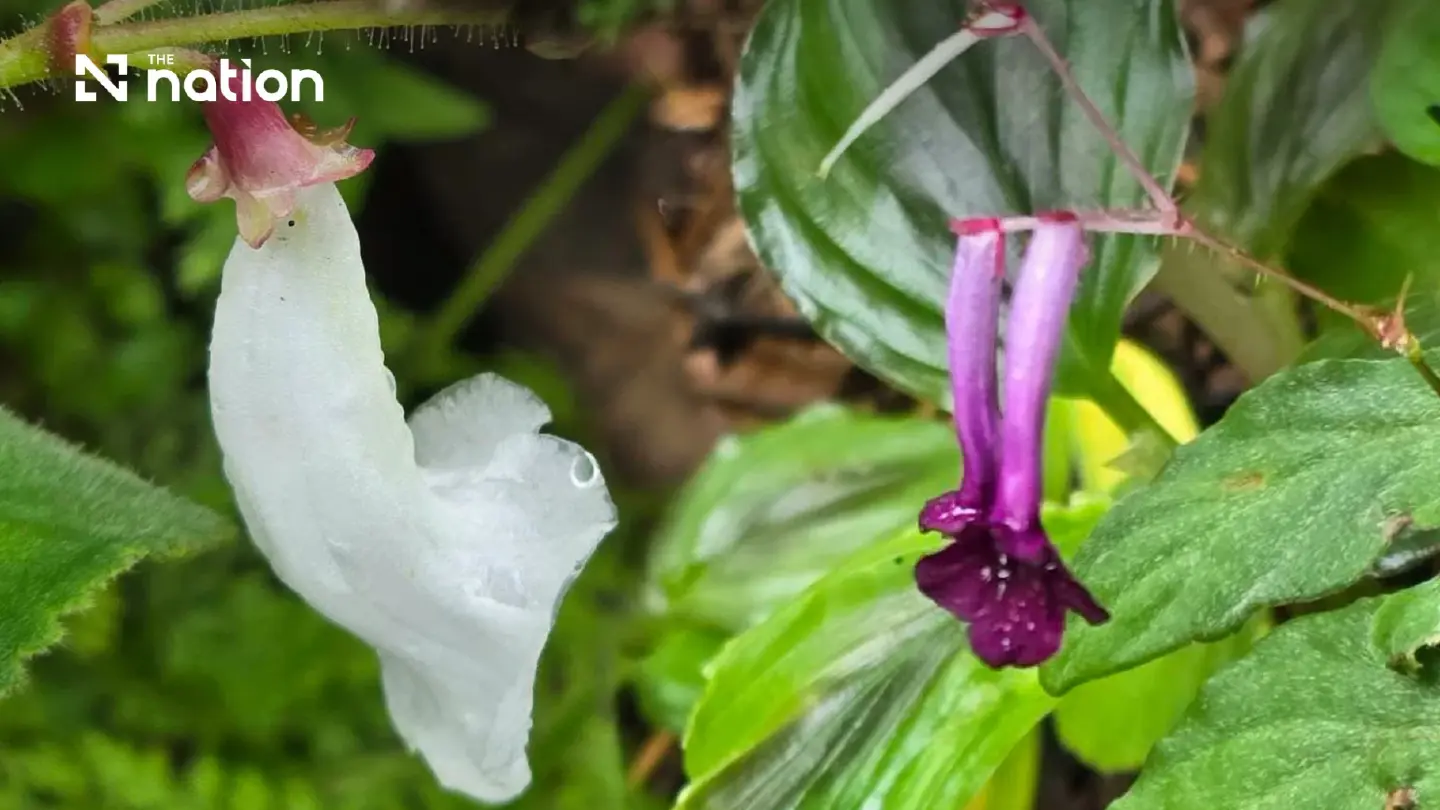


The two species are among 10 newly described Didymocarpus species that raise Thailand's recorded total for the genus to 35.
- Two new plant species, named Didymocarpus niveus and Didymocarpus vilaiwaniae, have been discovered in Thailand's Khunpawor National Park.
- Both species belong to the Gesneriaceae family and were identified by a collaborative research team, with findings published in the Thai Forest Bulletin.
- The discovery was part of a larger study that described 10 new Didymocarpus species in Thailand, highlighting the region's rich biodiversity.
- The conservation status for both new species has been preliminarily assessed as Data Deficient (DD) by the IUCN, indicating a need for further field surveys.
Two plant species new to science have been discovered in Khunpawor National Park in Mae Ramat district, Tak province.
The Department of National Parks, Wildlife and Plant Conservation posted images on Facebook on Thursday (August 20, 2026), and the discovery was reported the following day.
Both belong to the Gesneriaceae family and the genus Didymocarpus: “Krading Khao Khun Phawo” (Didymocarpus niveus Nangngam, Vidthay., Wongsa & Suddee) and “Muang Si Anusarn” (Didymocarpus vilaiwaniae Nangngam, Moungmaith. & Chamch.).
The research built on botanical surveys led by Dr Voradol Chamchumroon, a specialist in plant taxonomy, and his team.
Reference specimens collected in 2011 and 2024 are held at the Forest Herbarium.
Dr Pranee Nangngam of Naresuan University, who studies Didymocarpus under the Flora of Thailand project, examined the material and worked with Samrit Moungmaithong, superintendent of Khunpawor National Park, on follow-up fieldwork to collect more complete specimens.
Dr David Middleton, a Gesneriaceae specialist from the Royal Botanic Garden Edinburgh, and Dr Somran Suddee, an adviser on botany and biodiversity at the Forest and Plant Conservation Research Office, assisted with detailed identification.
The findings were formally published in Thai Forest Bulletin (Botany), volume 54(2), pages 128–149, in 2026.
The paper describes 10 Didymocarpus species new to science in Thailand, bringing the country’s recorded total for the genus to 35.
The increase reflects the valuable biodiversity of Thailand’s forests.
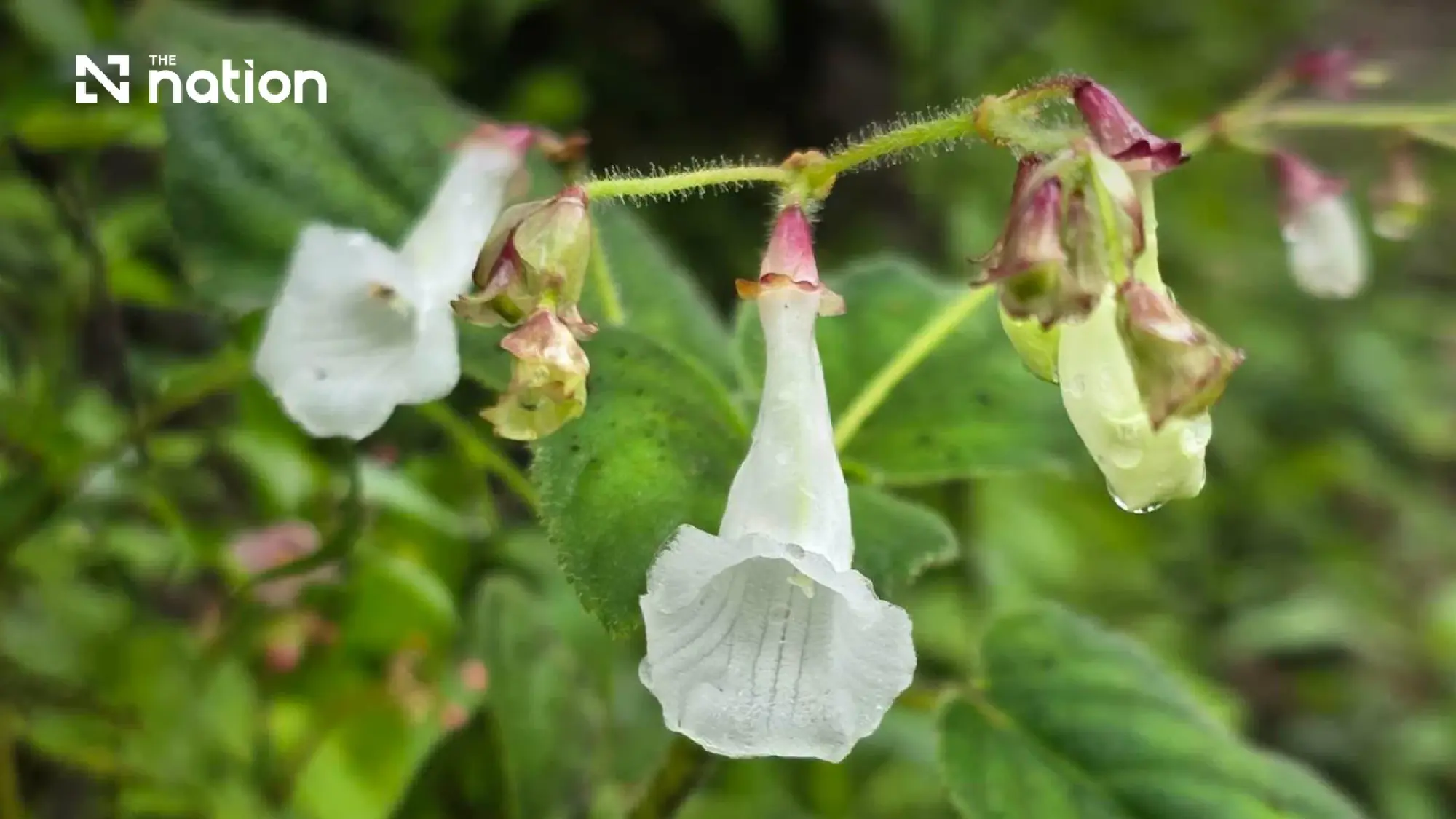
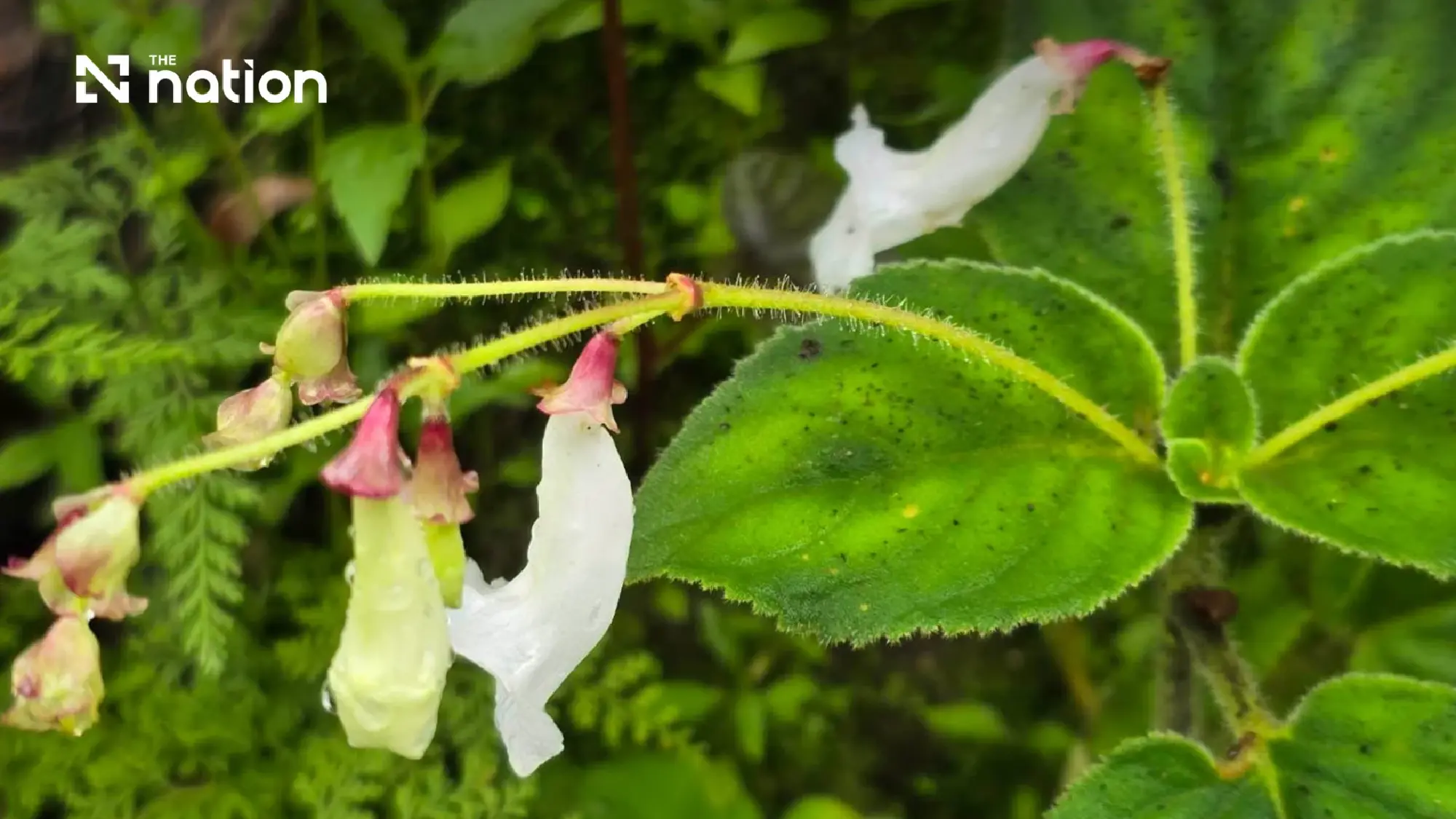
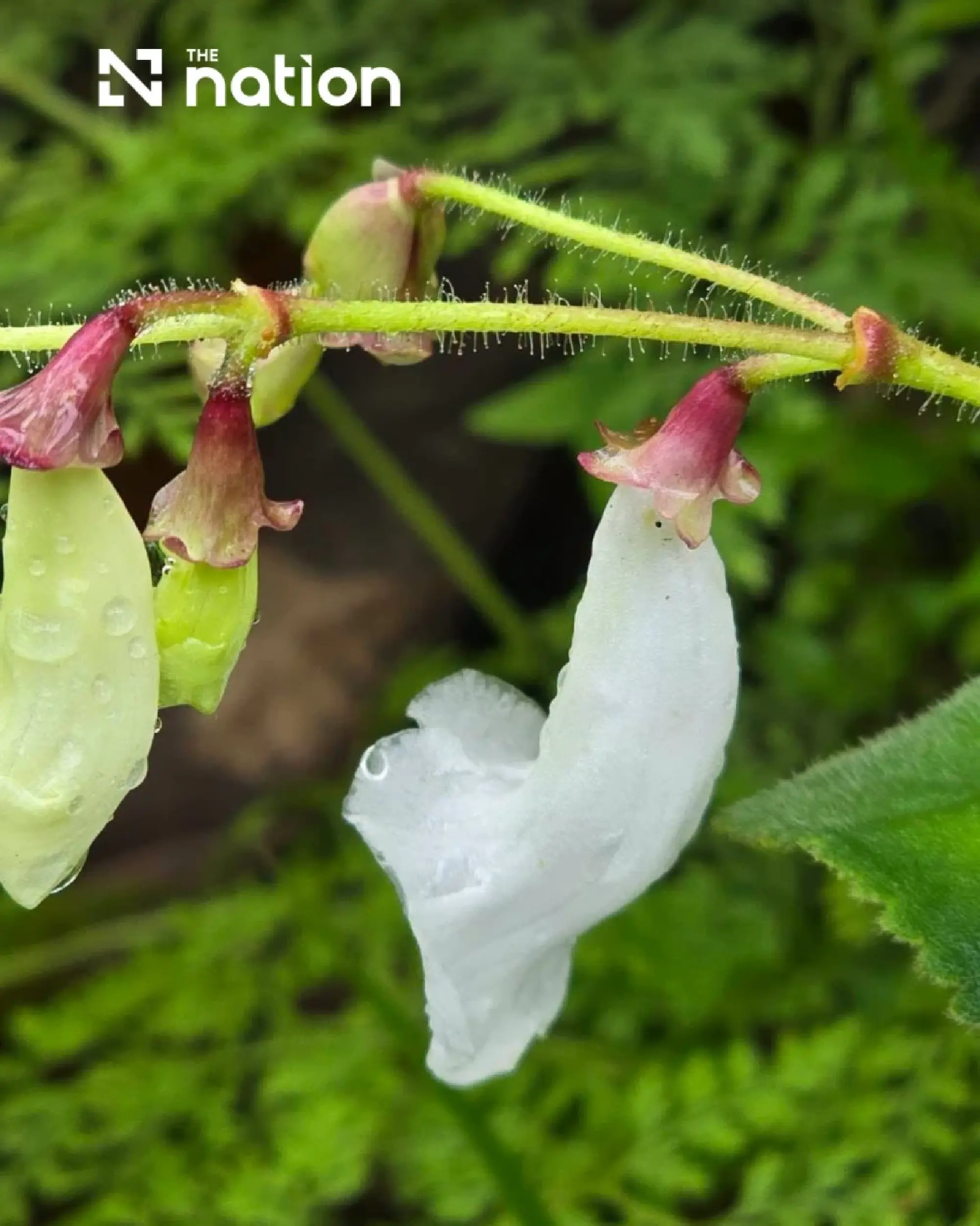
The name niveus refers to the pure white, snow-like flowers of Didymocarpus niveus.
This annual or perennial herb grows on soil or rocks, reaches up to 25cm and becomes dormant during the dry season.
The simple leaves are opposite, set at right angles and unequal in size, with a dense covering of multicellular non-glandular hairs.
Flower clusters emerge from the leaf axils.
The white, funnel-shaped flowers are about 3.5cm long, with 5 lobes and a creamy-white, bell-shaped calyx.
The dry capsule is about 2.5cm long.
The type specimen, “Chamchumroon VC5975”, is held at the Forest Herbarium.
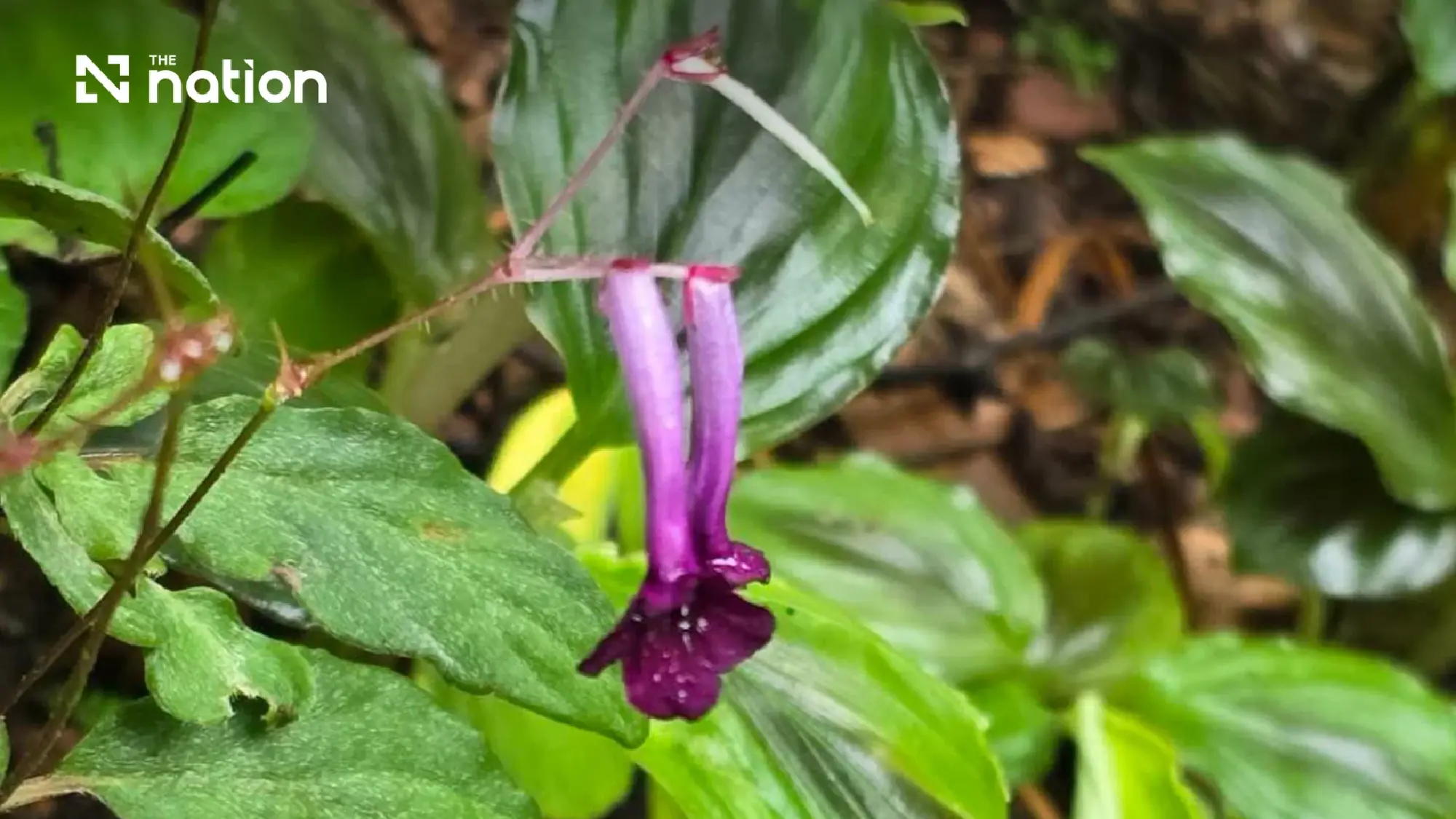
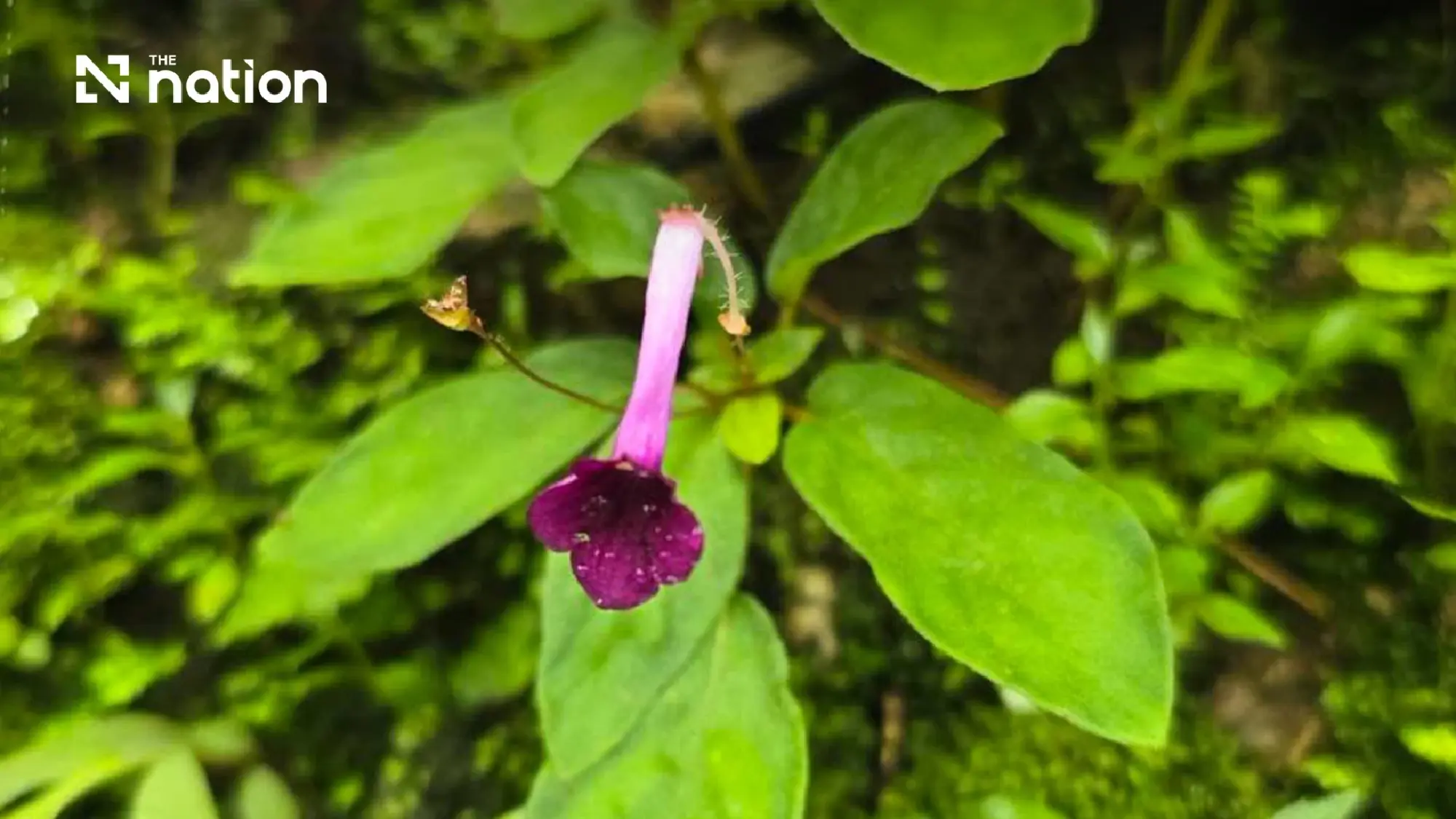
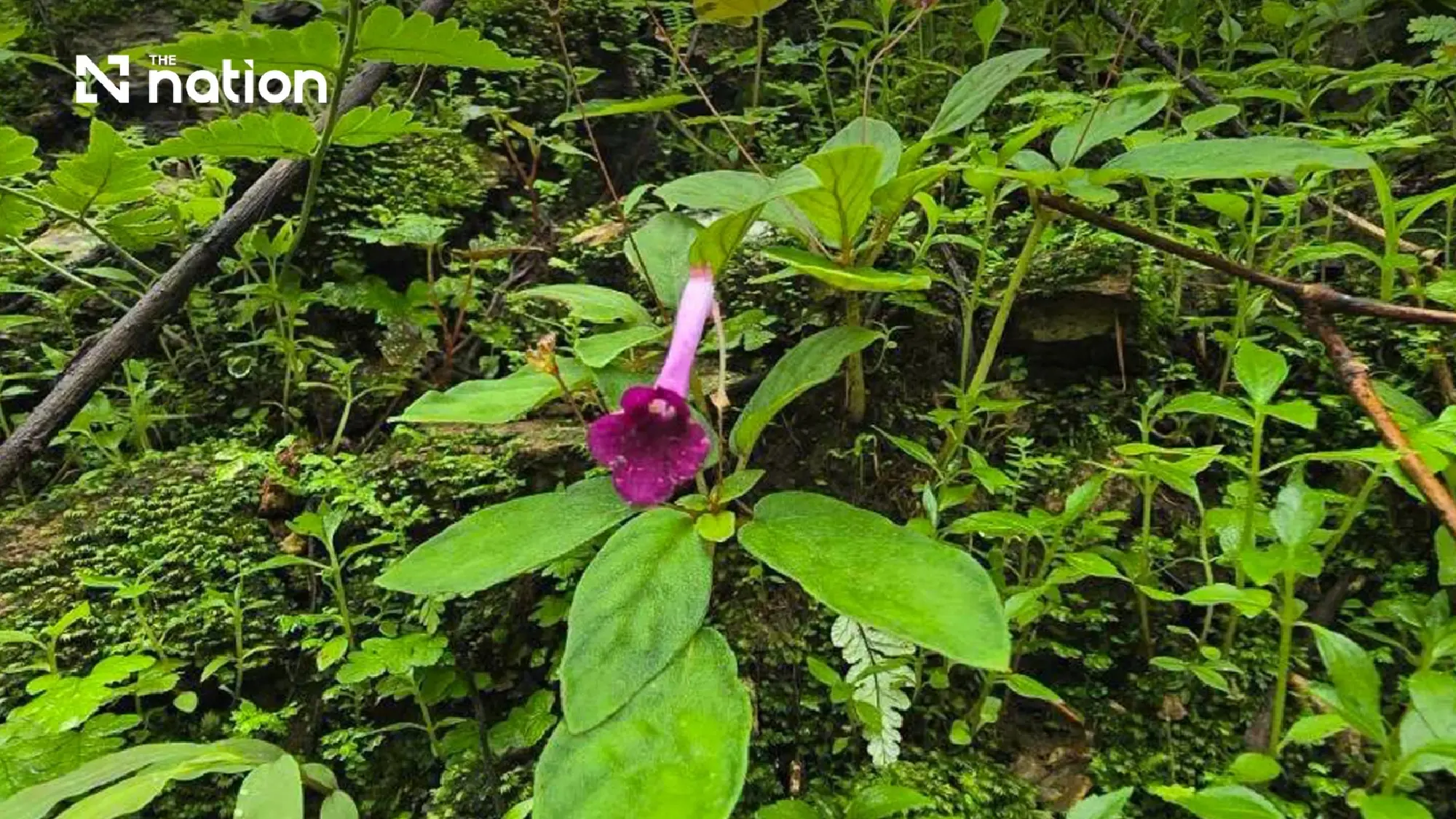
Didymocarpus vilaiwaniae was named in honour of Associate Professor Dr Vilaiwan Anusarnsunthorn, a former lecturer in the Department of Biology, Faculty of Science, Chiang Mai University.
The herb grows on soil and develops stems 2–5cm tall during the rainy season.
Simple leaves grow in opposite pairs set at right angles and cluster densely at the shoot tips.
The upper surfaces have silvery hairs, while the undersides are densely covered with 4-celled brown glands.
The flower cluster is a monochasial cyme carried on a red to dark-red stalk.
Bright-purple, salver-shaped flowers measure about 2cm, while the 5 purple calyx lobes are free to the base.
The type specimen, “Chamchumroon, Puff & Wongngoen 4968”, is also held at the Forest Herbarium.
Both species have been preliminarily assessed under International Union for Conservation of Nature (IUCN) criteria as Data Deficient (DD).
Further field surveys are needed to determine their wild populations and distribution.
The discovery adds to global botanical knowledge and provides important evidence of the ecological richness of Khunpawor National Park, supporting continued conservation and further sustainable research.
