
Around 340 foreigners among over 400 tourists missing after Nepal flood
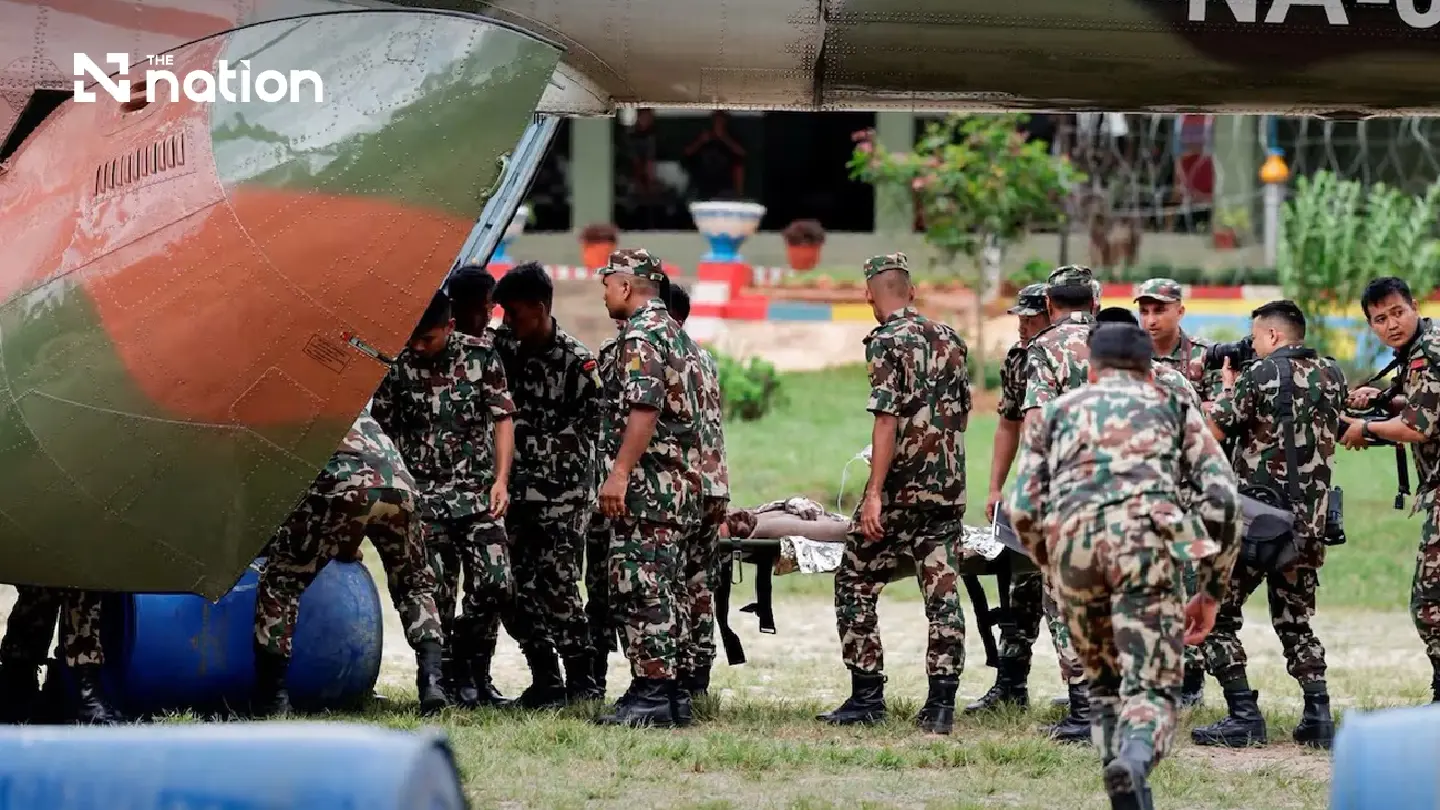


Rescuers are searching for survivors after a Nepal flood left more than 400 tourists missing, including around 340 foreign nationals
Around 340 foreigners are among more than 400 tourists reported missing after catastrophic flooding struck Nepal’s mountainous border with Tibet, as rescuers continued searching devastated towns and valleys for survivors on Thursday (August 27, 2026).
Nepalese police had recovered 157 bodies by late Wednesday. Authorities fear the death toll could rise substantially as the full scale of the destruction becomes clearer.
The disaster struck a region popular with trekkers and religious pilgrims travelling to Kailash Manasarovar in Tibet, a sacred destination for Hindus, Buddhists and followers of other religions.
Among the missing tourists were 133 Indians travelling on pilgrimage, 47 Americans, 34 Australians, 33 British nationals and 24 Canadians. Nationals of South Korea, Malaysia and Japan were also reported missing.
Rescue workers searched for survivors after a torrent of water, rock and mud swept through settlements along the border, destroying homes, roads, bridges, vehicles and hydropower infrastructure.
Verified footage showed people running from the approaching flood before being overtaken by water and debris. Security video from the Chinese side captured buildings and vehicles being engulfed at the border crossing.
Damaged roads hamper rescue operation
Helicopters transported survivors from accessible locations, but high water levels prevented them from landing in Syapru Besi and Timure in Nepal’s Rasuwa district.
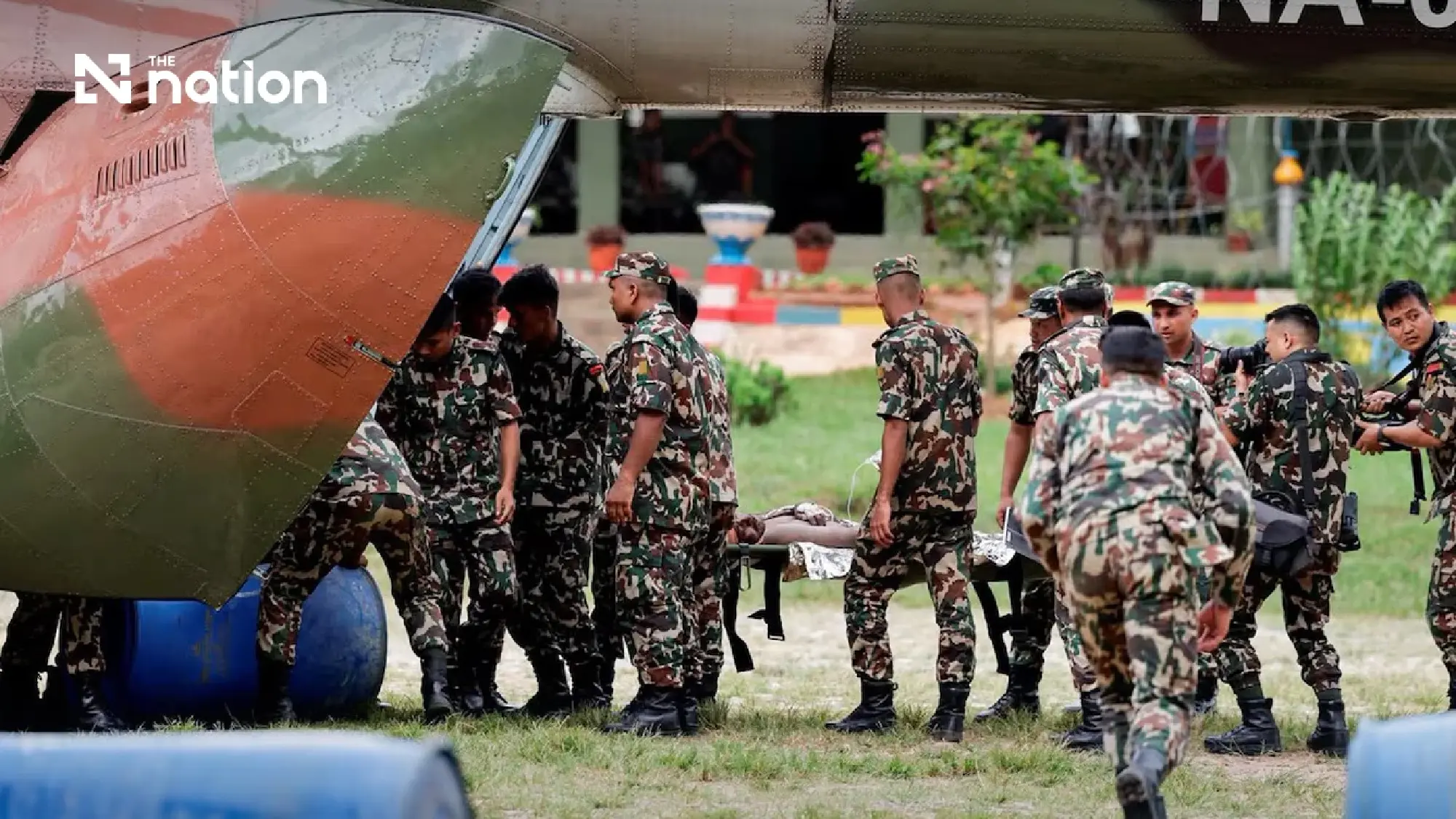
Destroyed roads and communications infrastructure made it difficult for rescue teams to reach remote communities. Electricity remained unavailable across parts of the disaster zone after hydropower facilities were damaged.
Residents from Nuwakot and Dhading gathered outside a Nepalese army training centre being used as a helicopter rescue base, seeking information about missing relatives.
Police recorded the names of missing people outside the barracks, using mobile-phone lights because the area had no electricity.
In Rasuwa, health worker Tula Bahadur BK described widespread devastation, reporting that riverside settlements had been swept away and five members of his family were missing.
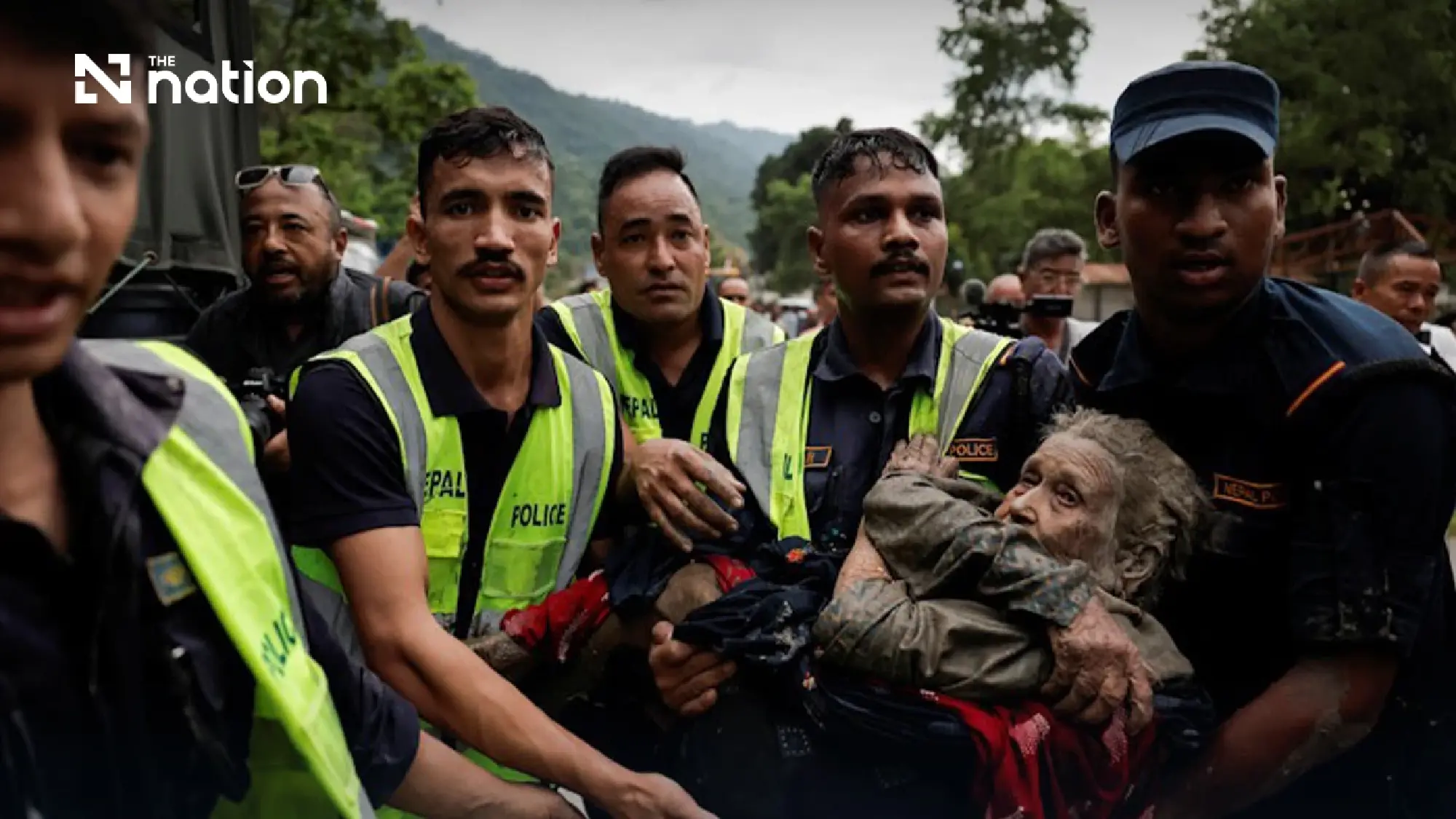
Survivor Keshav Prasad Baral, 68, was taken to hospital after being rescued by helicopter. He recounted trying to pull his wife to safety as mud entered their home, but she was swept away.
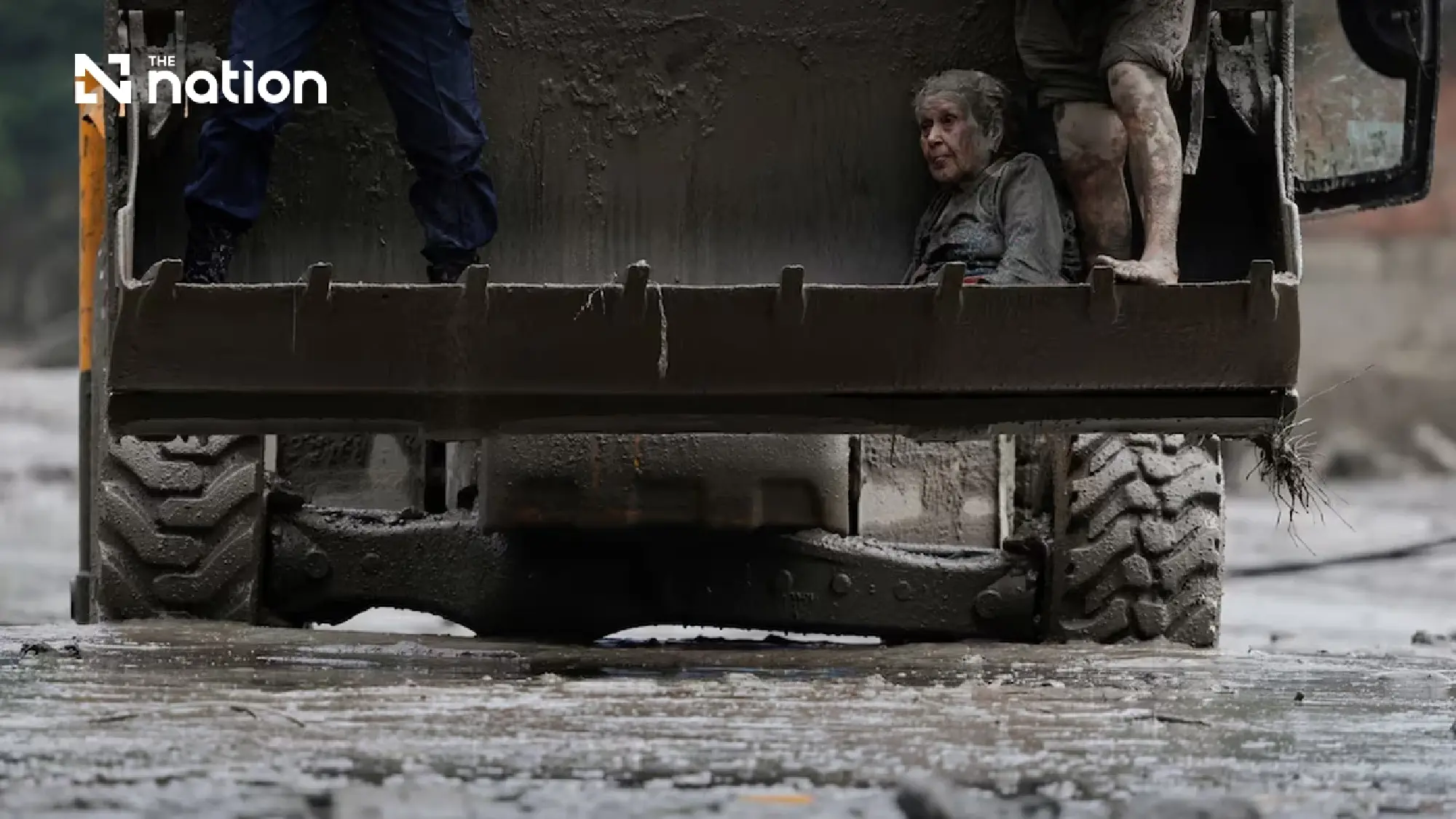
Houses, trees and vehicles remained submerged or buried beneath thick deposits of mud as helicopters searched the area from above.
Ice-rock collapse believed to have triggered flood
An initial assessment of Planet Labs satellite images indicated that a landslide involving glacial ice and rock triggered a debris-filled flood in the Lhende River, approximately 20 kilometres north-east of the Rasuwagadhi border crossing.
Satellite analysis indicated that the lower section of a glacier broke away and plunged about 1,200 metres onto the valley floor, carrying rock and sediment into the river.
Early reports suggested that a magnitude-4.4 earthquake might have triggered the glacier’s collapse. However, the US Geological Survey subsequently concluded that the seismic signal recorded at the time was generated by the collapse of glacial rock and ice and the resulting debris flow, rather than a separate earthquake.
The precise reason the glacier failed has not been established.
Hundreds also missing in Tibet
China reported that three people had been killed and 265 remained missing after the mudslide struck the Gyirong border port in Tibet.
The disaster severed roads, power supplies and communications in the surrounding Shigatse region. A preliminary drone inspection found that roads leading to the border crossing had been destroyed, preventing rescuers from establishing contact with the affected area.
The confirmed death toll across Nepal and Tibet therefore stood at at least 160, with hundreds more missing on both sides of the border.
United Nations teams and partner organisations were mobilising supplies and personnel to support affected communities in Nepal.
The United States, Australia and Canada said they were monitoring the situation involving their citizens, while South Korea prepared assistance for nationals working at a hydropower project in the affected area.
Flood warnings were also issued downstream in the northern Indian states of Uttar Pradesh and Bihar. Authorities in Bihar evacuated about 5,000 people from six districts and planned to move between 10,000 and 12,000 residents if necessary.
Rescue operations remained under way amid fears that inaccessible settlements and the large number of missing people could push the final casualty toll considerably higher.
No Thai casualties reported
Thailand’s Foreign Ministry reported that no Thai nationals had been injured or killed in the floods and landslides.
Jaitai Upakarnitikaset, director-general of the Department of Information and Foreign Ministry spokesperson, said the Royal Thai Embassy in Kathmandu had confirmed extensive damage in Rasuwa, Nuwakot, Dhading, Gorkha and Chitwan. Infrastructure along the Bhote Koshi River had been particularly badly affected, while more than 600 Nepali and foreign nationals remained missing.
Thai nationals affected by the disaster or requiring assistance can contact the embassy’s 24-hour emergency number at +977-9818749944. The ministry and the embassy will continue monitoring the situation closely.
