Four European forests are certified for structured therapy, pairing trained specialists and tailored programmes with conventional medical care
Four European forests have been certified for therapeutic healthcare use: Benediktinerstift Göttweig (Austria), Lahnstein and Bad Nauheim (Germany), and Bussaco National Forest (Portugal).
These certified forests provide structured forest therapy, a form of supportive medical care for various conditions, which is distinct from the general wellness practice of forest bathing.
Activities are conducted by trained therapists or healthcare professionals and are tailored to a patient's specific medical condition and physical capacity.
To achieve certification, a forest must undergo rigorous assessment, meeting standards for its natural environment, accessibility, safety, and the availability of professional therapeutic services.
Four European forests have received international certification for structured therapeutic use, reflecting growing interest in bringing carefully managed natural environments into healthcare and rehabilitation programmes.
The sites are certified by the Germany-based International Certification Office Healing Forest. Portugal’s Bussaco National Forest is the latest addition and the first forest on the Iberian Peninsula to receive the designation.
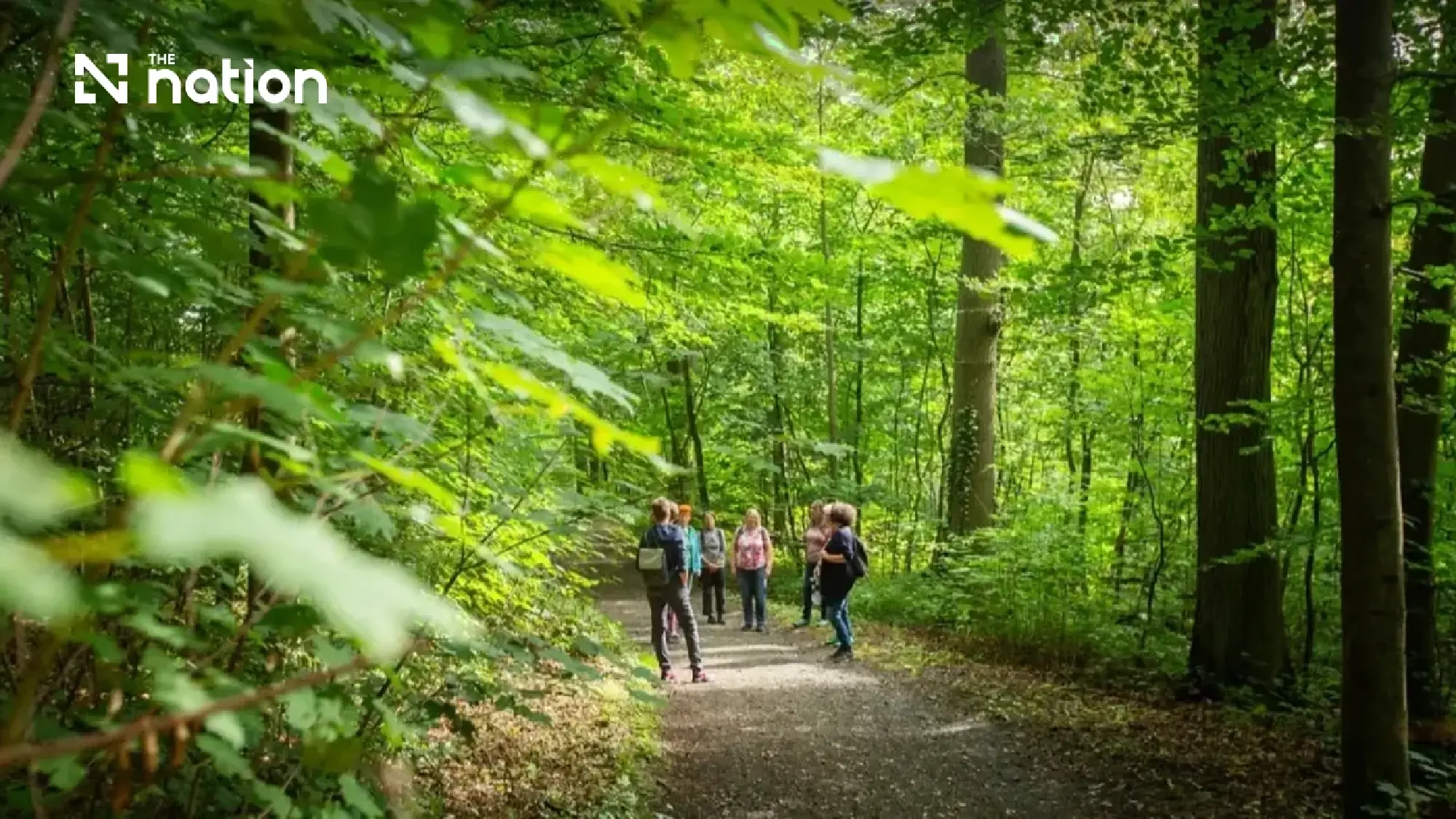
Certified healing forests are intended to support conventional medical care rather than replace it. Activities are conducted by trained forest therapists or other healthcare professionals and are tailored to the patient’s medical condition and physical capacity.
The certification body identifies cardiovascular, respiratory, orthopaedic, psychosomatic and neurological conditions among the areas in which supervised forest therapy may be used as supportive care.
Bussaco joins a group of four
The four forests holding this certification are:
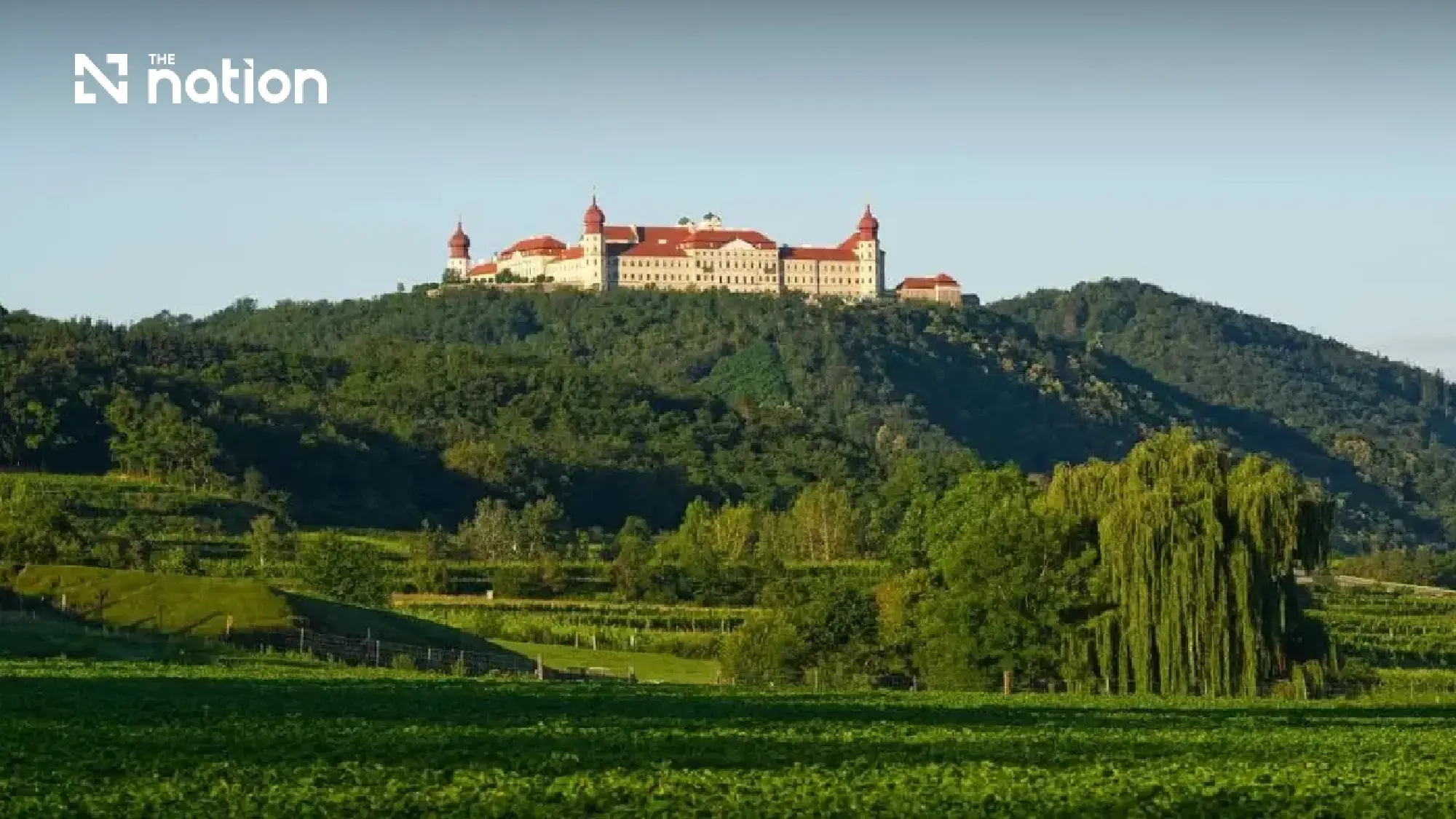
Benediktinerstift Göttweig in Austria
Lahnstein in Germany
Bad Nauheim in Germany
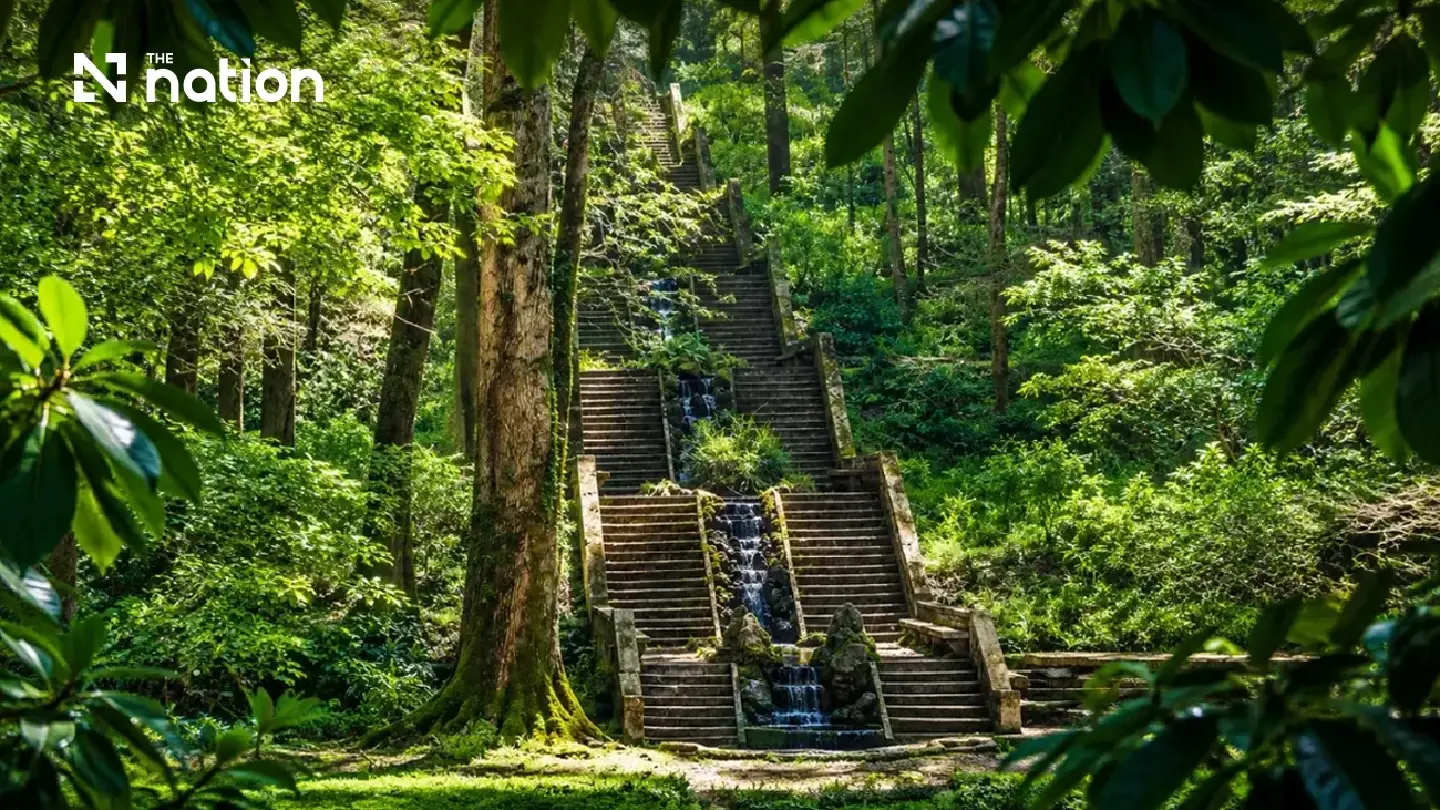
Bussaco National Forest in Portugal
Gonçalo Breda Marques, president of the Mata do Bussaco Foundation, said the certification gave the forest international standing while bringing “great responsibility” for its future management.
He described the designation as an important step in strengthening Portugal’s nature-tourism offering by connecting environmental conservation with health and wellbeing. Bussaco’s certificate remains valid until 2031, when the forest will require reassessment.
Forest therapy is not forest bathing
Forest therapy differs from forest bathing, or shinrin-yoku, the Japanese practice of immersing oneself in a forest environment for relaxation, sensory awareness and general wellbeing.
Forest bathing can be practised independently and does not normally involve a clinical objective.
Forest therapy is more structured, with activities designed around a patient’s condition and conducted under professional supervision.
Research has associated time spent in forests with reduced stress, anxiety and depressive symptoms, along with possible improvements in blood pressure, sleep and some measures of cognitive function.
However, evidence varies between conditions and programmes.
Questions remain over how long the effects last and how frequently therapy should be provided. Forest therapy should therefore be regarded as complementary care, not a substitute for medical diagnosis or treatment.
What certification requires
A forest seeking certification must undergo forestry and medical-therapeutic assessments conducted by independent experts. Minimum requirements include:
A near-natural forest capable of reducing noise and providing visual and wind protection
Walking routes with different difficulty and exertion levels
Regular services delivered by trained forest therapists or other therapeutic professionals
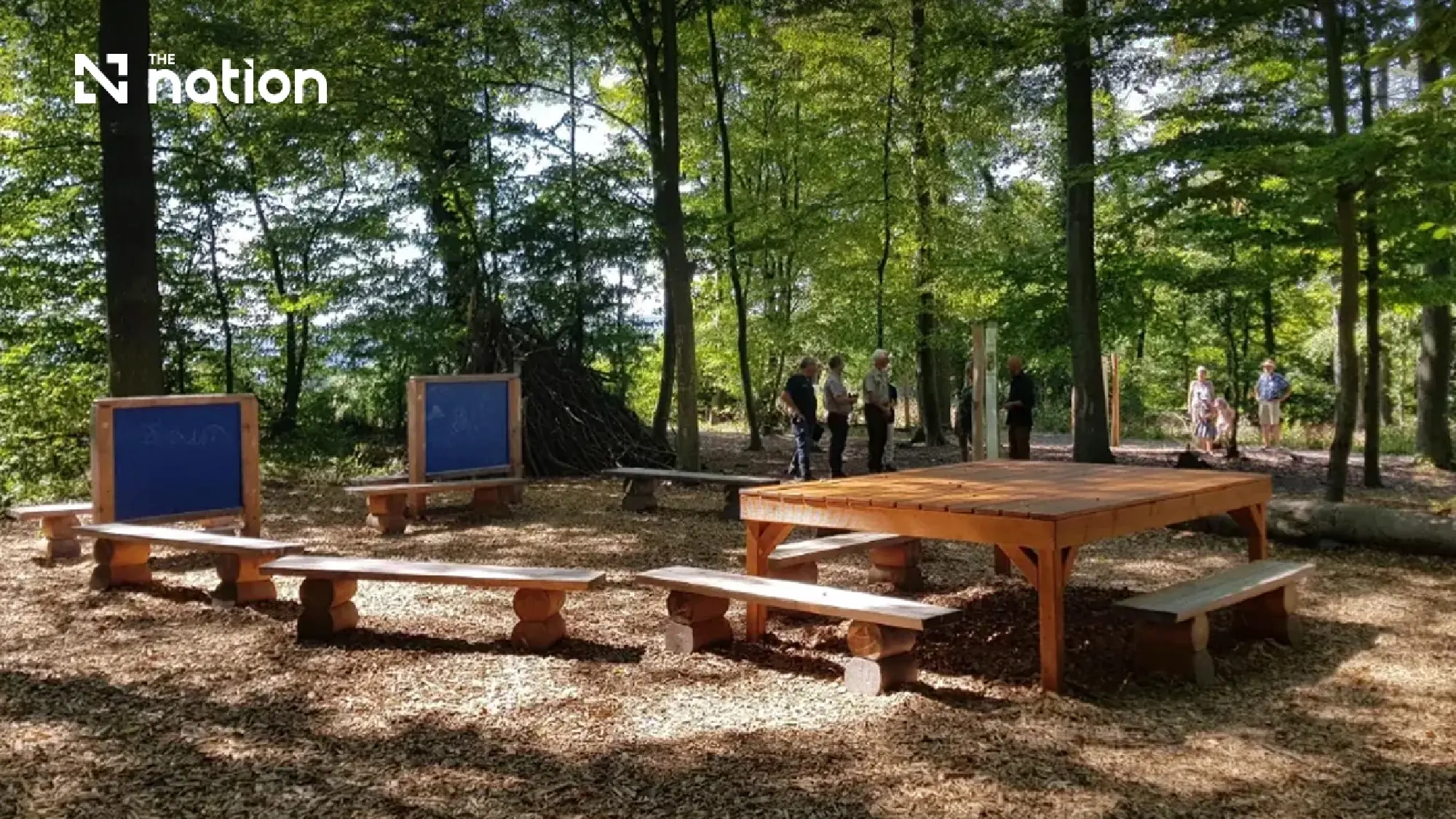
Designated areas for therapeutic activities and relaxation exercises
Infrastructure that supports safety and accessibility for people with different physical abilities
Continuing management to preserve the forest’s ecological and therapeutic qualities
Proximity to a hospital, healthcare centre or rehabilitation facility is considered an advantage, although it is not presented as an absolute requirement.
The woodland should also contain diverse vegetation rather than a single-species plantation.
Quiet surroundings are particularly important, with therapeutic areas expected to be protected from major roads and other sources of disruptive noise.
Conservation remains central
The certification model links therapeutic use with responsibility for long-term conservation.
Jan Schmidt of the International Certification Office Healing Forest has emphasised that forests should not simply be used for their perceived health benefits but must also be actively protected.
The Göttweig Abbey forest illustrates this long-term approach, having been associated with centuries of woodland stewardship.
Dr Anne Rabes, who has worked on the certification process, has said that one forest may support several therapeutic purposes when its management, infrastructure and professional services meet the required standards.
Further independent research, including patient outcomes and comparisons with conventional indoor rehabilitation, will be important in determining how widely forest therapy can be incorporated into healthcare systems.