
Two-thirds of Americans back social media age checks for under-16s
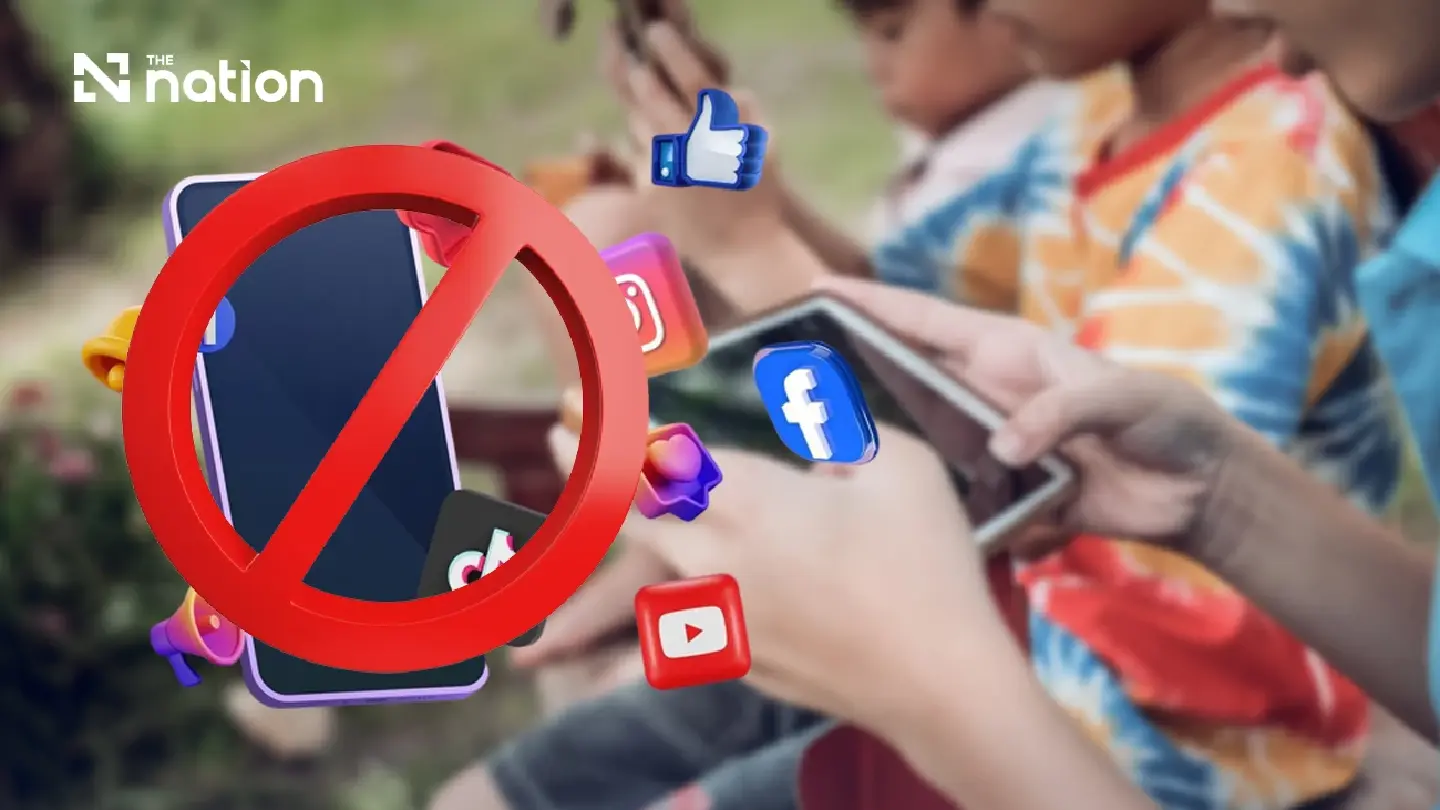


A Reuters/Ipsos poll finds broad US support for tighter social media oversight as governments worldwide restrict children’s access to online platforms.
- A Reuters/Ipsos poll found that 66% of Americans support laws requiring social media companies to use age-verification tools to keep users under 16 off their platforms.
- The support is bipartisan, with 74% of Republicans and 69% of Democrats backing the proposal for mandatory age checks.
- This sentiment is driven by the belief of 85% of Americans that social media can be addictive for children and damaging to their mental health.
A majority of Americans across the political divide support stronger government oversight of social media companies, including age-verification requirements intended to prevent children under 16 from using their platforms.
A Reuters/Ipsos survey of 4,505 adults across the United States, conducted between July 29 and August 3, found that 66% supported legislation requiring social media companies to use age-verification tools to keep under-16s off their platforms.
The findings, published on Sunday (August 9), also showed that 61% believed social media companies needed stricter regulation. Support included 71% of Democrats and 62% of Republicans, indicating broad concern about the influence of online platforms on children and young people.
The poll comes as governments around the world consider tighter age restrictions and other safeguards amid concerns over excessive screen use, potentially addictive platform features and the effects of social media on children’s mental wellbeing.
Republicans show strongest support for age checks
Support for mandatory age verification was highest among Republicans, with 74% backing the proposal, compared with 69% of Democrats.
Support was lower among independent voters, many of whom said they remained uncertain about how social media companies should be regulated.
An overwhelming 85% of Americans believed social media could become addictive for children, while a similarly large proportion said it could damage their mental health.
James Bosserdet, a 60-year-old mechanical engineer from Tennessee who voted for Republican President Donald Trump in the 2024 election, said he generally preferred the government to play a smaller role in Americans’ lives.
However, he regarded restrictions on children’s social media use as an exception.
“Somebody has to do it,” he said, adding that although he did not necessarily want the responsibility to fall to the government, intervention might be necessary.
Congress has yet to pass federal legislation specifically intended to protect children from the potential harms associated with social media.
Meta and YouTube face growing legal pressure
The poll was conducted as major technology companies including Meta Platforms and Google-owned YouTube face increasing legal scrutiny over their treatment of young users.
A trial was expected to begin on Wednesday (August 12) over allegations by state prosecutors that Meta deliberately designed products to encourage compulsive use among children and teenagers.
Meta has denied the allegations and said it could face penalties of as much as US$1.4 trillion if the states prevail.
In a separate ruling on August 6, a New Mexico court ordered Meta to pay US$567 million into a fund supporting teenage mental-health programmes and to change how Facebook and Instagram operate for younger users.
The court found the company responsible for harming children’s wellbeing. Meta has said it plans to appeal the decision.
Technology companies are also facing greater scrutiny from legislators across the United States. More than a dozen states have passed laws regulating young people’s access to social media, arguing that additional safeguards are required to improve online safety.
NetChoice, a trade association supported by companies including Meta, TikTok and Snap, has filed lawsuits seeking to block laws requiring applications to verify users’ ages.
The group argues that such requirements violate constitutional protections for freedom of expression.
Voters from both parties call for government action
Christopher Chen, a 34-year-old Washington, DC, resident who voted for Democratic presidential candidate Kamala Harris in 2024, said social media companies wielded disproportionate influence over teenagers.
He also believed technology companies had too much control over the information and content users were shown on their applications.
Although Chen was uncertain about the precise form regulation should take, he said the government needed to introduce measures to protect the public.
Paula Dick, 73, said social media companies should do more to prevent children from accessing unsuitable material and should face stronger government oversight.
She does not allow her grandchildren to use YouTube while they are in her care, but said they had still found ways to bypass restrictions imposed on their phones by their parents.
Her experience highlights one of the principal challenges facing policymakers: children who are highly familiar with technology may be able to circumvent conventional parental controls and self-declared age limits.
Americans remain divided over their own social media use
Despite their concerns about children’s safety, most Americans said they enjoyed using social media.
About 70% described the time they spent on social media platforms as enjoyable, while only 35% said using them caused stress.
Respondents were more divided over whether they spent excessive amounts of time online. Some 52% acknowledged that they used social media too much each day, while 43% disagreed.
The findings suggest that Americans distinguish between their own enjoyment of social media and the possible risks that the same platforms may pose to children.
Governments worldwide tighten age restrictions
The United States debate forms part of a broader international movement to limit children’s access to social media.
Australia became the first country to introduce a nationwide ban preventing under-16s from holding accounts on major social media platforms. The restrictions took effect on December 10, 2025, and place responsibility on platform operators rather than children or their parents.
The rules cover services including Facebook, Instagram, TikTok, YouTube, Snapchat, X and Reddit. Companies that fail to take reasonable steps to prevent underage accounts may face substantial fines.
France has approved legislation prohibiting children under 15 from accessing social media. The measure is due to take effect on September 1, 2026, with platforms required to introduce approved age-verification systems and close existing accounts belonging to underage users.
The British government has also set out an initial plan to prevent social media companies from offering their services to under-16s. The proposals include rigorous age checks and restrictions on harmful features available to older teenagers.
Malaysia is moving towards enforcing a minimum social media age of 16, supported by identity or age-verification mechanisms. The policy is intended to protect children from harmful content, cyberbullying, fraud and online abuse.
Spain and several other European countries are also considering legislation or age limits of between 14 and 16, reflecting growing international pressure on platforms to assume greater responsibility for young users.
The policy approaches vary, ranging from complete bans and parental-consent requirements to mandatory age checks and restrictions on specific platform features.
However, the Reuters/Ipsos findings indicate that support for stronger action is no longer limited to countries already introducing national bans. A clear majority of Americans now also favour government intervention, even as many continue to enjoy and regularly use social media themselves.
Source: Reuters
