
Thailand launches Jaeng Rath gateway for complaints and cyber threats
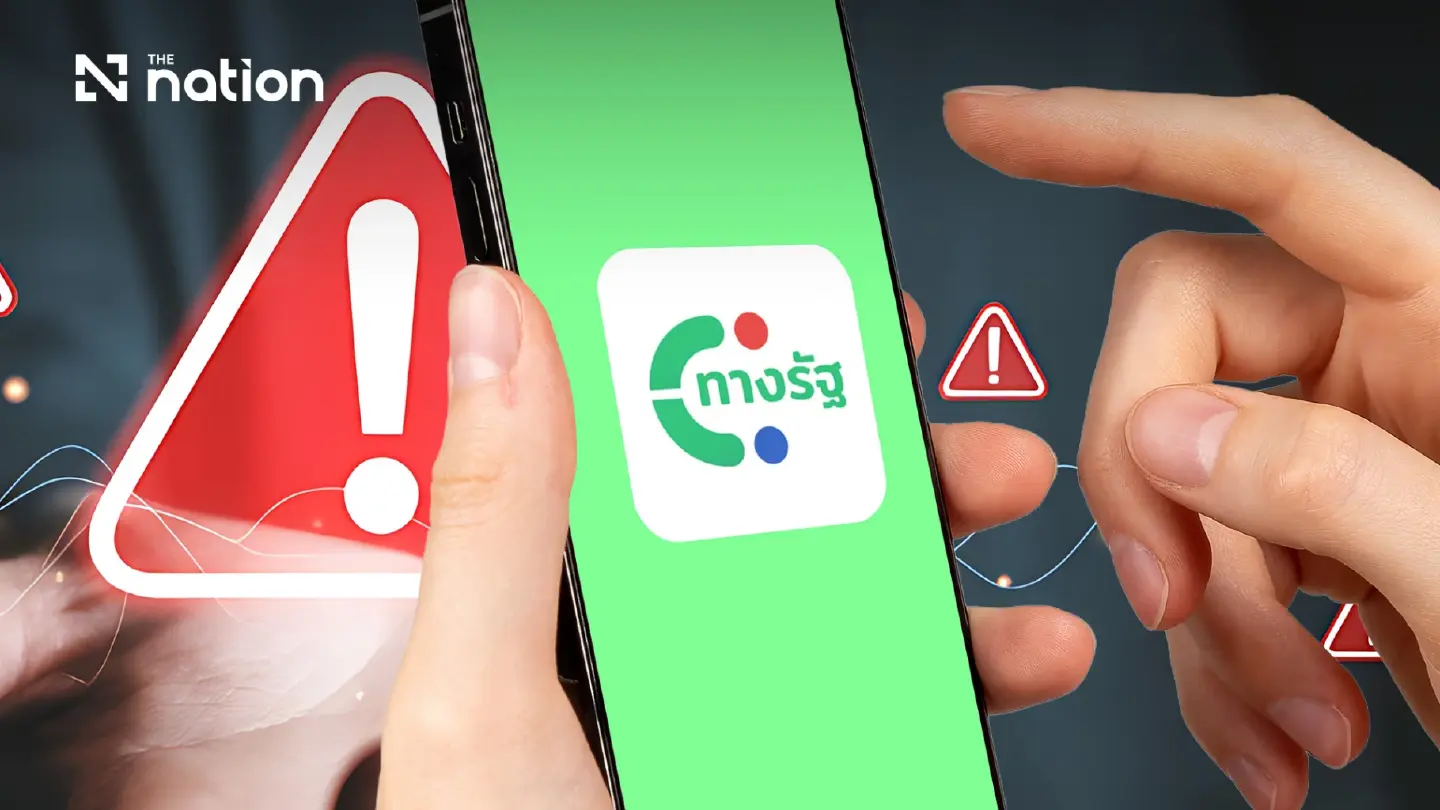


Thailand’s new Jaeng Rath service on the Thang Rath app routes cyber, online and other public complaints to the responsible government agencies.
- Thailand has launched "Jaeng Rath," a new service on the "Thang Rath" app, to serve as a central gateway for reporting public complaints and cyber threats.
- The service simplifies reporting by automatically directing users' issues to the correct government agency, eliminating the need for citizens to know which authority is responsible.
- It connects users to key agencies handling cyber threats like fake websites and accounts, problems with online transactions, and follow-ups on existing cybercrime reports.
- Jaeng Rath is not a new, unified complaint system but rather a central connection point that links to the existing channels of various government bodies.
Thailand has launched “Jaeng Rath”, a new service on the “Thang Rath” app that gives people a single starting point for reporting problems and seeking assistance from government agencies without first having to work out which authority is responsible.
The service connects users with existing reporting channels operated by relevant agencies, covering cyber threats, online transactions, problems involving digital platforms and other public complaints.
Rather than replacing those systems, Jaeng Rath acts as a central gateway that directs each issue to the appropriate authority. This is consistent with the Digital Government Development Agency’s (DGA) official description of the service as one that classifies reported problems and forwards them to responsible agencies.
Jaeng Rath removes uncertainty over where to report problems
Government Spokesperson Rachada Dhnadirek explained that Prime Minister Anutin Charnvirakul has made preventing and tackling online threats affecting the public a priority, with the government seeking to help people protect themselves and gain faster, easier access to state agencies when problems arise.
Online threats now take many forms, ranging from scams that persuade victims to transfer money or invest to the theft or leakage of personal data, fake websites and social media pages, as well as problems involving online purchases and digital platforms.
At the same time, government agencies operate different reporting systems according to their responsibilities, leaving some members of the public unsure where they should begin when seeking help.
The DGA therefore developed Jaeng Rath on the Thang Rath app as a central channel for reporting problems, Rachada said, adding that the Thang Rath app has recorded 49,545,109 cumulative downloads.
How to report a problem through Jaeng Rath
Users can open the Jaeng Rath service, select the type of problem they are facing and provide details of what has happened. The system then directs the case to the reporting channel of the agency responsible for handling it.
Jaeng Rath does not combine every government agency’s complaint system into a single system. Instead, it serves as a central connection point, making it easier for people to reach the appropriate existing channels.
The approach changes the process from requiring people to know “where they need to report a problem” to allowing them to “tell the state about the problem and let the state take it forward”.
Service links users to cyber and online reporting systems
Jaeng Rath currently connects with cyber and online reporting systems operated by three key agencies.
The National Cyber Security Agency (NCSA) handles cyber threats including fake LINE accounts, fraudulent websites, online impersonation and fake Facebook accounts or pages.
The Electronic Transactions Development Agency (ETDA) covers problems involving online buying and selling, illegal websites or pages and issues linked to digital platforms.
The Cyber Crime Investigation Bureau (CCIB) allows users to follow up on cases and provide additional information for complaints that have already been filed online. A later phase is expected to support the reporting of online crime through the service as well.
Beyond online threats, Jaeng Rath also connects people with channels for complaints about government services, violence against children and domestic violence, problems involving homeless people, public disasters classified at Level 3 or above, and matters handled by local administrative organisations.
The government wants more people to be able to begin seeking solutions through a single access point without having to remember the hotline number of each individual agency.
Government plans broader data links to track public problems
In the next phase, reporting systems operated by different agencies are expected to become more extensively connected, giving the government a broader picture of the problems people are facing.
The linked information is intended to show the types of problems, where they occur, how frequently they are reported and whether particular issues are becoming more common.
The government plans to use these data to prioritise problems, formulate responses, monitor results and identify issues that could spread more widely at an earlier stage.
