
Glacier collapse may have triggered Nepal-Tibet floods


Satellite images show part of a glacier falling 1,200 metres into a valley, while more than 400 tourists and 265 people in Tibet remain missing
- Experts believe the catastrophic floods were triggered by the collapse of a Himalayan glacier section, which sent an ice-rock avalanche into a valley near the Nepal-Tibet border.
- The resulting surge of mud and debris killed at least 160 people and left hundreds more missing, including many tourists, in both Nepal and Tibet.
- While the precise cause of the glacier's failure is unconfirmed, a recent earthquake, rapid snowmelt, and local construction are being investigated as possible triggers.
The collapse of the lower section of a Himalayan glacier may have unleashed the ice, rock and sediment that caused catastrophic flooding near Nepal’s border with Tibet, although experts have not established why the glacier failed.
Satellite images indicated that part of the glacier broke away at an altitude of about 5,200 metres before plunging approximately 1,200 metres onto the valley floor on Wednesday (August 26, 2026).
At least 160 people were confirmed dead, comprising 157 in Nepal and three in Tibet. More than 400 tourists were missing in Nepal, including about 340 foreign nationals, while Chinese state broadcaster CCTV reported that 265 people were missing in Gyirong.
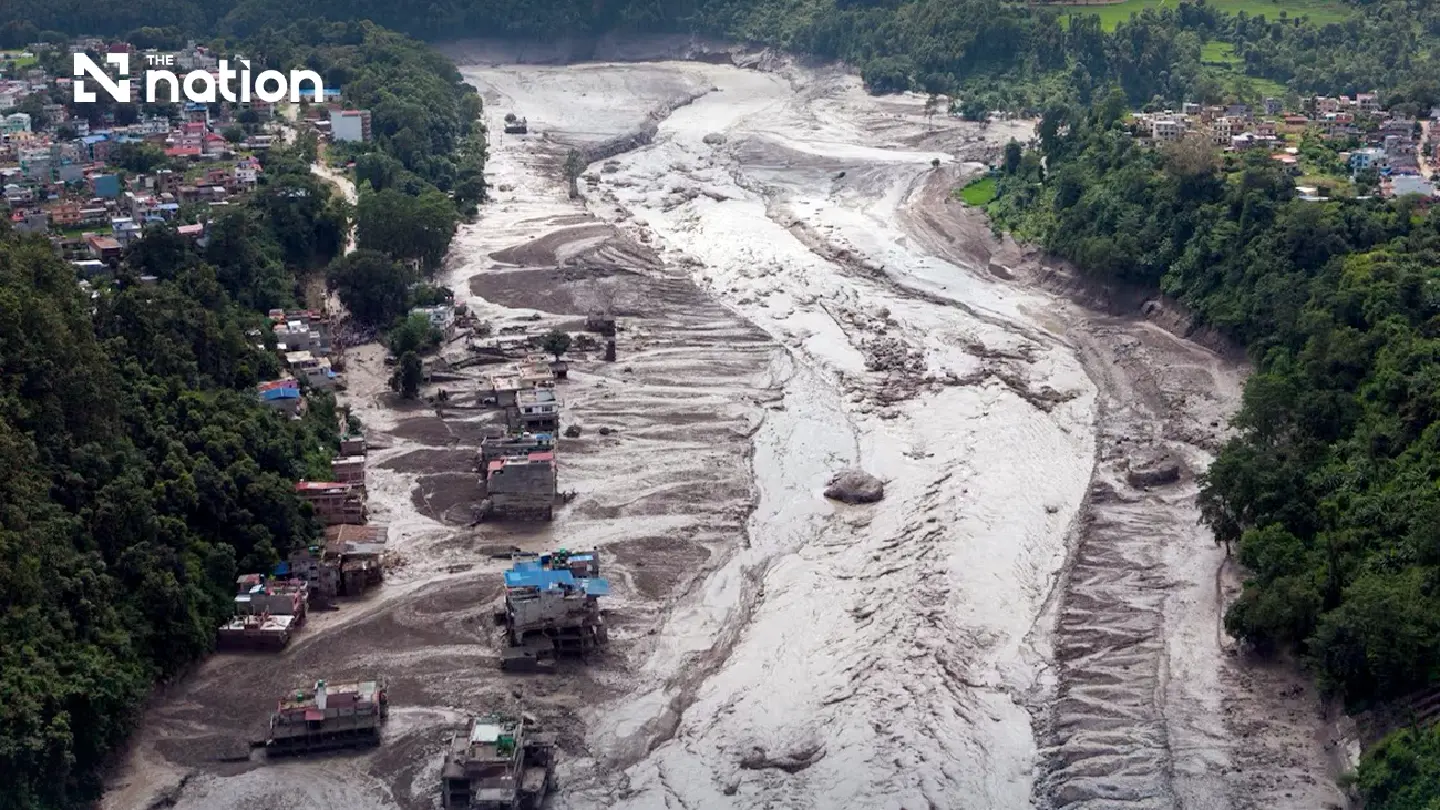
Homes, roads, trees and vehicles were swept away or buried as mud and debris surged through settlements. Authorities on both sides of the border warned that the casualty figures could rise as searches continued.
Satellite images trace ice-rock avalanche
Before-and-after images supplied by Planet Labs showed a previously green mountainside covered by brown debris and sediment after the disaster.
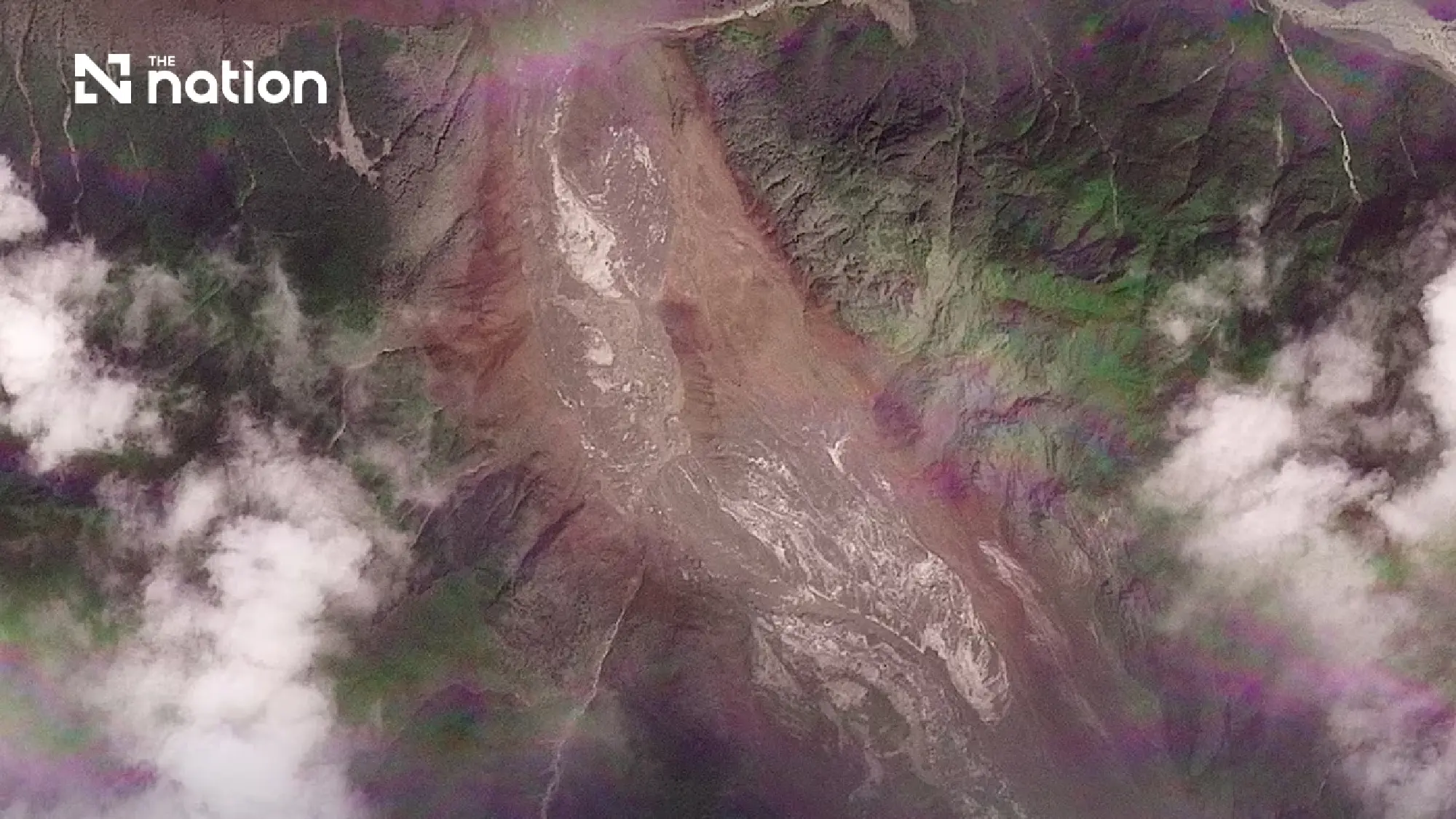
Vikram Gupta, an engineering geology specialist at India’s Sikkim University, concluded from the images that a substantial section of the glacier snout had collapsed, carrying rock and sediment into the valley.
Dan Shugar, an associate professor of earth sciences at the University of Calgary, identified the break at about 5,200 metres and estimated that the ice fell roughly 1,200 metres.
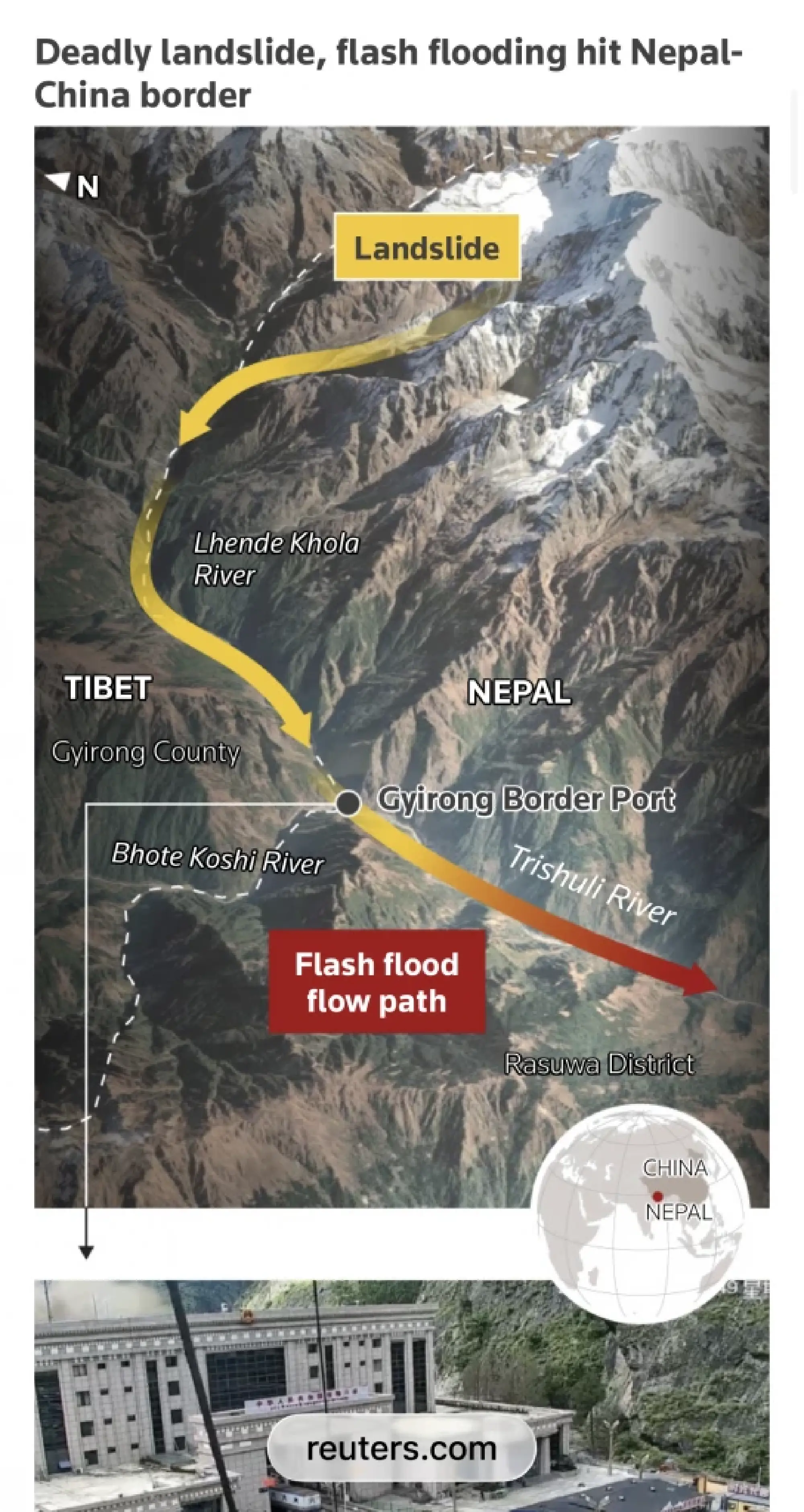
Nepal’s National Disaster Risk Reduction and Management Authority described the event as a “glacier-inclusive flood” in the Lhende River. It located the landslide about 20 kilometres north-east of a Nepal-China border crossing.
Prakash Pokharel, a geologist at the authority who examined the Planet Labs images, said: “The flash floods were caused by an ice-rock avalanche on the Nepali side.”
The International Centre for Integrated Mountain Development reported that the flood drove water, sediment and boulders through the Bhote Koshi and Trishuli river systems. Water at Galchhi downstream reportedly rose by as much as nine metres within 30 minutes.
Cause of glacier failure remains unclear
Nepalese officials initially identified an earthquake recorded shortly before the disaster as a possible trigger for the glacier collapse.
The German Research Centre for Geosciences detected a magnitude 4.4 earthquake approximately seven minutes before the time displayed on surveillance footage from the border. The available evidence had not established whether the earthquake caused the glacier to fail.
Shugar said satellite images appeared to show that substantial snow cover had melted during the preceding 24 hours, leaving glaciers that had been snow-covered largely reduced to bare ice. However, he had not examined weather-station data and could not confirm the role of temperature.
Construction could also have contributed, he said, while any connection between the collapse and climate change would require further investigation.
United Nations figures published in 2023 indicated that Nepal’s mountains had lost almost one-third of their ice in slightly more than 30 years. The country’s glaciers melted 65% faster during the preceding decade than in the decade before it.
The International Centre for Integrated Mountain Development has recorded increasingly frequent and severe floods, landslides, avalanches and droughts across the Hindu Kush Himalayas, alongside accelerating changes to the region’s water, land and air.
Hundreds remain missing
The disaster struck an area on the route to Kailash Manasarovar in Tibet, which attracts hundreds of Hindu pilgrims from India and other countries at this time of year.
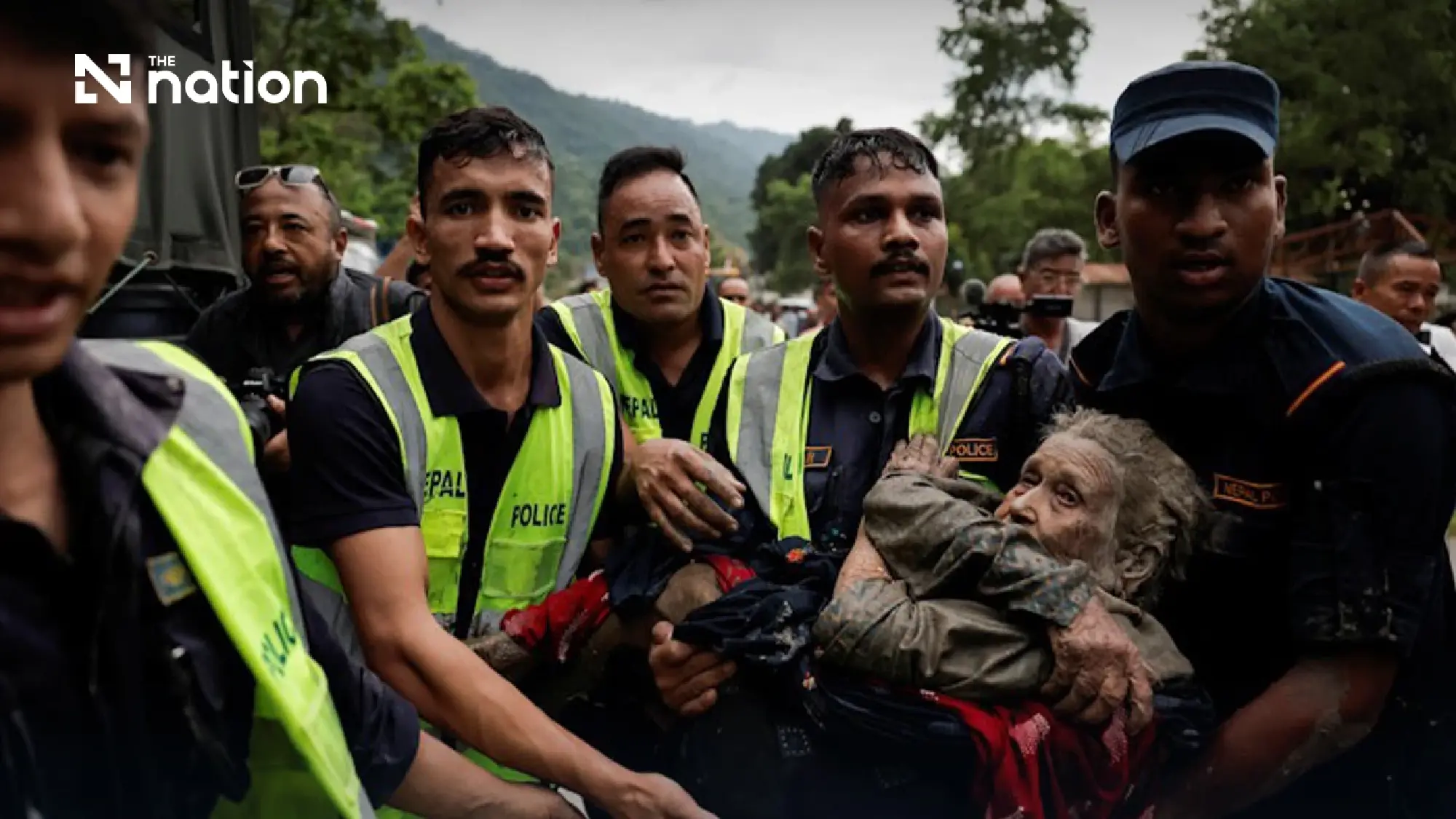
Nepal’s tourism authorities reported that more than 400 tourists were missing, including approximately 340 foreigners. Houses and roads were destroyed as rescue teams searched the mountainous region for survivors.
Security footage from the Chinese side showed people fleeing as rock, mud and water engulfed the Gyirong border crossing, destroying buildings and vehicles.
Verified footage from near Betrawati Bazaar in Rasuwa’s Uttargaya Municipality also captured floodwater, mud and debris rushing down the mountainside and covering part of a settlement.
Search teams continued recovering and identifying bodies as darkness fell. Authorities also warned that a blockage farther upstream could release another flood.
