HYROX Targets Olympic Sport Status Amid Rapid Growth in Thailand


HYROX is looking beyond its rapid growth in Thailand, with the global hybrid fitness brand targeting Olympic sport status while expanding its reach nationwide, a HYROX manager says.
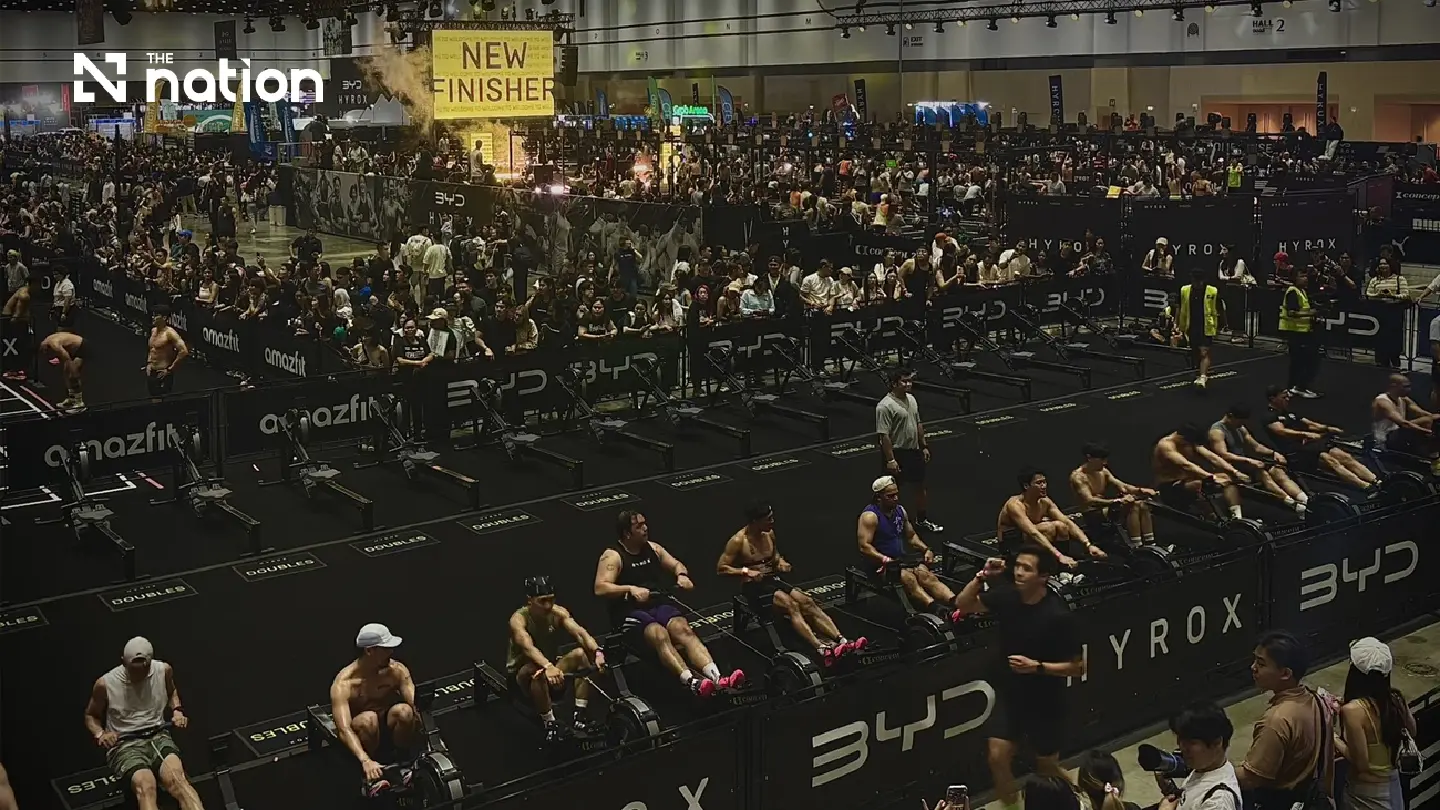
The sport has been gaining momentum in Thailand over the past year, with around 190 HYROX training clubs now operating across the country. As HYROX expands, it is also looking to move into other cities while developing the sport and building its community beyond the race itself.
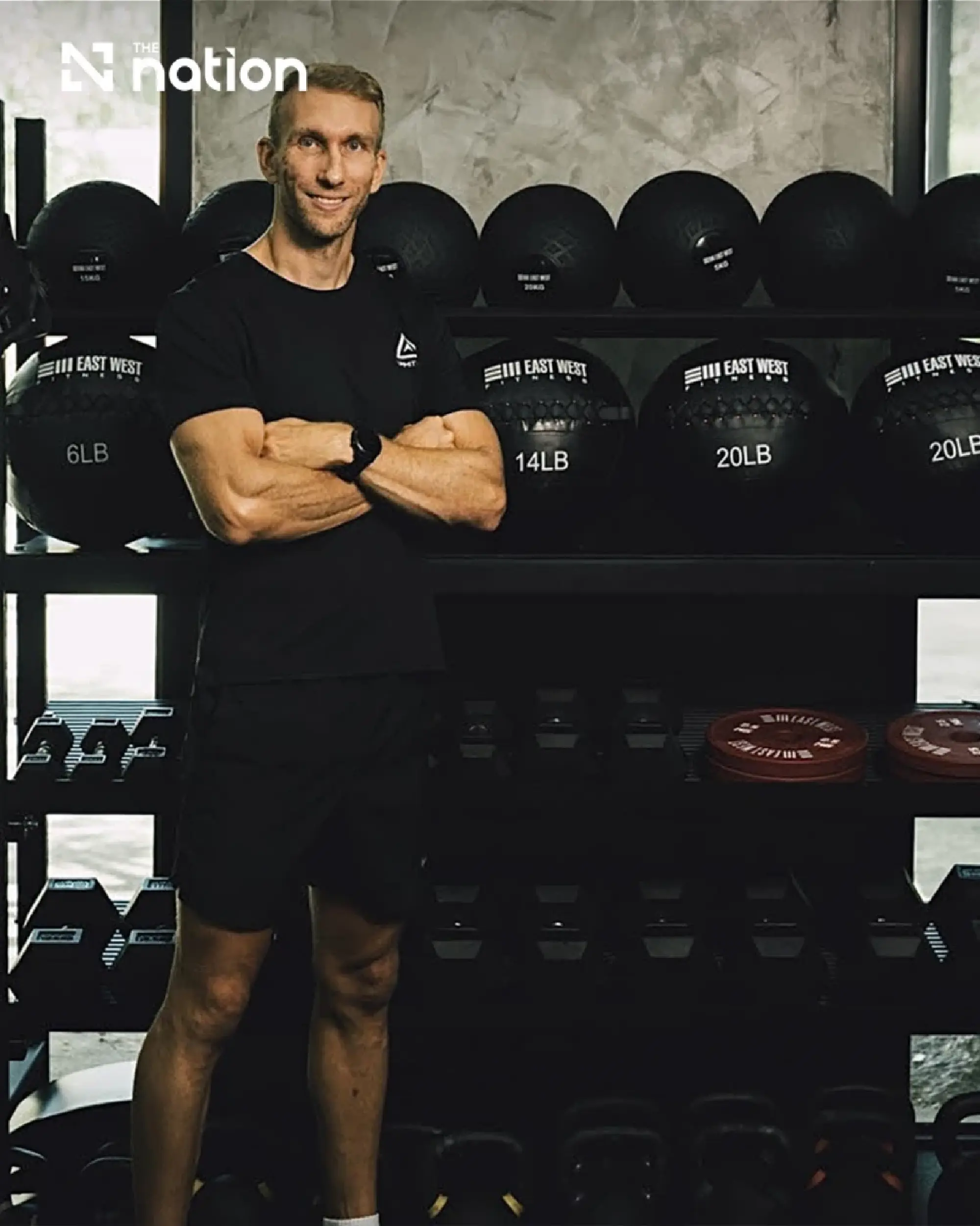
"I think we can expect continued growth. HYROX wants to go to the Olympics, so we’re going to keep growing and becoming more professional as a sport. We have around 190 HYROX training clubs, mostly based in Bangkok, and we’re looking to expand across the country," said Romain Chevalier, Operations Manager (SEA) at HYROX APAC.
As HYROX events attract more participants, the company is looking to bring races to other major cities. Expanding beyond Bangkok, however, presents challenges in finding suitable venues.
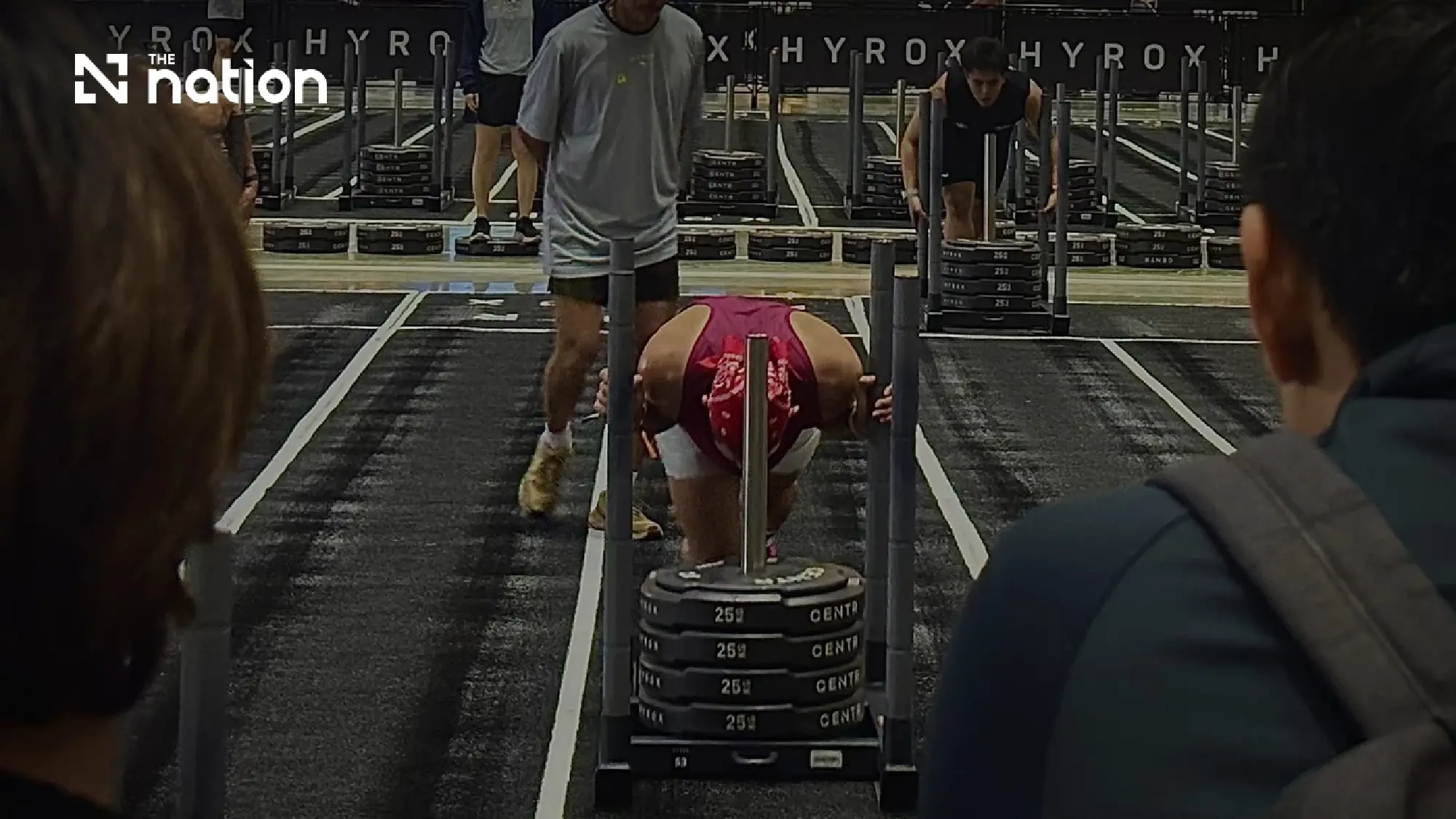
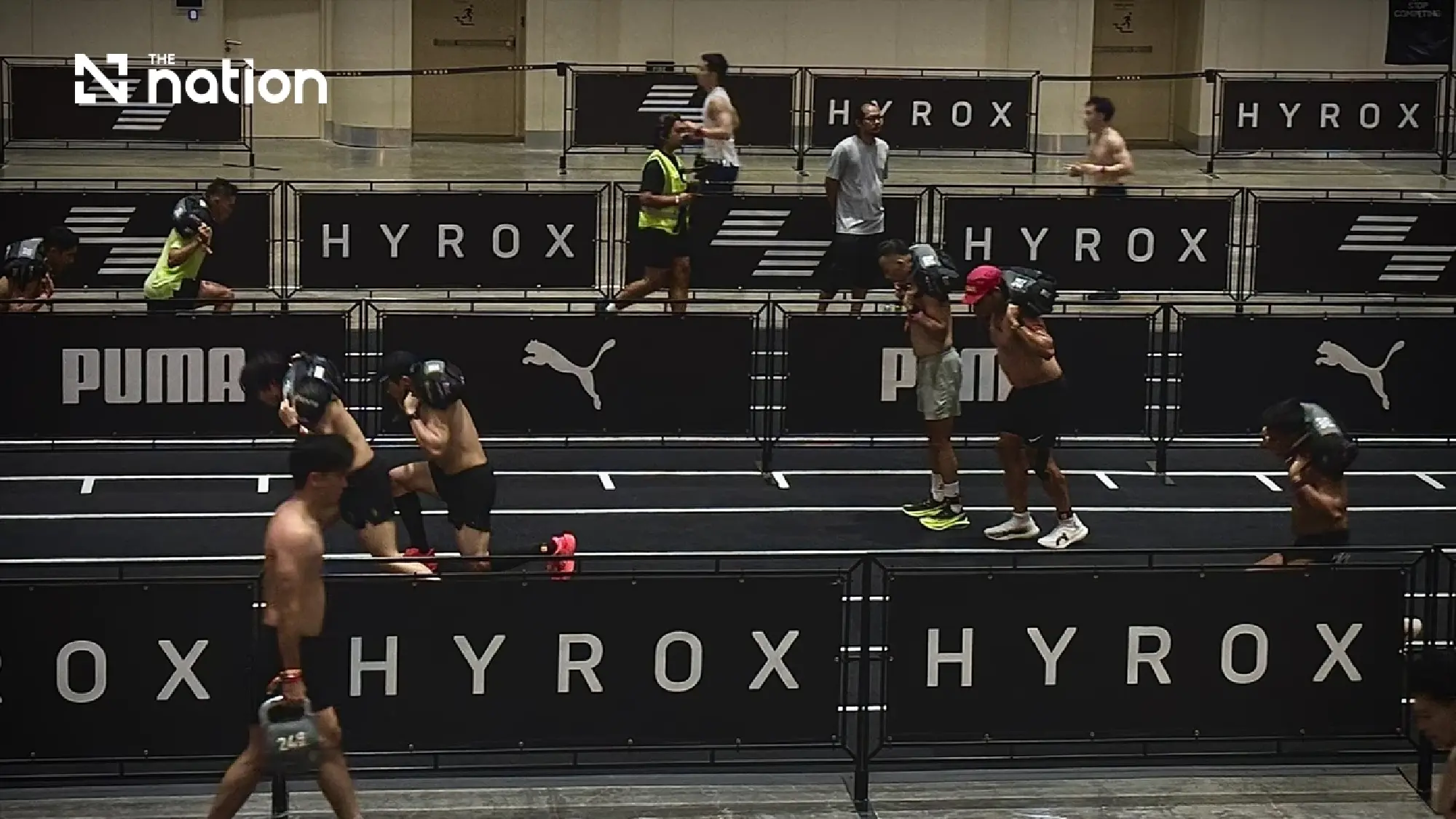
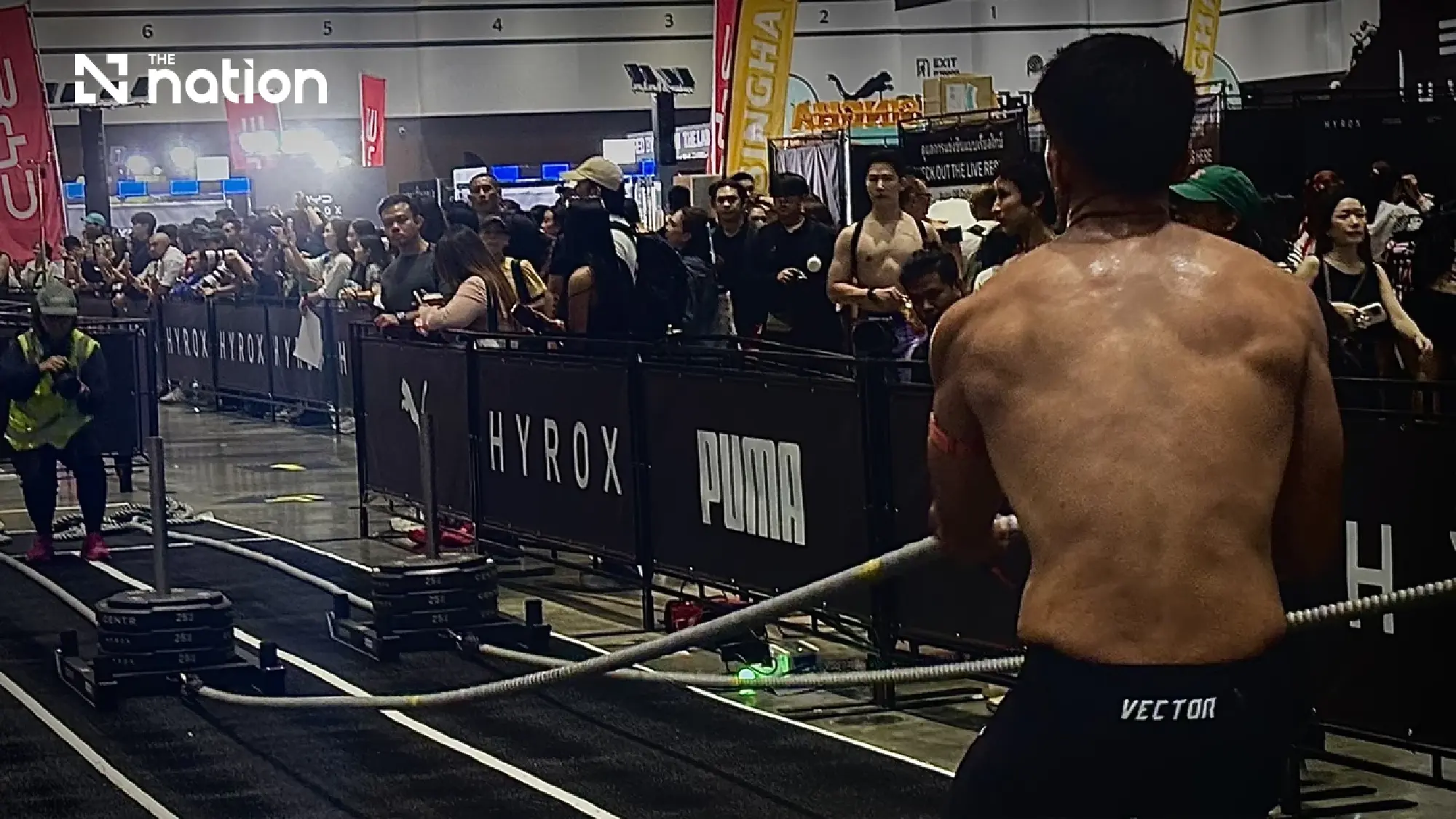
HYROX’s race format requires large venues that can accommodate its standardised course, with eight workout stations alternating with 1km runs, making suitable venues harder to find outside the capital.
Chevalier said HYROX is exploring opportunities to hold events in cities such as Phuket and Chiang Mai. Still, venue availability means Bangkok will remain the main location for the time being. Organisers are also looking to extend the number of racing days to accommodate more racers at future events.
Beyond Competition: Inclusivity and Station 9
HYROX’s events are more than just competitions. The Adaptive Division allows athletes with disabilities to compete at HYROX events, reflecting the sport’s focus on accessibility and participation.
The introduction of Station 9, HYROX’s official afterparty, also reflects the brand’s effort to extend the event experience beyond the finish line.
For a sport that places a strong emphasis on community, the afterparty gives participants another opportunity to connect after completing the race. It also features dedicated recovery areas with ice baths and professional massage services, alongside live music, DJs, drinks and dancing, allowing athletes to recover, socialise and celebrate.
“Party time, that's what we can expect. HYROX is all about community, being together. It's a community-driven sport, so I think we want to expand this experience after the race, having a drink together, sharing the experience of the race, and just being together,” Chevalier added.