
Blue Bottle enters Thai market with two Bangkok cafés
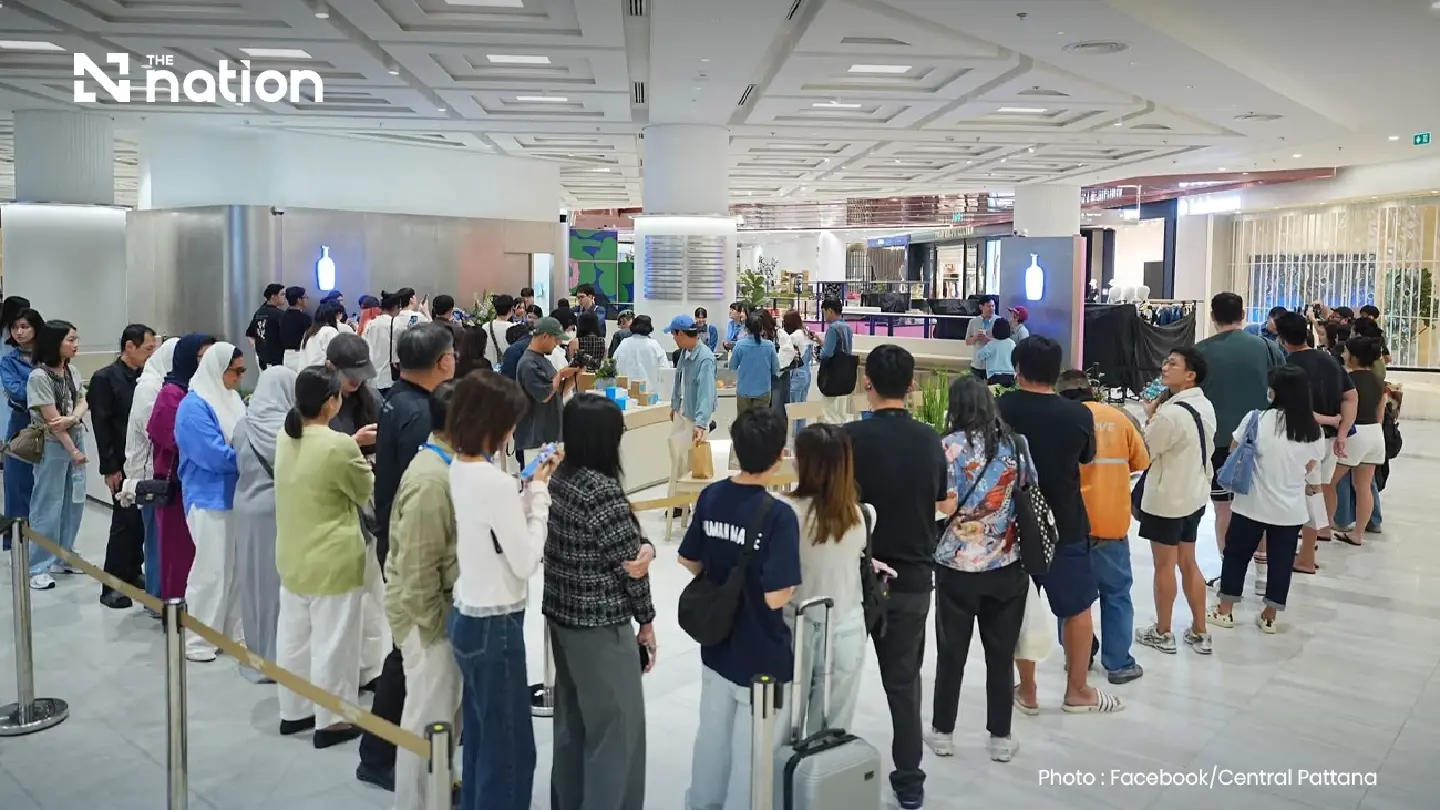


Blue Bottle has opened two Bangkok cafés three days apart as it targets Thailand’s 30-billion-baht speciality coffee market with localised products.
Blue Bottle Coffee has entered Thailand’s estimated 30-billion-baht speciality coffee market with two Bangkok cafés opening three days apart, combining its global craft-focused format with products developed for Thai consumers.
The Oakland-founded brand opened its first Thai location at Central Park on Friday (August 21, 2026), followed by a full-experience flagship at EmQuartier on Monday (August 24).
Thailand is the seventh country in which Blue Bottle has established a presence, following the United States, Japan, South Korea, Hong Kong, China and Singapore. The two-site launch gives the company an immediate presence at major mixed-use retail developments in Bangkok’s Silom–Rama IV and Sukhumvit areas.
A 2025 estimate by the Specialty Coffee Association of Thailand put the country’s speciality coffee segment at about 30 billion baht, equivalent to 46% of an overall coffee market valued at 65 billion baht. The segment was estimated to be expanding by 10–15% annually.
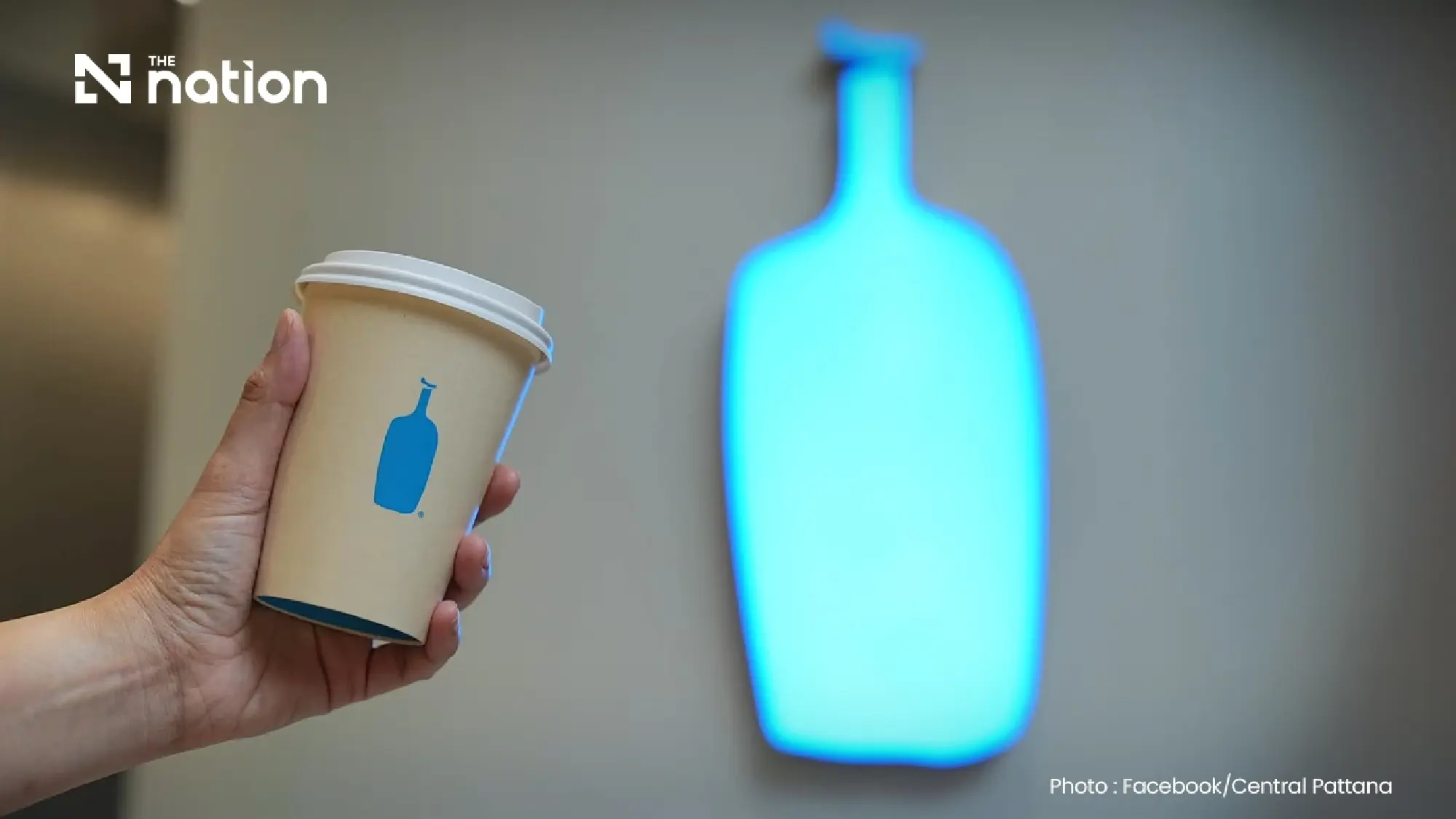
Two cafés establish an immediate Bangkok footprint
Blue Bottle’s first Thailand café occupies more than 130 square metres on the first floor of Central Park at Dusit Central Park.
The location connects a shopping centre with offices, a hotel, residences and green spaces near Lumpini Park, giving the café access to office workers, residents, tourists and other visitors to the mixed-use development.
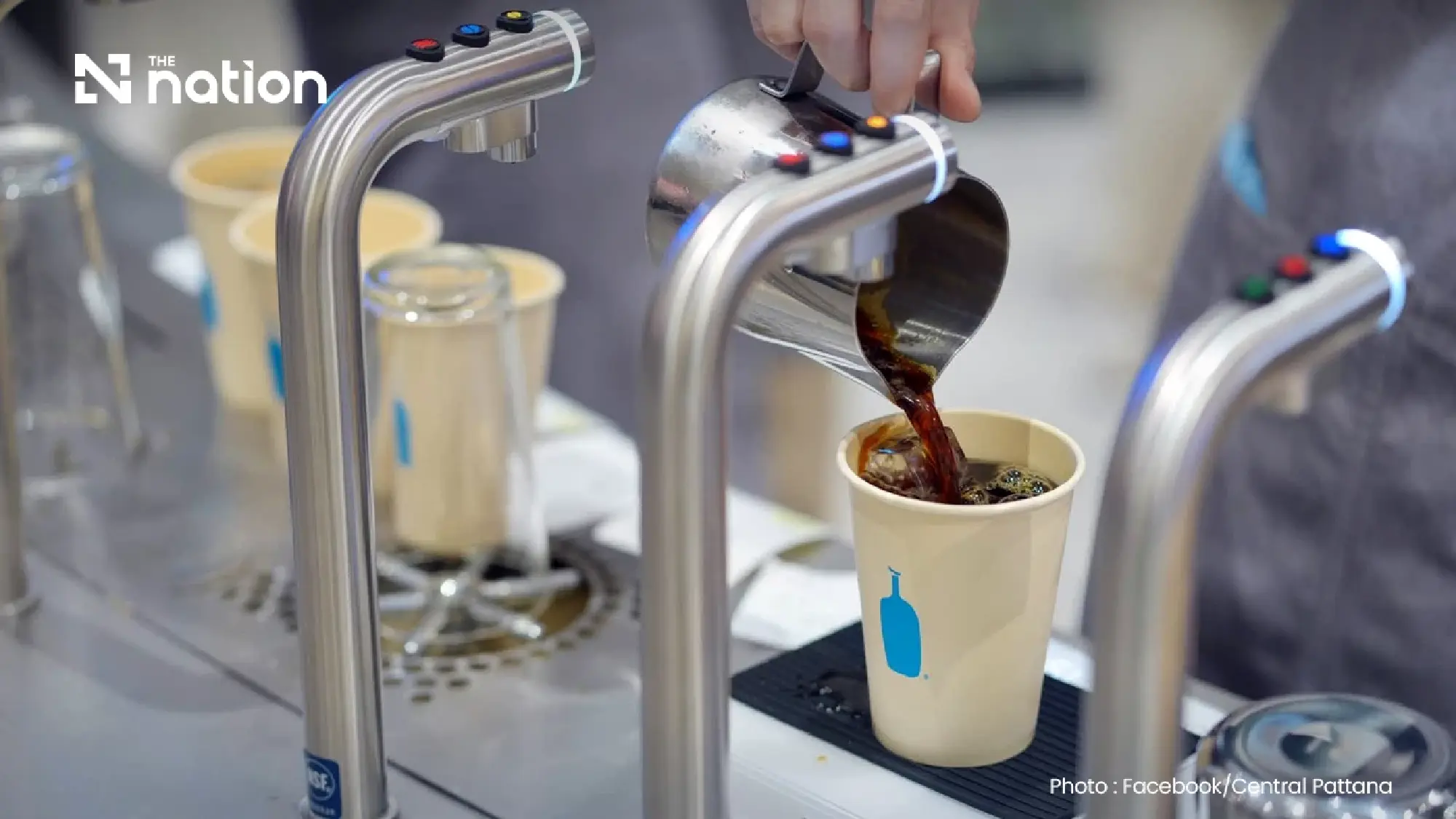
The choice is consistent with Blue Bottle’s practice of adapting individual cafés to their surroundings rather than applying exactly the same store design in every market. Previous locations have incorporated the character of former warehouse districts in Japan and creative neighbourhoods in South Korea.
The EmQuartier outlet operates as Blue Bottle’s first full-experience flagship in Thailand. Opening-day reports described a space of more than 200 square metres with more than 80 seats, a full pour-over bar, hot and cold beverages, merchandise and products available exclusively at that branch.
Global coffee format adapted for Thai consumers
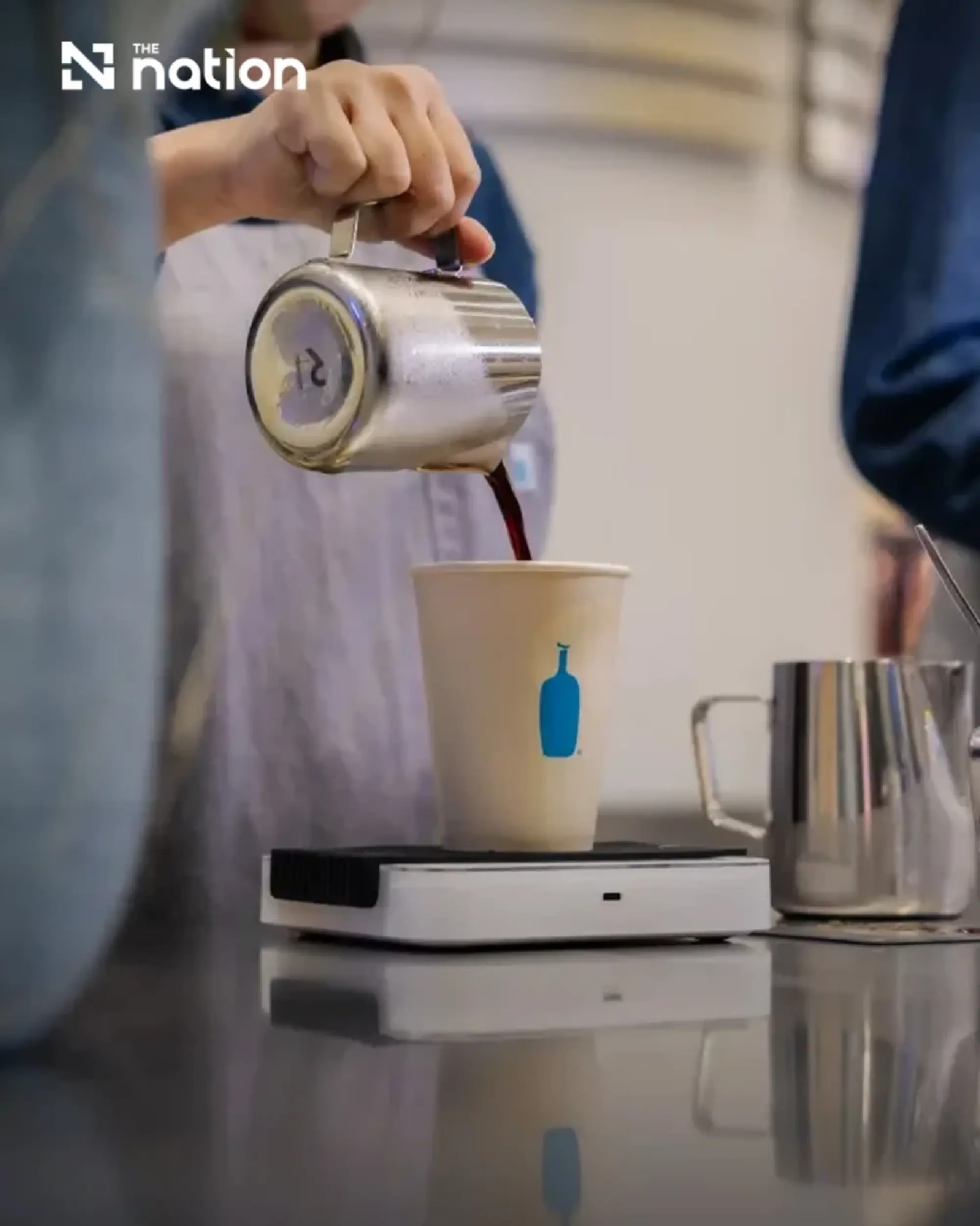
The Central Park café is the first Blue Bottle location in Southeast Asia to feature the full-format, five-head Kyoto Style Espresso Tap Bar.
The system, available at only selected cafés in the United States and Japan, is designed to give baristas greater control over extraction and maintain consistency across drinks.
Blue Bottle has also used local product development to connect its international brand identity with Thai consumer tastes.
The company worked with Grazia, a Thai gelato brand, on desserts including Chocolate Orange Financier, Coconut Mango Madeleine and Slow Bake Egg Tart.
The menu also includes NOLA, Blue Bottle’s New Orleans-style iced coffee. The drink combines cold-brew coffee with milk, organic cane sugar and roasted chicory root, which contributes roasted, nutty and chocolate-like notes.
These additions allow the company to retain signature drinks and brewing methods while offering products developed specifically for its new market. The approach differs from introducing an entirely standardised overseas café format without local collaboration.
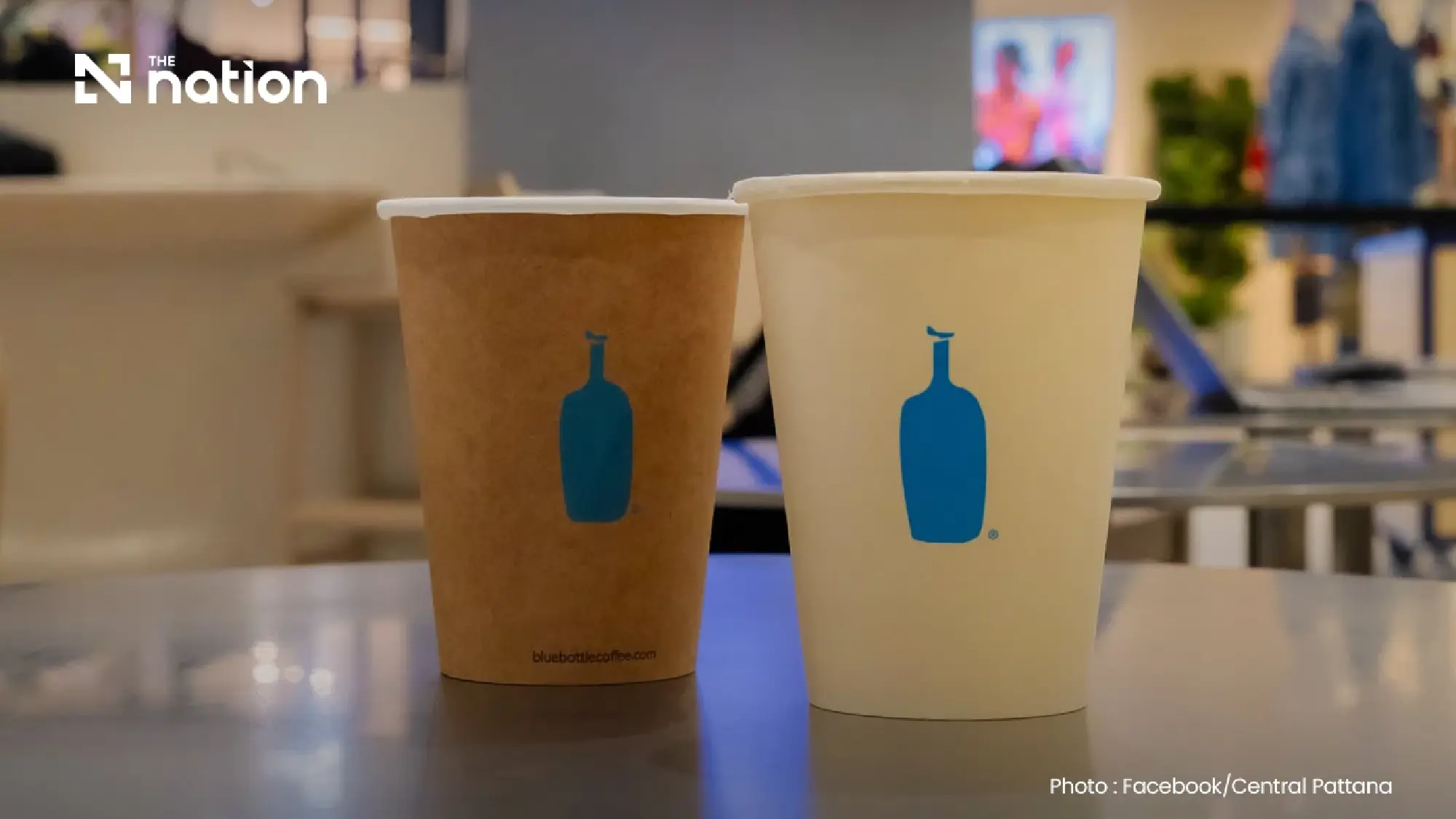
Freshness and preparation underpin the brand model
Blue Bottle was founded in Oakland, California, by James Freeman, a former professional musician who began the business in 2002 with personal savings of about US$20,000 and a single coffee roaster.
Freeman initially sold roasted beans from a small cart at the Old Oakland Farmers Market. The operation later developed into a network of cafés spanning the United States and Asia.
The brand built its identity around serving coffee while it was still fresh, with attention given to bean selection, roasting dates, brewing methods and extraction.
Pour-over coffee became a central part of that model. The method takes longer than automated preparation and depends on the barista controlling factors such as the amount of coffee, water flow and extraction time.
Blue Bottle has consequently positioned the café visit as part of the product, rather than treating the store solely as a point for rapid beverage collection. Its official company history describes an approach centred on patience, precision and hospitality.
The company’s name was inspired by Hof zur Blauen Flasche, or the House Under the Blue Bottle, a historic Viennese coffee house associated with a story dating to 1683.
Thai launch material puts Blue Bottle’s current network at more than 140 outlets worldwide. The company operates across the United States and Asian markets including Japan, South Korea, China, Hong Kong, Singapore and now Thailand.
Thailand launch follows ownership transition
Blue Bottle’s international expansion has been accompanied by two major changes in ownership.
Nestlé acquired a 68% majority stake in the company in 2017 for about US$425 million, valuing the business at more than US$700 million at the time.
In April 2026, Nestlé confirmed an agreement to sell Blue Bottle to Centurium Capital, a Chinese private-equity company and the controlling shareholder of Luckin Coffee.
Nestlé did not disclose the financial terms. Earlier media reports valued the transaction at less than US$400 million, rather than the approximate US$400-million price presented as confirmed in some accounts.
The announced transaction included Blue Bottle’s cafés and most of its consumer-packaged-goods operation, while Nestlé retained rights to Blue Bottle-branded single-serve Nespresso capsules.
Centurium’s ownership interest in both Blue Bottle and Luckin places the companies under the same investment umbrella, but no merger between the two coffee brands has been announced and they continue to operate separately.
Source: Thansettakij
